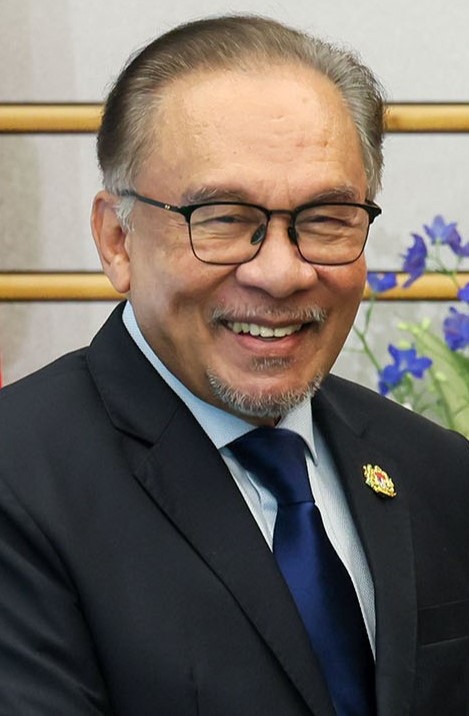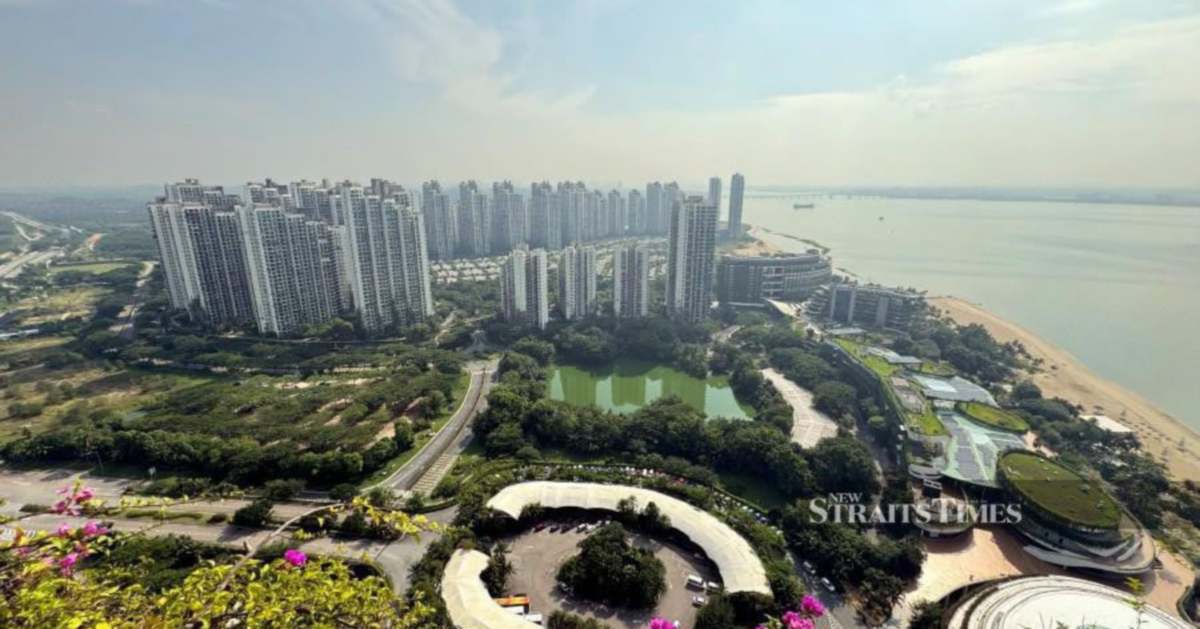
Pakatan Harapan has pushed back forcefully against narratives suggesting Johor has suffered from reduced federal attention, instead pointing to substantial development spending directed toward the southern state under Prime Minister Datuk Seri Anwar Ibrahim's government. The coalition's defence of its record in Johor, delivered during a political event in Tangkak, represents an attempt to address mounting criticism from opposition figures who have claimed the state receives inadequate investment relative to its economic importance and population.
The specific figure of RM14.6 billion in allocations represents a significant commitment to infrastructure, economic development, and social programmes across Johor during the current administration's tenure. This quantum of funding, which encompasses multiple sectors and development initiatives, forms the centrepiece of PH's argument that the federal government has maintained robust support for the state despite the political complexities surrounding Johor's governance structure. The assertion carries particular weight given Johor's status as one of Malaysia's most economically dynamic states and its strategic location along major regional trade routes.
The defence comes at a time when political tensions in Johor have been heightened by questions about resource distribution and federal-state cooperation. Opposition parties have leveraged concerns about development parity to question whether the ruling coalition has equitably distributed public investment across all states. For Malaysian observers tracking federal spending patterns, the question of how development allocations are determined and distributed across states remains a recurring point of political contention, with different coalitions offering competing narratives about their fiscal stewardship.
Johor's unique political position has shaped these discussions considerably. As a state with historical significance and substantial economic output, including major ports, manufacturing facilities, and agricultural sectors, the allocation of development resources to Johor carries symbolic and practical importance. PH's emphasis on the RM14.6 billion figure suggests the party recognises the political necessity of demonstrating commitment to the state's advancement, particularly among voters who might be persuaded by claims of regional neglect.
The timing of these statements typically coincides with broader PH efforts to consolidate support and counter opposition messaging ahead of electoral cycles. By quantifying federal investment, the coalition attempts to move discussion away from subjective perceptions of neglect toward concrete figures that can be cited repeatedly in political discourse. This approach reflects a common strategy across Southeast Asian politics, where development spending figures become key ammunition in the battle for voter confidence.
For Johor residents and stakeholders, the distinction between headline allocations and actual project delivery on the ground remains crucial. Development budgets announced at state level often translate into varied outcomes depending on implementation capacity, project scope, and local prioritisation. Understanding what the RM14.6 billion specifically covers—whether it includes infrastructure, education, healthcare, economic development, or subsidies—requires closer examination of the breakdown and project timelines.
The southern state's relationship with the federal government has historically involved complex negotiations around revenue sharing and development priorities. Johor's reliance on rubber, palm oil, manufacturing, and port operations means federal policies affecting trade, taxation, and infrastructure investment directly impact regional prosperity. The state's large population and strategic importance to Malaysia's overall economic performance heighten the stakes of any perceived funding disparities.
PH's rebuttal also reflects broader dynamics within Malaysian federalism, where state governments controlled by different coalitions frequently dispute whether they receive fair treatment from federal administrations. These claims and counter-claims about allocation fairness have become standard features of Malaysian political discourse, though independent verification of comparative spending patterns across different administrations remains challenging due to variations in accounting methodologies and the complexity of tracing funding flows.
The defence statement represents PH's acknowledgment that perceptions of regional neglect, regardless of their factual basis, carry political consequences. In competitive electoral environments, voter sentiment about whether their state receives adequate investment can significantly influence voting patterns. The coalition's decision to actively defend its record in Johor suggests the party takes seriously the risk that opposition messaging about inadequate development could erode support in critical constituencies.
Looking forward, the credibility of these assertions may depend partly on visible project completion and tangible improvements in Johor's infrastructure, services, and economic opportunities. Voters typically evaluate claims about development spending through the lens of observable changes in their communities, making project execution as important as budget announcements. The RM14.6 billion figure will likely resurface repeatedly in political campaigns, serving as a rhetorical anchor point in debates about federal government performance and regional equity.
For Malaysian policymakers and observers, these exchanges underscore the enduring importance of transparent, comparative analysis of development spending across states and over time. Such analysis, preferably conducted by independent research institutions, would help separate political claims from verifiable patterns, ultimately serving the broader public interest in understanding how public resources are deployed to support regional development and economic growth throughout the country.