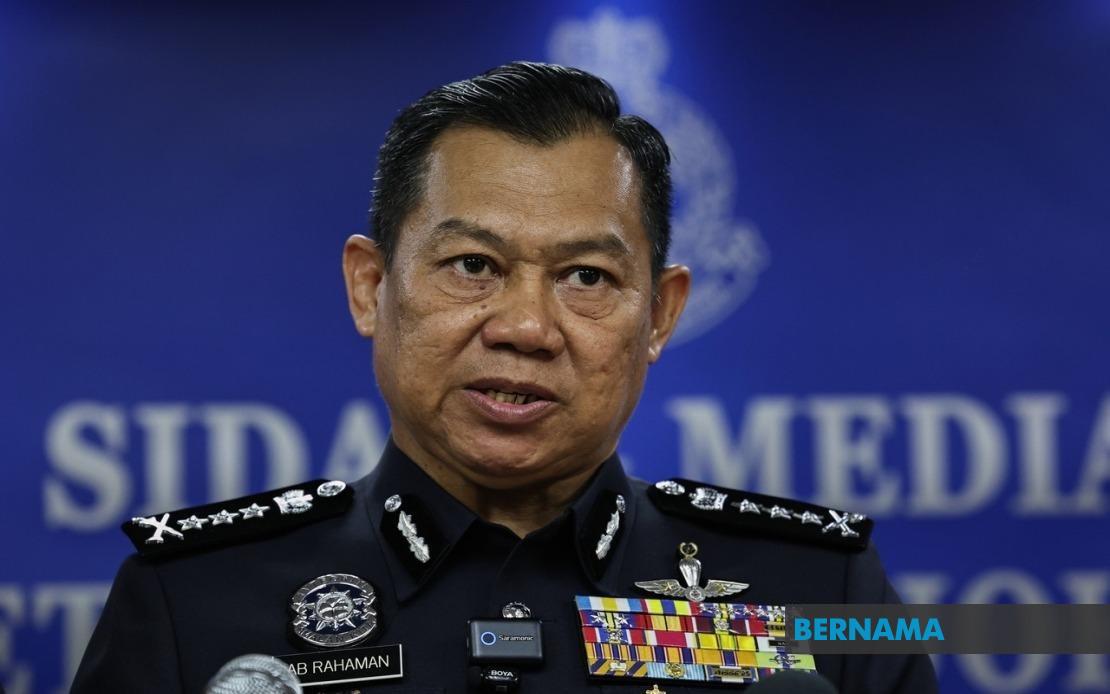
The Johor police force has given the green light to the vast majority of campaign activity permits submitted for the 16th state election, approving 4,053 applications from a total of 4,368 requests filed between late June and early July. The high approval rate underscores the relative smooth passage of the electoral process in the southern state, though investigators have simultaneously opened several cases into alleged breaches of election law and public order regulations.
Datek Ab Rahaman Arsad, the Johor police chief, revealed that the final two days of the approval window proved particularly busy, with authorities processing 884 fresh applications on July 7 and 8 alone. Of these late submissions, 838 received approval after police verified they met all mandatory requirements. The rapid turnaround during this final sprint suggests that campaign organisers were working against tight deadlines to secure clearance for their scheduled political activities, a common occurrence during compressed election cycles when numerous parties and candidates need to coordinate public events.
The state constabulary maintained close oversight of the entire campaign landscape to ensure compliance with electoral legislation and safeguard community stability. Ab Rahaman emphasised that every political gathering, speech, and campaign initiative fell under police scrutiny from inception through execution, with authorities checking that activities did not violate any statutes or create conditions that might destabilise the social environment. This level of monitoring is routine during election periods across Malaysia, where police have statutory obligations to balance freedom of political expression with maintenance of law and order.
During the same seven-day approval period, investigators opened four formal cases into suspected election offences, signalling that not all campaign activity proceeded within legal bounds. One investigation was initiated under Section 4A(1) of the Election Offences Act 1954, which addresses alleged attempts to provoke animosity or discord between population groups, a provision frequently used to prosecute inflammatory rhetoric or divisive messaging during electoral contests. Such charges carry serious implications, as they touch on the electoral commission's core mandate to prevent campaigns from exacerbating communal tensions.
Two additional cases were mounted under provisions addressing alleged defamation and unauthorised use of digital communications infrastructure. These investigations, conducted under Section 500 of the Penal Code and Section 233 of the Communications and Multimedia Act 1998, reflect the modern dimension of election law enforcement, where social media posts and online platforms increasingly become flashpoints for legal action. Digital communications have transformed electioneering in Malaysia, making it easier for candidates to reach audiences but also creating new avenues for potential misconduct that authorities must police vigilantly.
A fourth investigation focused on alleged destruction or damage to property during campaign activities, charges filed under Section 427 of the Penal Code. These cases typically involve vandalism of campaign materials, defacement of rival billboards, or similar incidents that occur when political competition becomes contentious. The opening of such investigations suggests that some election activities may have crossed into territory marked by physical confrontation or destructive conduct, issues that police prioritise closely during electoral periods.
Across the entire monitoring window from June 27 through July 8, police recorded a cumulative total of 73 election-related reports and opened 22 investigation files into suspected offences. This broader tally indicates that while the vast majority of campaign activities proceeded smoothly, a meaningful minority of participants breached regulations or crossed legal lines. The ratio of reports to formal investigations suggests that police exercised discretion in determining which complaints warranted formal prosecution versus advisory warnings or informal resolution.
Ab Rahaman signalled that his force would pursue all violations with rigour while maintaining equity and transparency in enforcement. The police chief's public commitment to handle breaches "fairly and with integrity, without compromise" reflects broader institutional messaging about elections in Malaysia, where authorities consistently underline their neutrality and commitment to impartial law enforcement across all parties and candidates. Such declarations carry weight in establishing public confidence in the electoral process and police credibility.
For Malaysian observers and international election monitors, the Johor campaign's trajectory provides insights into how state-level elections are administered in Malaysia's federal structure. The approval rates and investigation patterns suggest a system functioning within normal parameters, with established permit mechanisms allowing broad campaign participation while law enforcement maintains baseline oversight. The relatively modest number of offences investigated—roughly five percent of total permit applications—suggests that the legal framework and police enforcement strike a reasonable equilibrium between permissiveness and order.
The campaign phase also illustrates how Malaysian elections intersect with digital-age governance, where social media violations and online misconduct increasingly feature alongside traditional electoral offences. Police investigations into communications and multimedia violations reflect this contemporary reality, positioning Johor's enforcement approach within broader trends affecting electoral law across Southeast Asia. As campaigns become more digitised, election-related investigations increasingly target online conduct, a pattern evident in the cases opened during this campaign period.
Looking ahead, the approval figures and investigation counts suggest that subsequent phases of the Johor election are likely to proceed under similar conditions—predominantly compliant campaign activities supported by targeted law enforcement against identified breaches. The police force's monitoring capacity will remain central to managing the campaign environment, with permit approvals enabling political participation while investigations provide corrective mechanisms against serious violations. This balance reflects how Malaysia's electoral system depends on law enforcement discretion to manage the permissive framework while maintaining acceptable standards of conduct.
The campaign permit approval process also highlights operational realities within Malaysian police forces, where election-cycle workloads increase substantially and departments must rapidly process large volumes of applications while simultaneously investigating complaints. The approval rate achieved by Johor authorities—exceeding 92 percent—suggests competent administrative handling despite the compressed timeline and volume surge. Such organisational capacity matters significantly for election integrity, as delays in permit processing or opaque approval procedures can themselves become sources of political controversy and public criticism.

