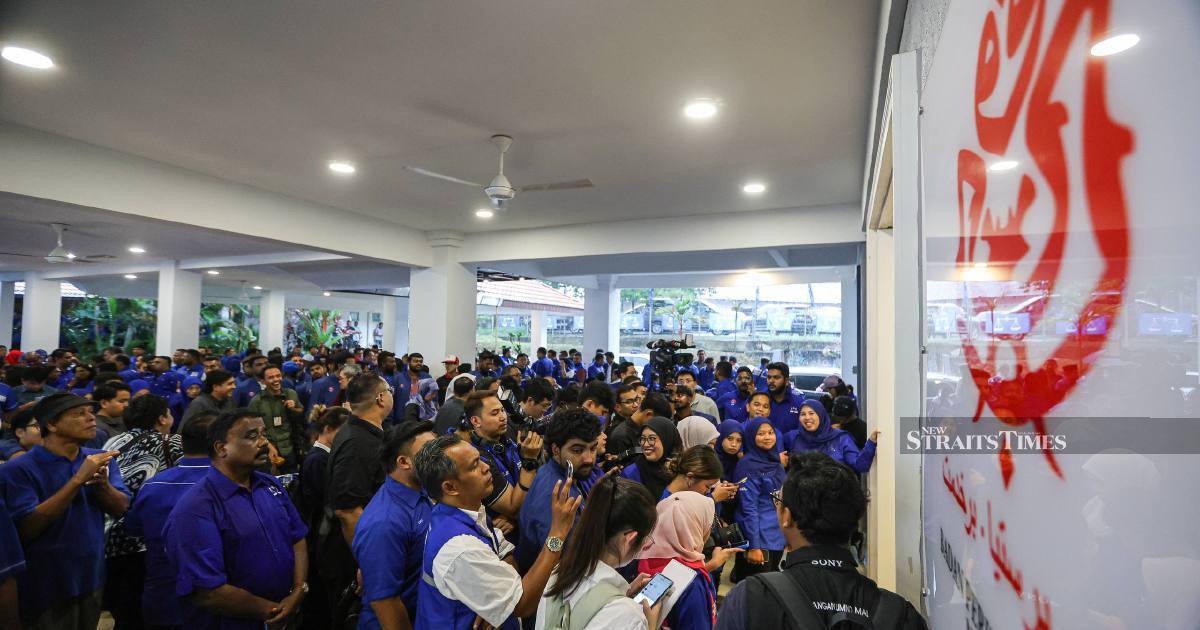
Political energy is mounting in Johor as Barisan Nasional formally prepared to unveil its carefully selected candidate roster for the 16th state election. The atmosphere at Johor Umno headquarters grew increasingly charged as party stalwarts, grassroots members, and enthusiastic supporters arrived for the announcement ceremony, underscoring the coalition's determination to maintain its traditional dominance in the southern state.
The timing of the candidate declaration carries significant weight within Malaysia's electoral calendar. Johor holds particular strategic importance for Barisan Nasional, having served as a reliable electoral fortress for decades. The unveiling of candidates represents more than administrative procedure; it crystallises months of internal negotiations, factional balancing, and calculations about which personalities can best mobilise voters across diverse constituencies.
For Umno, the party anchoring Barisan Nasional's presence in Johor, this announcement carries additional resonance given recent internal turbulence at the national level. The selection of candidates reflects leadership decisions about which figures warrant frontline positioning and which may face sidelining. Such choices invariably generate ripples through party structures, as ambitious politicians jockey for visible contests versus safer seats.
The gathering at headquarters symbolised unity messaging that the coalition intends to project throughout the campaign period. By assembling key figures alongside ordinary members, organisers aimed to convey that Barisan Nasional's machinery remains cohesive and mobilised. However, any fractures within the alliance or tensions between component parties would likely surface in the coming weeks, particularly if candidates from different parties contest the same constituencies.
Johor's electoral landscape has shifted considerably over recent election cycles. While Barisan Nasional maintains structural advantages through established ground networks and administrative machinery, demographic changes and shifting voter preferences have complicated traditional assumptions about the state's political trajectory. Younger voters, urban constituencies, and communities affected by economic pressures represent potential swing variables that sophisticated campaign strategies must address.
The candidate selections will reveal how thoroughly Barisan Nasional has adapted to these evolving dynamics. The inclusion of fresh faces alongside veteran politicians signals efforts to blend continuity with perceived renewal. Conversely, excessive reliance on long-serving incumbents might suggest the coalition struggled to identify compelling new candidates capable of exciting electorate enthusiasm.
Opposition coalitions will scrutinise this lineup intently, searching for perceived vulnerabilities in selected candidates. Any history of controversies, administrative missteps, or unpopularity in specific constituencies provides ammunition for competing campaigns. The quality and credibility of candidates frequently determines whether elections become genuine contests or predetermined outcomes.
From a Southeast Asian perspective, Johor's election carries implications beyond state boundaries. As Malaysia's largest economy and most developed state, its political direction influences national power dynamics and policy trajectories. Foreign investors and regional observers view Malaysian state elections as barometers of domestic political stability and governance direction.
The announcement also marks the formal commencement of intensive campaign activity. Once candidates are publicly named, campaign machinery shifts into higher gear, with rallies, community engagement, and media saturation becoming the norm. Johor constituencies will experience heightened political contestation as candidates and their teams mobilise supporters and attempt to persuade undecided voters.
For Barisan Nasional specifically, this election represents an opportunity to reassert relevance after experiencing setbacks in recent national-level politics. Strong performance in Johor would provide psychological boost and demonstrate that the coalition retains capacity to win significant electoral contests. Conversely, disappointing results would amplify questions about whether Barisan Nasional's traditional support base is fundamentally eroding.
The economic backdrop shapes voter considerations significantly. Johor residents navigate inflation pressures, employment uncertainties, and concerns about cost of living that dominate household discussions. Candidates must convince voters that their parties and manifestos address these tangible, daily challenges more credibly than alternatives. Vague promises or disconnected campaign messaging risks alienating electorates preoccupied with economic anxieties.
Foreign observers note that Malaysian state elections frequently indicate broader national political trends, particularly when they occur in significant jurisdictions. The Johor contest will provide valuable data points about whether Barisan Nasional's reformed positioning gains voter traction or whether opposition coalitions successfully consolidate support. These patterns may foreshadow dynamics in subsequent national elections.
As campaign activity accelerates, the coming weeks will test whether the candidates unveiled at this headquarters gathering possess sufficient credibility, popularity, and organisational backing to deliver the electoral outcomes their party leadership anticipates. The intensity of this opening announcement reflects the stakes involved.