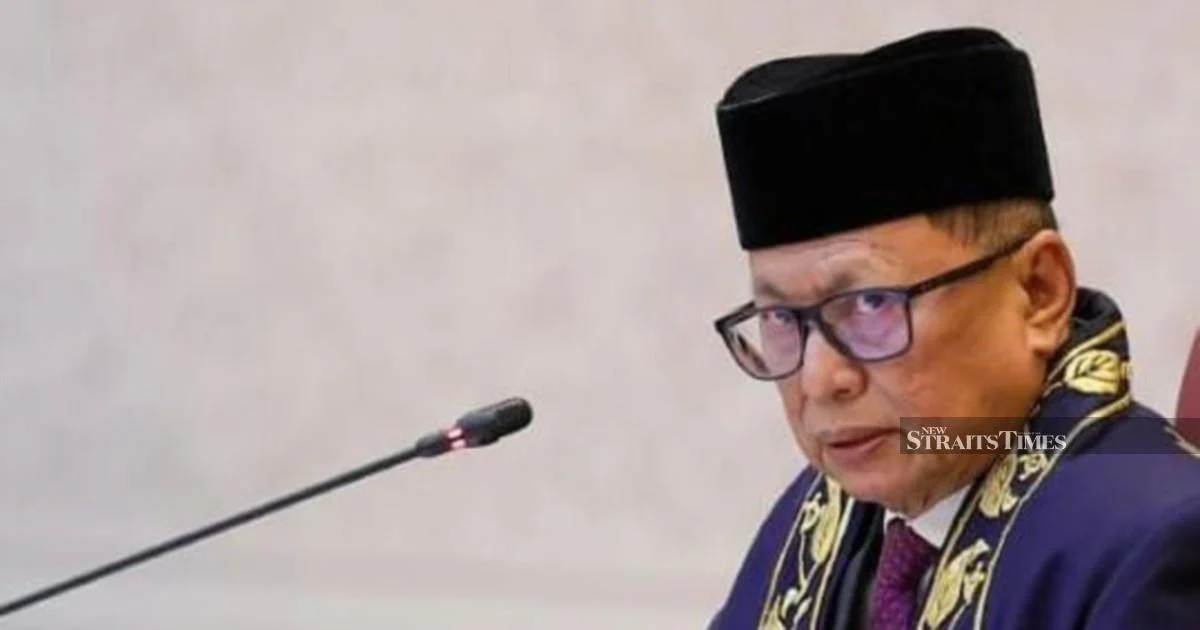
The Johor branch of PKR has issued a pointed challenge to former Umno supreme council member Datuk Dr Mohd Puad Zarkashi, demanding that he substantiate recent allegations he has made concerning royal interference in state politics. Addressing supporters in Pontian, party representatives called on Puad to move beyond rhetoric and produce verifiable evidence to support his controversial assertions, signalling that the party would not allow such claims to go unexamined in public discourse.
The confrontation reflects deepening fractures within Johor's political establishment, where questions about the proper boundaries between constitutional monarchy and executive governance have become increasingly contentious. By demanding specificity rather than accepting generalised accusations, PKR is attempting to shift the narrative away from vague insinuations toward documented fact, a tactic that forces opponents to either retreat or risk making specific allegations that could expose them to legal challenge.
Puad's comments, which questioned the extent of palace involvement in recent political developments, have resonated with certain segments of the electorate who maintain longstanding suspicions about behind-the-scenes influence on ministerial decisions and government appointments. However, critics argue that such allegations, when unsubstantiated, can undermine confidence in democratic institutions and blur lines of accountability. The palace maintains a constitutionally protected role in state affairs, particularly regarding matters of royal prerogative, but the precise extent of this influence remains deliberately ambiguous under Malaysia's constitutional framework.
The timing of this public confrontation is significant within the broader context of Johor politics, where power dynamics have shifted considerably since the 2022 general election and subsequent state-level political reorganisations. PKR's decision to challenge Puad directly suggests confidence that his claims lack evidentiary foundation and that the party can weather any reputational damage from association with allegations of palace meddling. By publicly demanding proof, PKR simultaneously positions itself as pro-transparency and protective of institutional integrity.
Puad's position as a former Umno supreme council member lends his statements a certain weight within conservative political circles, even though his current political status and influence remain unclear following recent shifts in Umno's internal dynamics. His willingness to openly critique potential palace involvement indicates either genuine conviction about such interference or a calculated attempt to mobilise specific voter constituencies that harbour scepticism about Malaysia's power structures. The precise motivations underlying his allegations remain publicly undeclared.
For Malaysian readers accustomed to the delicate protocols surrounding palace matters, this public debate represents a notable escalation in frank discussion about the monarchy's political role. Traditionally, such conversations occurred within closed political circles or were mediated through respectful indirect commentary in media outlets. The emergence of more direct challenges suggests evolving norms around discussing royal prerogative, though significant cultural taboos still constrain the parameters of such discourse.
The implications for Southeast Asian political observers are equally noteworthy. Malaysia's constitutional monarchy operates within a unique regional context where the institution of royalty maintains substantial formal and informal influence over governmental processes. Unlike neighbouring democracies where executive and judicial authority operate with clearer separation from hereditary institutions, Malaysia's system incorporates royal discretion in ways that can appear opaque to external analysts unfamiliar with local constitutional conventions and historical precedents.
PKR's assertive response also demonstrates the party's determination to maintain political momentum in Johor, where it has made steady inroads despite Umno's continued dominance. By forcing Puad into a defensive position regarding his factual claims, PKR attempts to reassert control over the narrative and prevent opposition figures from framing political outcomes as externally determined rather than resulting from legitimate electoral and legislative processes. The underlying question—whether voters are truly free to choose their representatives and policies—cuts to the heart of democratic legitimacy.
The broader implications extend to institutional trust and governance perception across Malaysia. When senior politicians make sweeping allegations about palace interference without supporting detail, public confidence in democratic processes can erode regardless of whether such interference actually occurs. Conversely, allowing such claims to circulate unchallenged risks legitimising conspiratorial thinking that attributes political outcomes exclusively to shadowy elite manipulation rather than policy performance, electoral competition, or governance effectiveness.
Moving forward, observers should monitor whether Puad responds with substantive evidence, clarifies his original statements, or allows the challenge to fade from public discussion. His response will significantly influence how subsequent political actors approach similar allegations, establishing either a norm of evidentiary rigour or accepting vague accusations as valid political currency. For PKR, successfully pressuring Puad to provide specificity represents a tactical victory in managing perceptions around palace influence and state political autonomy.

