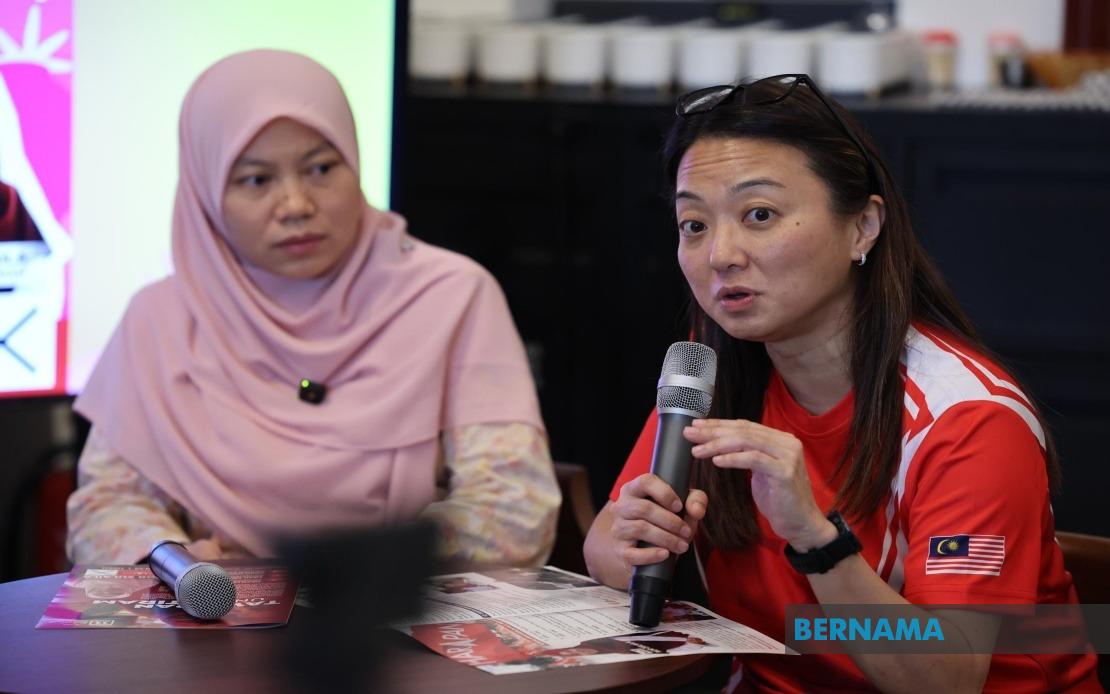
Political manifestos that appear similar across different parties are reflecting legitimate public concerns rather than lazy duplication, according to Hannah Yeoh, DAP deputy secretary-general and Minister in the Prime Minister's Department (Federal Territories). Speaking in Johor Bahru on the campaign trail, Yeoh dismissed criticism that Pakatan Harapan's manifesto for the 16th Johor state election amounts to "copy-paste" content mirroring Barisan Nasional's promises. The remarks come as political observers scrutinise the competing policy platforms ahead of the July 11 polls, with early voting scheduled for July 7.
Yeoh's response provides important context for understanding how political messaging functions in Malaysian elections, particularly in a closely-watched state contest where multiple coalitions are vying for control. The argument she presents—that overlapping commitments on core issues such as housing and social welfare indicate parties are listening to voters rather than copying each other—reflects a philosophical stance on how democratic competition should work. When major political forces independently prioritise identical challenges, this convergence may signal authentic engagement with constituent needs rather than intellectual dishonesty.
Welfare and housing have emerged as dominant themes across all competing manifestos in Johor, consistent with economic pressures facing Malaysian households. Rising living costs, property affordability, and social support systems remain critical issues for voters across the political spectrum. Yeoh's point suggests that parties ignoring these concerns would be failing their electoral responsibility, making manifesto similarity on such matters inevitable and even desirable from a democratic health perspective.
Beyond manifesto content, Yeoh highlighted DAP's gender representation strategy as evidence of substantive policy thinking. The party is fielding eight female candidates among its 17 total nominees in the Johor contest, a proportion reflecting broader commitment to women's political participation. Yeoh emphasised that female candidates possess the calibre for senior governmental roles, including potential appointment as Menteri Besar should their constituencies and the electoral outcome support such elevation.
The party's approach to candidate selection appears designed to challenge prevailing political patterns in Malaysian state elections, where women remain significantly underrepresented in both candidacy and leadership positions. By actively promoting female candidates, DAP is making a deliberate statement about governance composition and inclusive representation. Yeoh's assertion that women candidates can effectively manage major portfolios addresses long-standing questions about gender and leadership capability in Malaysian politics.
Nor Zulaila Abd Ghani, DAP's Tiram candidate, exemplifies the profile Yeoh seeks to promote. With twelve years of administrative experience across local, state, and federal governance levels, she represents a candidate defined by institutional knowledge and hands-on policy implementation rather than mere party loyalty or political connections. Her background demonstrates that technical competence and diverse experience can form the foundation for serious political candidacy.
Yeoh highlighted Nor Zulaila's multicultural family background—Malay mother, Chinese father—as particularly significant for Malaysian politics. The candidate's existence challenges ethnic stereotypes that persist within political narratives and demonstrates lived experience of Malaysia's plural society. In a nation where racial politics continues shaping electoral messaging, candidates embodying cultural hybridity may help reframe political discourse toward shared citizenship rather than communal identity.
The Tiram contest itself illustrates the intensifying competition across Johor's political landscape. A four-cornered race involving Nor Zulaila alongside candidates from Barisan Nasional, Parti Bersama Malaysia, and Perikatan Nasional suggests voter choice has become more fragmented than historical two-coalition contests. This electoral complexity challenges all parties to articulate distinctive policy positions while addressing overlapping concerns.
Pakatan Harapan's decision to contest all 56 Johor state seats represents an ambitious commitment demanding substantial organisational resources and candidate recruitment across diverse constituencies. The breadth of this strategy indicates confidence in the coalition's appeal beyond traditional strongholds, though simultaneously spreading campaign attention and funding across numerous races introduces strategic vulnerabilities compared to more targeted approaches.
For Malaysian and Southeast Asian observers, the Johor election provides significant signals about coalition politics, voter priorities, and regional governance trajectories. Malaysia's states function as important laboratories for policy experimentation and coalition-building, with results in major states like Johor influencing national political dynamics. The manifestos' apparent convergence on welfare and housing suggests economic pressures are transcending traditional political divides, potentially reshaping how voters evaluate competing parties beyond ideological positioning.
Yeoh's defence of manifesto overlap ultimately rests on a vision of democratic politics where party competition drives policy quality rather than monopolistic advantage. When multiple parties independently identify and commit to addressing identical public challenges, voters benefit from competitive proposals on genuine issues rather than artificial differentiation on marginal matters. This perspective suggests political health should be measured not by manifesto uniqueness but by parties' demonstrated commitment to substantive engagement with real problems facing constituents.

