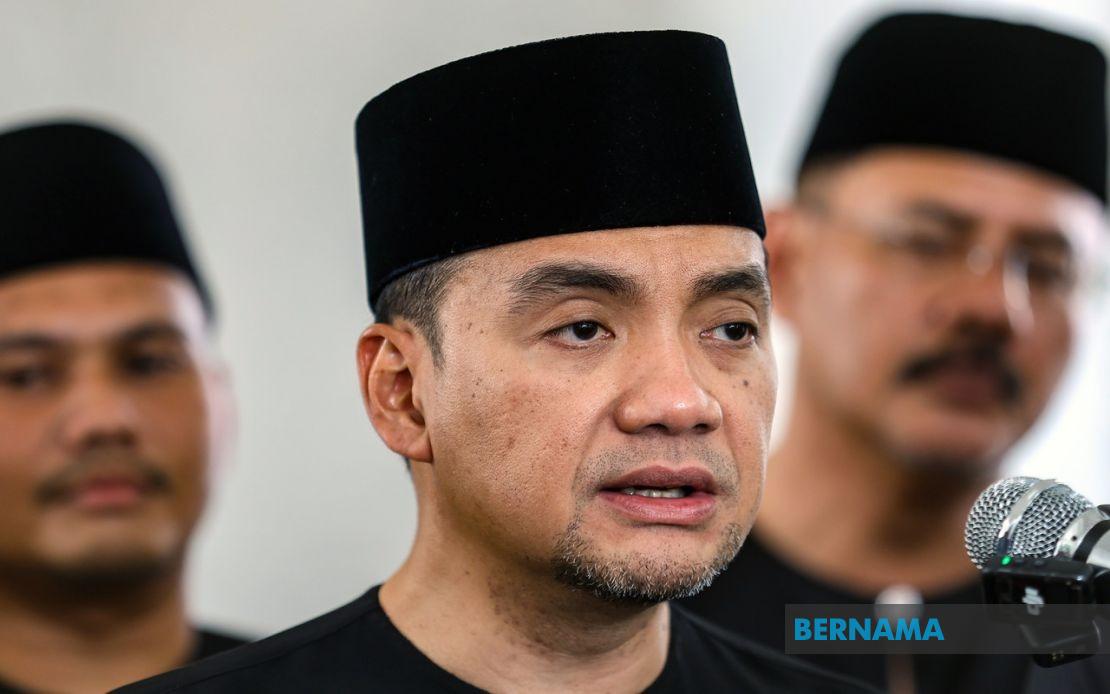
The Johor state government has unveiled a fresh initiative aimed at reinvigorating congregational worship and strengthening the role of mosques as spiritual and social anchors within communities. Menteri Besar Datuk Onn Hafiz Ghazi announced the Semarak Maghrib and Isyak programme, which will be rolled out systematically across mosques throughout Johor, marking an expansion of the state's existing efforts to encourage attendance at collective prayers.
According to Onn Hafiz, the programme represents a natural continuation of the state government's prior campaigns focused on promoting early morning Subuh congregational prayers. By extending this approach to the evening Maghrib and Isyak (night) prayer times, authorities believe they can sustain vibrant mosque activity throughout the day while fostering deeper connections among the Muslim community. The initiative carries dual objectives: ensuring mosques function as thriving centres for worship and learning, while simultaneously nurturing stronger bonds of brotherhood among believers.
The Menteri Besar framed this undertaking as a commitment to advancing syiar Islam—the active promotion and propagation of Islamic values and teachings—in a manner consistent with the state's broader vision. He stressed that the programme directly fulfils election pledges made by Barisan Nasional during the sixteenth state election cycle, demonstrating the government's determination to deliver on mandates endorsed by voters. This alignment with electoral promises suggests the initiative carries political significance alongside its religious dimensions.
The inaugural launch of Semarak Maghrib and Isyak took place at Masjid Jamek As-Syakirin in the Bukit Saujana neighbourhood, where participants engaged in evening prayers followed by a knowledge-sharing segment. The inaugural event featured a scholarly discourse on the forty hadith centred on the theme 'Niat Penentu Perbuatan Hamba' (intention determines actions), delivered by Johor Bahru district kadi Mohd Zaini Mohd Salleh. The programme incorporated recitation of Surah Al-Mulk, enriching the spiritual dimension of the gathering and establishing a template for similar future sessions.
Onn Hafiz's public messaging emphasises communal participation as essential to the programme's success. He appealed directly to Muslims throughout Johor to demonstrate active support by attending these mosque-centred activities and contributing to their vitality through consistent presence. This approach recognises that sustained congregational prayer requires not merely organisational infrastructure but genuine grassroots engagement and individual commitment from community members. The framing positions mosque attendance as both a personal spiritual responsibility and a collective social contribution.
The broader context of this initiative reflects evolving strategies in Malaysian state governance regarding religious and community affairs. Rather than top-down enforcement, contemporary approaches emphasise voluntary participation, educational enrichment, and the positioning of mosques as multifunctional community hubs serving worshippers, seekers of knowledge, and those desiring spiritual development. By pairing prayer times with structured learning sessions, authorities aim to make mosque visits more appealing to diverse demographic segments, potentially broadening participation beyond those motivated solely by religious obligation.
For Malaysian readers and policymakers tracking developments in Islamic affairs across states, Johor's initiative offers insights into how regional governments operationalise religious governance in practice. The emphasis on syiar Islam within a framework described as progressive yet grounded in Quranic and Sunnah principles reflects attempts to balance modernisation narratives with traditional religious anchoring—a tension characterising Malaysian Islamic discourse. The programme's structure suggests recognition that sustaining religious engagement requires addressing practical barriers and providing added value beyond basic worship obligations.
The expansion from Subuh to Maghrib and Isyak prayers also carries practical significance regarding urban Muslim life patterns. Evening prayer times may prove more accessible to working populations and younger demographics compared to pre-dawn Subuh gatherings, potentially explaining the strategic progression. This sequential approach indicates planned expansion based on attendance feasibility and community scheduling realities rather than ad hoc programming.
Institutionally, the involvement of kadis (Islamic judges) in knowledge-sharing sessions signals coordination between state religious departments and mosque management structures. The choice of thematic content—emphasising intention as a determinant of actions—addresses fundamental Islamic ethical principles while remaining accessible to general congregants, suggesting deliberate curriculum development rather than improvised programming. Such coordination suggests sustainable programme architecture rather than ephemeral announcements.
The Menteri Besar's invocation of blessings and well-being for Johor in his closing statements reflects how religious initiatives become articulated within broader state development narratives. The phrasing connects mosque vitality to provincial prosperity, suggesting conceptual linkage between spiritual strengthening and socioeconomic progress. This rhetorical strategy aims to position religious observance as conducive to overall state advancement rather than relegated to purely devotional domains.
For Southeast Asian observers, this initiative illustrates how Malaysian states continue innovating within Islamic governance frameworks, particularly regarding mechanisms for sustaining religious practice amid urbanisation and modernisation pressures. The Semarak Maghrib and Isyak programme demonstrates that state-level religious policy remains dynamic and responsive to perceived challenges in maintaining congregational worship habits and mosque-centred community life, even as broader national conversations address more contentious Islamic governance questions.

