The prospect of the forthcoming Johor state election is emerging as a potential turning point in the fractious relationship between Umno and Pas, two political giants that have repeatedly clashed over the past decade. In a significant development, Umno Youth has endorsed a cross-coalition voting arrangement proposed by Pas, creating an unexpected pathway for cooperation between the Perikatan Nasional and Barisan Nasional blocs. This strategic pivot suggests that both parties may be recognizing the limitations of zero-sum politics in a state where neither can dominate alone.
Pas's suggestion centres on a tactical arrangement whereby supporters of Perikatan Nasional would cast their votes for Barisan Nasional candidates in electoral districts where Perikatan Nasional is not fielding contenders. The proposal reflects a pragmatic acknowledgment that in a three-way contest involving other opposition forces, fragmented votes could prove costly for both major Malay-Muslim political coalitions. By coordinating at the ballot box, both blocs theoretically maximize their combined representation while avoiding direct confrontation in selected constituencies.
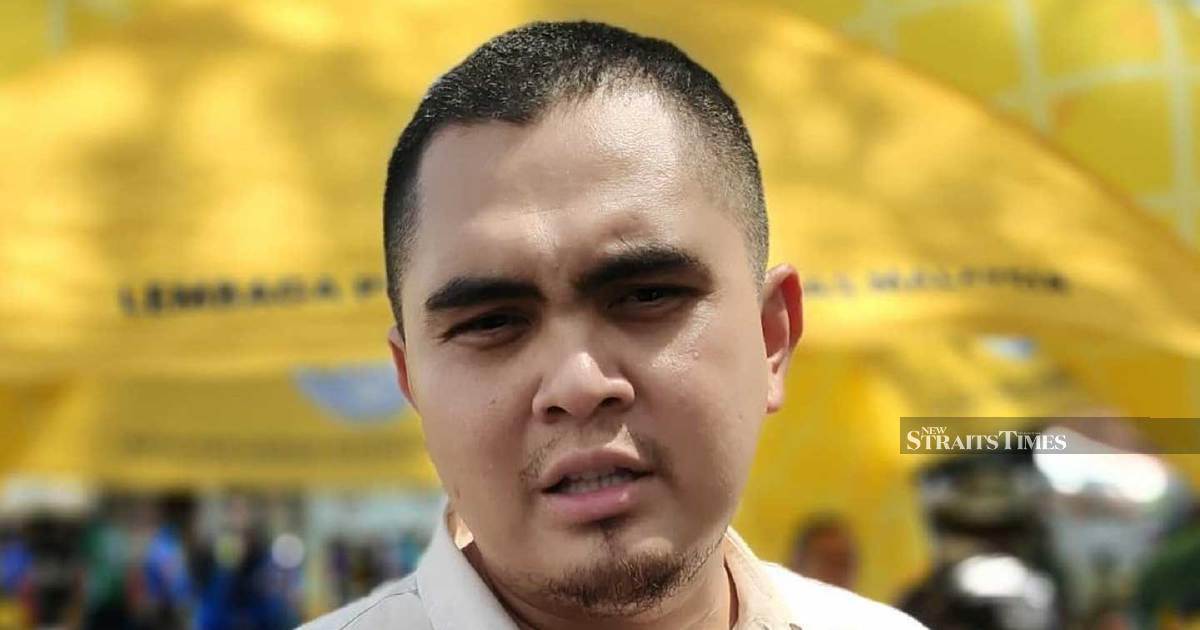
Umno Youth's receptiveness to this idea, articulated through party spokesperson Akmal Helmi, marks a notable shift in rhetoric from the antagonistic posturing that has characterized Umno-Pas interactions since the 2020 general election. The period following that watershed moment saw both parties vie aggressively for control of Malay-Muslim political space, with Umno fighting to recover from its historic electoral losses and Pas capitalizing on religious and conservative sentiment. That competition has often turned bitter, with mutual accusations of betrayal, opportunism, and ideological compromise dominating their public discourse.
Johor's significance in this arrangement extends beyond mere electoral mathematics. As Malaysia's second most populous state with longstanding Umno organizational infrastructure, it represents a traditional powerbase that Pas has increasingly encroached upon. The 2018 and 2022 general elections saw Pas gain ground in Johor, particularly in rural constituencies where the party's messaging on Islamic values resonated with voters fatigued by Umno's perceived moral failings and governance missteps. A cooperative approach in the state election could reset the intensity of competition while allowing both parties to preserve credibility with their respective voter bases.
The calculus behind such an arrangement likely involves shared concerns about Pakatan Harapan's resurgence in the state. The coalition that governed Malaysia from 2018 to 2020 retains significant support in urban areas and among younger voters in Johor. Additionally, the presence of independent candidates and smaller opposition parties in certain constituencies could splinter the vote, potentially allowing candidates from neither Perikatan Nasional nor Barisan Nasional to capture seats. Strategic coordination helps both blocs avoid this outcome without requiring the deeply unpopular formal alliance that many grassroots members across both parties would reject outright.
For Umno specifically, accepting this framework offers tactical advantages without requiring the party to formally abandon its historical positioning as the dominant Malay-Muslim party. By concentrating firepower in select constituencies while allowing Pas to contest elsewhere, Umno can preserve its image of strength and independence while benefiting from Pas voters' support in its core battlegrounds. This allows Umno to focus campaign resources more efficiently and potentially recover ground lost to Pas in the past four years. The party's internal struggles and leadership transitions have weakened its organizational capacity, making concentrated efforts in winnable seats a practical necessity.
Pas, meanwhile, gains legitimacy as a coalition partner and potentially expands its footprint beyond constituencies where it might struggle in three-way contests. The arrangement also provides political cover for the party's leadership, allowing them to argue that they are cooperating for governance stability while maintaining their distinct identity and ideology. This distinction matters considerably given that Pas's base expects the party to champion Islamic causes independently rather than be subsumed within larger coalitions.
The broader implications for Malaysian politics warrant close attention. Such cooperation, if successful in Johor, could provide a template for future state and federal elections, potentially reconfiguring the political landscape away from the sharp BN-versus-Pakatan polarization that has dominated since 2018. A more complex, issue-driven competition could emerge where coalitions form more flexibly depending on local circumstances and policy positions rather than rigid national blocs. This evolution, while chaotic in the short term, might force greater substantive debate on governance matters.
However, significant obstacles remain. Party members at grassroots levels on both sides have developed genuine animosity toward their counterparts, making any voting appeals difficult to implement without elite coordination and intensive messaging. Accusations of betrayal or compromise from hardliners within each party could destabilize support during the campaign. Additionally, the informal nature of such arrangements leaves them vulnerable to individual candidates or local party branches acting opportunistically, potentially undermining the coordination entirely.
The success of Pas's proposal ultimately depends on how effectively both parties can communicate to their supporters that strategic voting serves shared interests. It requires a degree of mutual trust that remains limited given recent history. Yet the very willingness of Umno Youth's leadership to entertain the concept suggests that a sufficiently powerful political logic supports such cooperation. Both parties recognize that the modern Malaysian electoral arena is fragmented enough that their rivalry, while genuine, pales compared to the challenge of competing against multiple opponents simultaneously.
The Johor election, therefore, may represent more than a mere state contest. It could signal whether Malaysia's largest Malay-Muslim parties can navigate the volatile post-2020 political environment through pragmatism rather than perpetual confrontation. The outcome will reverberate far beyond state boundaries, potentially influencing calculations for the next general election and shaping the trajectory of Malaysian politics for years to come. Close observation of how both parties translate their public statements into actual electoral strategy in Johor will provide crucial insights into the feasibility and durability of such cooperative arrangements.

