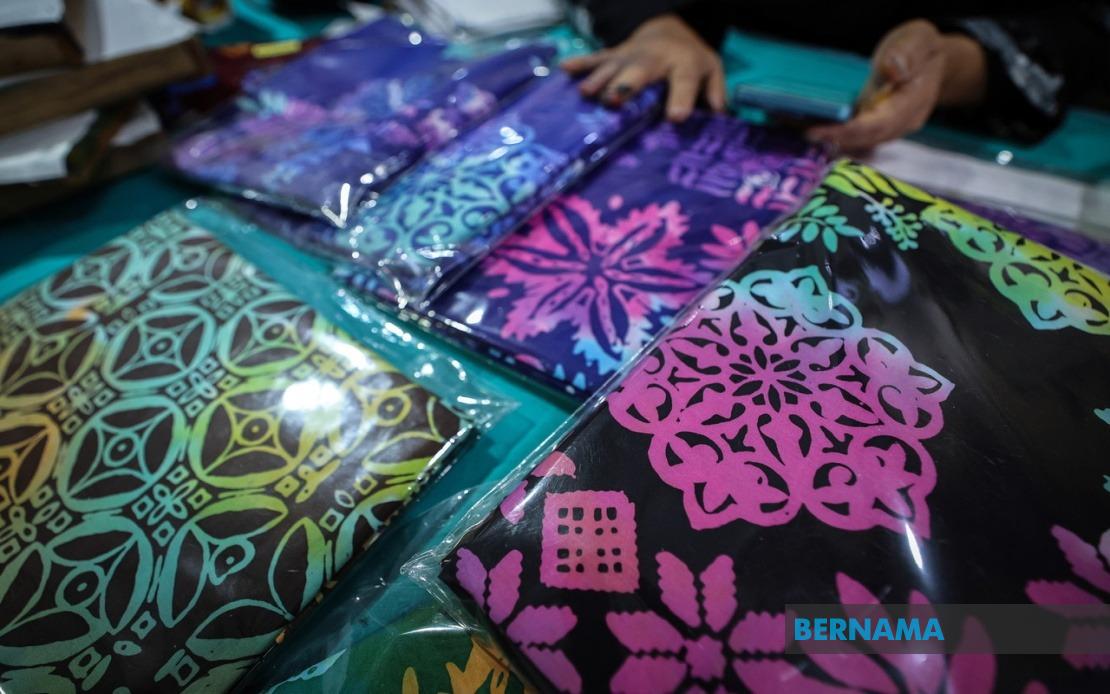
Johor is quietly building a reputation as a batik production hub, moving beyond the East Coast states' long-established dominance in the textile art form. Artisans in the southern state are deliberately weaving together distinctive local imagery—from black pepper and gambir plants to mangrove ecosystems and coral reefs—to create designs that carry unmistakable Johor identity. This targeted approach represents a conscious effort to differentiate regional batik offerings and stake a cultural claim in Malaysia's textile heritage landscape.
The movement owes much to pioneers like Maimunah Yaacob, 58, who has dedicated over three decades to establishing batik as a viable craft tradition in Johor. Her journey began in 1993 when she travelled to Terengganu to learn the fundamentals of hand-drawn canting batik techniques. She subsequently undertook two years of intensive training in Kuala Lumpur before returning home to launch what would become a long-term commitment to the form. Starting with just RM2,000 in capital and working from her kitchen, Maimunah persisted through an era when batik held limited commercial appeal, driven by a conviction that distinctly Johor-focused designs could carve space in a market dominated by established competitors.
Maimunah's Ranorm Batik Creation, based in Kampung Singapura, Tanjung Sedili, demonstrates how geographic and environmental specificity becomes a commercial asset. Rather than mimicking established East Coast patterns, she grounds her collections in Johor's particular landscape and history. Designs representing Muar and Pontian incorporate the berembang tree and pineapple motifs tied to those districts' agricultural character. Meanwhile, coastal areas including Kota Tinggi and Sedili feature mangrove and coral reef elements reflecting their maritime connections. Historical symbols—black pepper and gambir cultivation, tiger-stripe patterns—are adapted into textile form, linking contemporary products directly to the state's economic and cultural past.
This heritage-driven approach addresses a fundamental tension within traditional batik production. The craft faces sustained pressure from mechanised printing processes that offer lower costs and faster turnaround, compelling artisans to articulate why hand-made batik merits premium pricing. Maimunah's response involves emphasizing authenticity and technical superiority. Genuine hand-drawn batik, she explains, achieves even colour penetration through both fabric sides—a quality impossible to replicate through industrial printing. This technical distinction becomes a selling point: consumers purchase not merely pattern and colour, but evidence of traditional mastery and labour-intensive craftsmanship.
Market response has been sufficiently encouraging to validate the strategy. Johor Batik has gained visibility through significant national platforms including the National Craft Day celebration in Kuala Lumpur and dedicated events like the Johor Craft Festival. International interest has emerged as well, with buyers from neighbouring Singapore representing a growing export avenue. The product range reflects careful market segmentation: simple headscarves retail at RM35, while premium silk attire sets command several hundred ringgit. Critically, Maimunah has begun introducing more contemporary and casual designs specifically calibrated toward younger consumers, acknowledging that heritage preservation requires adaptation to shifting aesthetic preferences and lifestyle contexts.
The economic implications extend beyond individual artisans. Batik production creates employment opportunities within rural communities, particularly among craftspeople who might otherwise face limited economic prospects. Johor's emerging batik sector contributes to cultural tourism potential, offering visitors and diaspora communities tangible connections to state identity. The craft also anchors preservation of traditional techniques at risk of extinction as younger generations pursue different livelihoods. When heritage crafts become economically sustainable, they avoid reduction to museum exhibits or nostalgic memory, instead remaining living practices embedded in contemporary commerce and daily cultural life.
Maimunah's expressed hope for expanded training programmes and formal educational pathways reflects recognition that individual entrepreneurial success, while valuable, cannot alone ensure craft continuity. Intergenerational transmission of specialized technical knowledge—the precise control required for canting application, the chemistry of dye interaction with wax and fabric, the aesthetic judgment guiding design composition—demands structured learning environments. Without deliberate institutional support, expertise becomes concentrated among ageing practitioners, vulnerable to sudden loss when senior artisans retire or pass away. Malaysian examples of successful craft preservation, such as Terengganu's batik industry and Kelantan's textile traditions, demonstrate that combining entrepreneurship with vocational training, government recognition, and market development yields more robust outcomes than individual effort alone.
The Johor Batik development also illuminates broader Southeast Asian cultural trends. Across the region, local communities increasingly assert regional identities through consumption choices and cultural production. Batik itself carries pan-regional significance—it holds UNESCO Intangible Cultural Heritage status and appears across Indonesia, Malaysia, Brunei, and Singapore with distinct regional variations. Johor's emphasis on state-specific motifs participates in this wider pattern of localization, where global and national trends converge with hyperlocal expression. Rather than simply reproducing established batik forms, Johor artisans assert that each place's environmental character and historical memory merit visual articulation.
However, challenges remain substantial. Competition from imported textiles and domestic mass production continues intensifying. Labour costs for hand-drawn batik remain significantly higher than mechanised alternatives, constraining market accessibility for price-sensitive consumers. The craft requires years of training to master, creating barriers for new entrants in an era when immediate financial returns matter urgently to younger workers. Climate change and environmental degradation threaten some traditional motif sources—mangrove ecosystems and coral reefs face genuine ecological stress. These pressures mean that romantic appreciation for heritage crafts, while heartening, cannot substitute for concrete market demand, accessible training, and supportive policy frameworks.
Looking forward, Johor's batik trajectory depends partly on factors beyond individual artisans' control. Tourism development, particularly if Johor's beach and cultural attractions draw increased visitors, could expand consumer bases willing to pay premium prices for authentic handmade textiles. Digital platforms enable direct-to-consumer sales and international reach previously requiring expensive intermediaries. Educational partnerships with vocational institutes or universities could systematize training while lending academic credibility. Government recognition through craft grants, export subsidies, or procurement policies supporting local artisans would acknowledge cultural value while providing material support.
Maimunah's three-decade commitment to Johor Batik ultimately represents an act of cultural faith—the belief that place-specific aesthetic traditions deserve investment and preservation despite market headwinds. Her willingness to start from her kitchen with minimal capital, to absorb years of training and establish gradual market presence, to adapt designs for contemporary audiences while maintaining technical authenticity, models a particular approach to cultural entrepreneurship. As Johor continues developing its economic profile and tourism infrastructure, supporting and expanding initiatives like Ranorm Batik Creation becomes not merely charitable heritage preservation, but recognition that distinctive regional identities—expressed through locally rooted cultural production—constitute genuine competitive advantages in an increasingly globalized marketplace.

