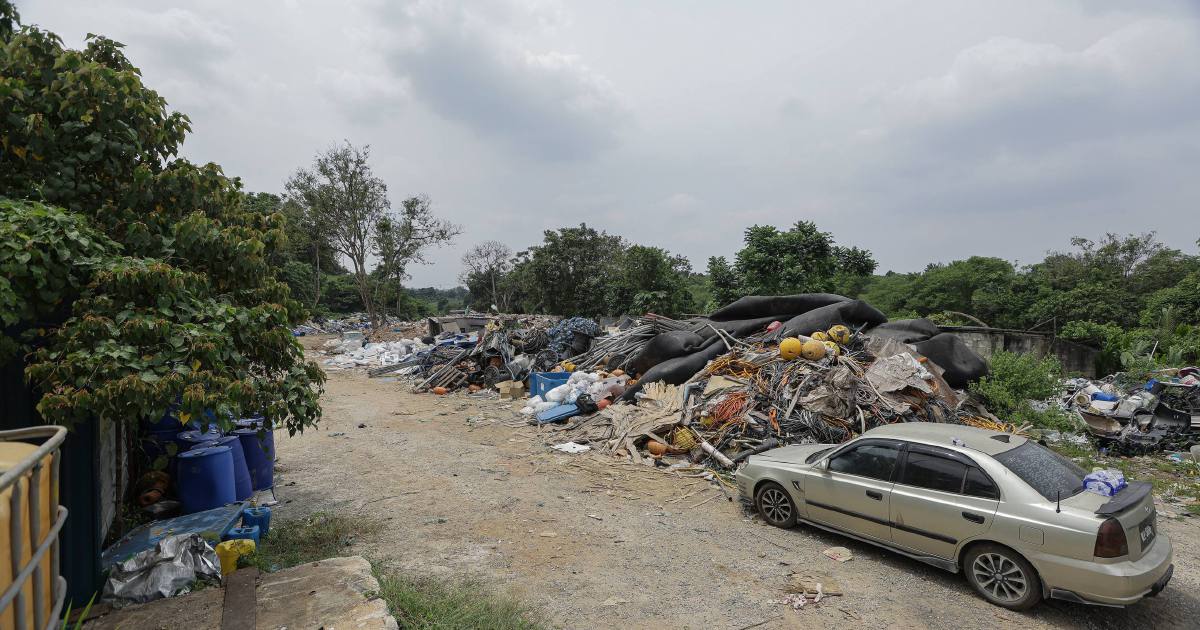
The Johor state government has announced plans to establish a dedicated multi-agency task force to thoroughly examine claims that construction waste originating from Singapore has been deposited at various locations throughout Pontian district. The formation of this investigative body represents a significant step in addressing growing environmental and regulatory concerns along the border region between the two nations.
The alleged dumping incidents have raised alarm among local residents and environmental advocates in Pontian, who worry about the potential ecological and health impacts of unchecked waste disposal. The task force will coordinate efforts across multiple government agencies to determine the scope of the problem, identify responsible parties, and establish accountability measures. This collaborative approach recognises that such cross-border environmental issues require coordination between various regulatory bodies and authorities.
Pontian, located in southern Johor and situated close to Singapore's eastern border, has historically served as a focal point for bilateral relations and commerce between Malaysia and Singapore. However, the proximity that facilitates economic ties also creates opportunities for activities that may circumvent environmental regulations. The investigation into construction waste dumping reflects growing scrutiny of how waste management practices along the border affect local communities and natural resources.
Construction waste management has become an increasingly pressing issue across Southeast Asia, where rapid urbanisation and development generate substantial quantities of debris annually. In Singapore, construction activities regularly produce significant volumes of waste materials including concrete, timber, metal, and other building byproducts. Neighbouring jurisdictions like Johor may inadvertently become repositories for waste that would otherwise require expensive disposal or processing within Singapore's borders.
The establishment of this task force underscores the regulatory challenges inherent in managing waste flows across international borders. Unlike containerised commercial goods that pass through formal checkpoints, construction waste may be transported through less monitored channels, making detection and prevention difficult. Environmental enforcement agencies in both Malaysia and Singapore will likely need to strengthen coordination and information-sharing to effectively combat such practices.
For Malaysian residents living near the Johor-Singapore border, this investigation carries implications extending beyond environmental protection to public health concerns. Improperly dumped construction waste may contaminate soil and water sources, introduce hazardous materials into local ecosystems, and degrade living conditions in affected communities. The task force's findings will be crucial in determining whether remediation efforts are necessary and what preventative measures should be implemented.
The legal framework governing transboundary waste movement remains complex within Southeast Asia. While Malaysia has domestic regulations controlling waste disposal, enforcement across borders requires diplomatic cooperation and mutual agreement between nations. The task force investigation will likely inform discussions about strengthening bilateral protocols for waste management and establishing clearer accountability mechanisms for operators who engage in cross-border dumping.
This situation also reflects broader tensions within Malaysia regarding its role as a destination for regional waste. In recent years, Malaysian authorities have intensified scrutiny of imported waste materials, particularly from developed nations where export has historically been cheaper than domestic processing. The Pontian investigation demonstrates that vigilance is equally necessary at the local and bilateral level, not merely with distant international partners.
The involvement of multiple agencies in the task force suggests that investigators will examine environmental, regulatory, customs, and potentially criminal dimensions of the alleged dumping. Such comprehensive investigation may reveal patterns of systematic disposal or isolated incidents, and evidence could inform both administrative penalties and criminal proceedings depending on findings. The task force's transparency and eventual public reporting will be important for restoring confidence among Pontian residents.
For Malaysia's broader environmental stewardship objectives, successfully investigating and preventing transboundary waste dumping demonstrates commitment to protecting domestic resources and enforcing environmental standards. This action also signals to regional partners that Malaysia takes seriously its obligations to prevent its territory from becoming a repository for external waste. Effective resolution of the Pontian allegations could establish precedents for handling similar concerns elsewhere along Malaysia's borders.
The task force's work will unfold amid international attention to plastic pollution, construction waste, and the broader circular economy movement sweeping through Asia. Proactive investigation sends a message that state and federal authorities are responsive to environmental concerns raised by citizens. Success in this case could encourage greater reporting of similar issues and strengthen community engagement in environmental protection efforts throughout border regions.
As investigations proceed, stakeholders will be watching to see whether the multi-agency approach generates credible findings and leads to actionable outcomes. The task force's ability to trace waste origins, identify responsible parties, and establish preventative measures will ultimately determine whether this initiative becomes a genuine turning point in managing cross-border waste or remains a limited response to isolated incidents.

