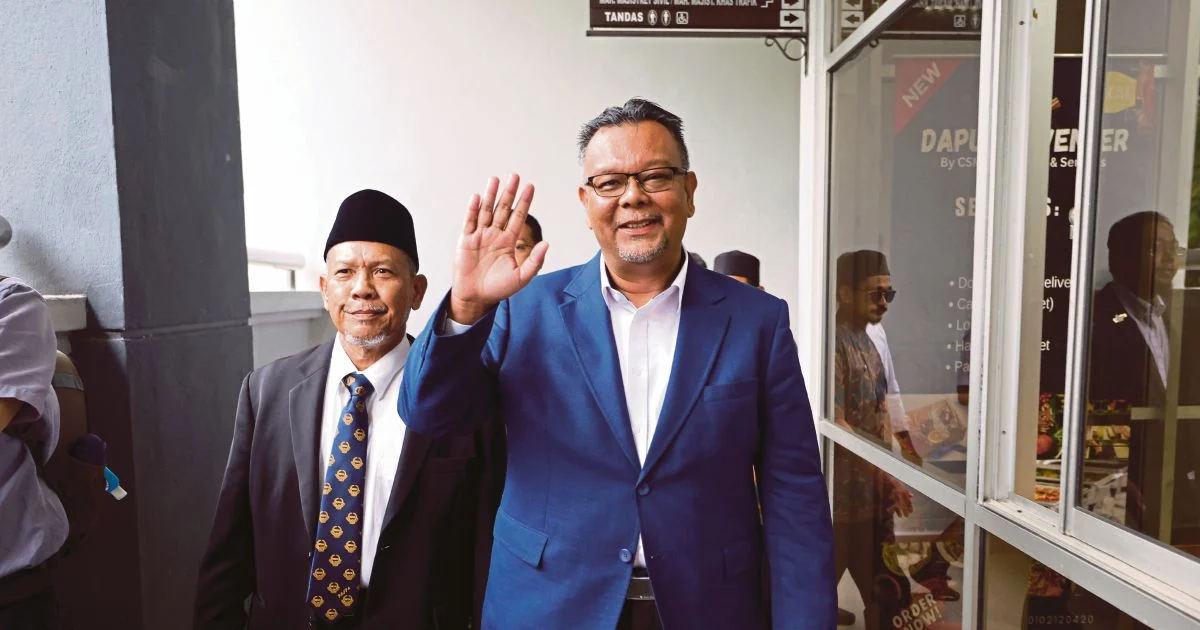
Dr Haim Hilman Abdullah, the assemblyman representing Jitra, appeared before Seremban magistrate's court and formally denied charges that he had made statements with the potential to trigger public alarm. The hearing marked the first substantive appearance by the politician following the allegations, which relate to remarks deemed capable of disturbing public tranquillity and provoking widespread concern.
The specific nature of the statements in question and the precise circumstances surrounding their alleged utterance remain central to the unfolding legal proceedings. The charge carries implications for political discourse in Malaysia, where the boundary between legitimate criticism, public commentary, and statements that cross into territory designed to alarm or inflame remains an ongoing matter of judicial interpretation.
This case reflects broader tensions within Malaysian politics regarding the freedom of expression granted to elected representatives and the legal frameworks that constrain such speech. Assemblymen and other political figures frequently navigate complex terrain when articulating positions on matters of public concern, as they must balance their responsibility to represent constituents against legal prohibitions on inflammatory or alarmist rhetoric.
The Jitra constituency, located in Kedah, has been a focal point of various political developments in recent years as the state continues to experience shifts in its political landscape. The involvement of a sitting assemblyman in such proceedings inevitably draws attention to questions about governance, accountability, and the mechanisms through which state legislatures address the conduct of their members.
Malaysian legal statutes governing public statements and public order offences have been employed in numerous cases involving politicians, activists, and public figures. These provisions grant authorities considerable discretion in determining whether statements constitute genuine threats to public peace or whether they represent legitimate expression of political views. The distinction between the two categories often depends on context, intent, and the reasonable interpretation of how audiences might receive the communication.
The magistrate's court proceedings will likely involve examination of the precise wording of Dr Haim Hilman's remarks, the context in which they were delivered, and expert or witness testimony regarding their reasonable interpretation. Prosecutors will need to demonstrate that the statements were intentionally designed to create alarm, rather than merely expressing controversial or unpopular positions. Defence counsel will presumably argue that the remarks fell within the bounds of acceptable political commentary or that they were misinterpreted or misrepresented.
Such cases carry significance beyond the individual concerned, as they influence how other elected representatives calibrate their public statements and media engagement. The outcome could provide guidance on where judicial authorities draw lines around permissible political discourse, with implications for the broader health of democratic debate and political participation in Malaysia.
The procedural path forward typically involves court dates for evidence presentation, where both the prosecution and defence will present their cases. Depending on the complexity and contested nature of the matters at hand, the process could extend over multiple sessions. The magistrate will ultimately determine whether the prosecution has established sufficient grounds for conviction or whether Dr Haim Hilman's not guilty plea should be upheld.
For Malaysian political observers, this case underscores the intricate relationship between political rights and legal constraints. Elected representatives must operate within defined legal boundaries, yet they also bear responsibility for advocating effectively for their constituencies and engaging in the sometimes robust debates characteristic of democratic politics. Finding equilibrium between these competing demands remains an enduring challenge within the Malaysian political system.
The proceedings in Seremban will be watched closely by political figures across the country, as they navigate their own public communications in an environment where legal consequences for statements deemed inflammatory remain a tangible possibility. The magistrate's eventual decision will likely influence how political figures throughout Malaysia approach public statements on sensitive matters, potentially shaping the contours of permissible political discourse for months or years ahead.
Beyond the immediate case, the charges against Dr Haim Hilman raise questions about the effectiveness and appropriateness of invoking public order laws against elected officials for their statements. Observers debate whether such prosecutions serve legitimate public interest goals or whether they risk becoming tools for political suppression. These broader questions about governance, legal frameworks, and democratic principles will likely feature prominently in discussions as the case progresses through the Malaysian courts.

