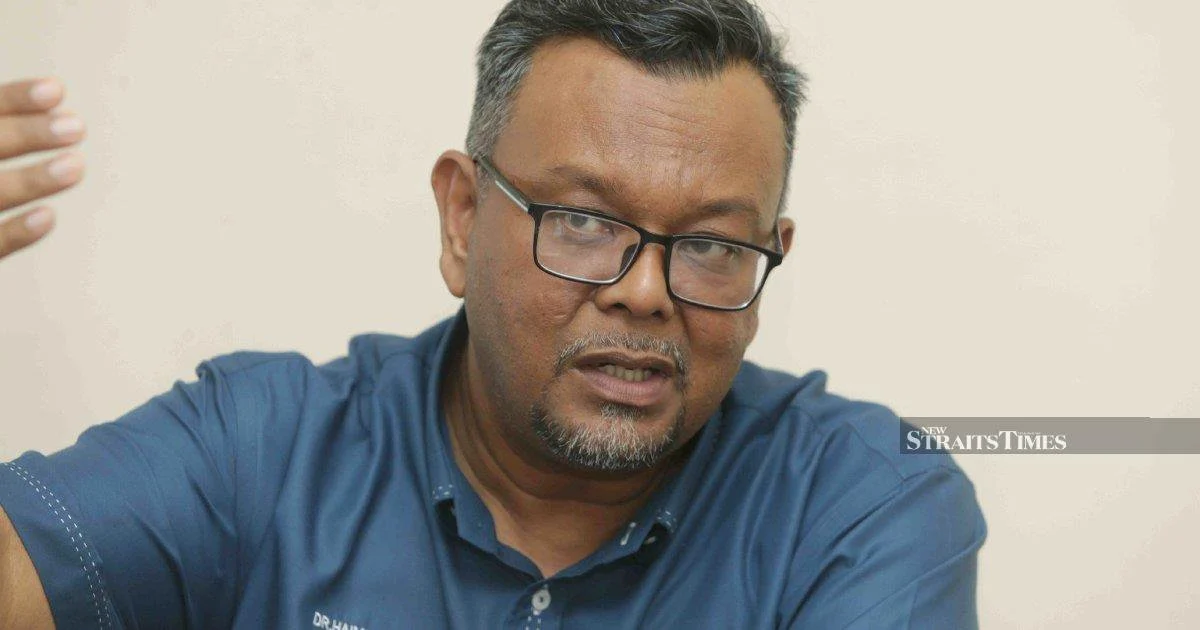
The Jitra assemblyman Dr Haim Hilman Abdullah will make his court appearance at the Seremban magistrate's court in connection with allegations stemming from claims he had previously made regarding access to higher education pathways. The case marks a significant development in what has become a contentious matter within Perak's political landscape, drawing attention to issues surrounding the transparency and accountability of elected representatives when discussing matters related to the nation's university admission system.
University admission remains a politically sensitive topic across Malaysia, as access to tertiary education directly affects thousands of families annually and frequently becomes a flashpoint for public discourse. When prominent political figures make statements about such matters, the stakes are amplified given their elevated platform and influence over public perception. The allegations against Dr Haim Hilman appear to centre on the nature and veracity of statements he made regarding students' ability to secure spots in higher education institutions, a claim that carries significant weight given the competitive nature of university entry in Malaysia.
As a state assemblyman representing Jitra, Dr Haim Hilman holds considerable standing within the Perak state assembly and maintains a visible public profile. The decision to pursue legal action against him through the Seremban magistrate's court suggests that authorities have determined there is sufficient basis to formally charge him with offences related to his public statements. The magistrate's court serves as the entry point for such proceedings and determines whether cases merit progression to higher courts based on evidence presented.
The timing of this court appearance carries implications for the political environment in Perak, where the balance of power has been subject to considerable fluctuation in recent years. The Perak state assembly has witnessed multiple realignments and defections, making each assemblyman's political positioning and public conduct matters of heightened scrutiny. Dr Haim Hilman's legal situation therefore occurs within a context where political dynamics remain fluid and where incidents involving individual representatives can have ripple effects across the broader assembly dynamics.
University admission processes in Malaysia involve multiple stakeholders including the Ministry of Higher Education, individual institutions, and various assessment bodies. The standardisation and perceived fairness of these processes is essential to maintaining public confidence in meritocratic principles. When political figures make claims about their influence or connections within these systems, it raises questions about whether proper channels are being respected and whether university admission decisions are being subjected to political pressure or patronage considerations.
The allegation framework suggests that Dr Haim Hilman may have made statements that either misrepresented his actual influence over admission outcomes or constituted false claims about access to tertiary education opportunities. Such allegations, if substantiated, would constitute a breach of public trust and raise concerns about the integrity of political communication. The formal charging process represents authorities taking these allegations seriously enough to pursue them through the judicial system rather than allowing them to remain as matters of political discourse alone.
For Malaysian readers, particularly parents and students navigating the university admission landscape, cases like this underscore the importance of relying on official channels and verified information when making critical educational decisions. Political claims about special access or informal pathways to university admission should be treated with considerable scepticism, as the formal admission process operates according to established criteria designed to ensure fairness and transparency.
The broader context of accountability for elected officials in Malaysia has shifted somewhat in recent years, with increased scrutiny of public figures' statements and conduct. The decision to prosecute Dr Haim Hilman reflects this evolving expectation that representatives must exercise responsibility when making public claims, particularly on matters affecting significant portions of the electorate. This case may therefore serve as a precedent regarding standards expected from political figures when discussing public services and institutional processes.
The Seremban magistrate's court proceeding will be closely watched not only by constituents in Jitra but potentially by other political observers across Malaysia. The outcome of the case will help establish boundaries regarding what constitutes permissible political speech versus statements that cross into prosecutable territory. Whether the court finds sufficient evidence to proceed with conviction will have implications for how political figures approach making claims about their influence and relationships with government institutions.
For Southeast Asian observers monitoring Malaysian politics, this situation reflects the region's broader experience with balancing freedom of political expression against accountability mechanisms. Many countries in the region grapple with similar questions about how to pursue cases against politicians while respecting democratic norms and protecting legitimate political speech. The manner in which Malaysian authorities and courts handle this matter may offer insights into the broader trajectory of accountability standards in the region.