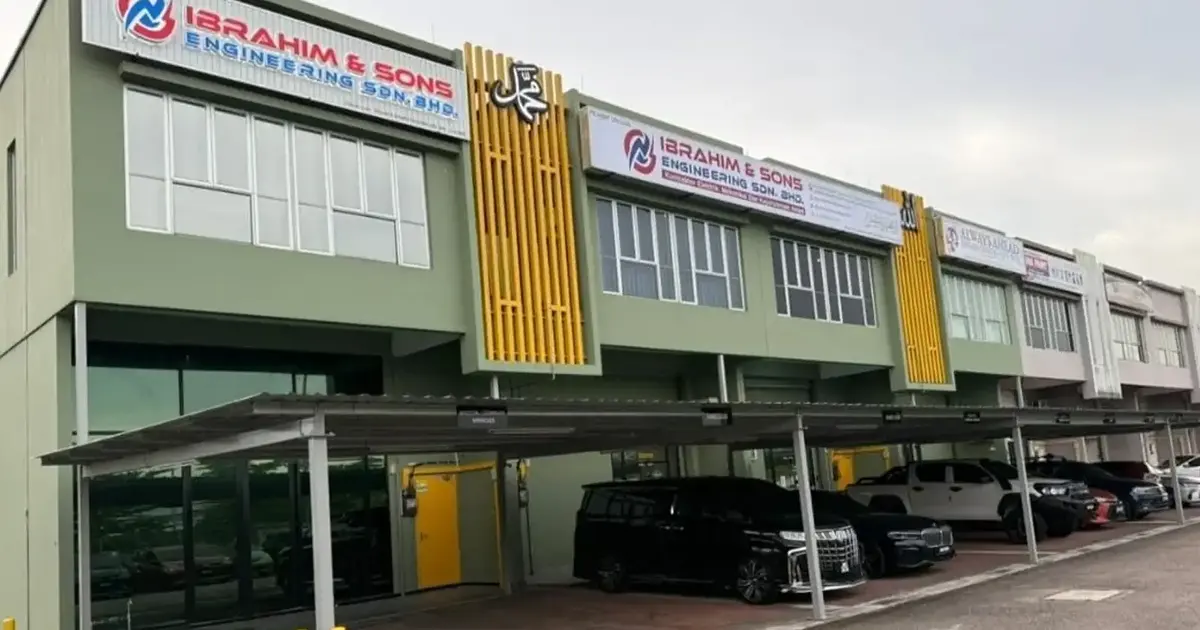
Ibrahim & Sons Engineering Sdn Bhd has escalated its business dispute with the Steel Hawk group by launching a defamation counter-suit, claiming the latter orchestrated a calculated media strategy designed to harm the company's standing and cast its directors in a fraudulent light. The legal manoeuvre marks a significant escalation in what appears to be a protracted conflict between the two engineering firms, transforming the commercial disagreement into a battle over corporate reputation and public perception.
The counter-claim centres on allegations that Steel Hawk's actions were not spontaneous responses to legitimate grievances but rather the execution of a deliberate plan to damage Ibrahim & Sons Engineering through sustained media engagement. According to Ibrahim & Sons, the group's pattern of public statements and media interactions constitutes defamation by suggesting the company and its leadership engaged in dishonest or criminal conduct. This characterisation as "pre-planned" is particularly significant, as it suggests coordination rather than individual assertions, potentially strengthening arguments that the campaign was designed to inflict maximum reputational harm.
The dispute between the two firms carries implications beyond their immediate commercial interests. In Malaysia's engineering and construction sector, where relationships between firms often determine project opportunities and client confidence, reputation serves as a critical business asset. A sustained defamation campaign can undermine a company's ability to secure contracts, attract talent, and maintain supplier relationships, regardless of the underlying factual merits of the allegations being made. This reality has prompted Ibrahim & Sons to pursue legal remedies that address not merely the immediate damage but the systematic nature of the assault on their credibility.
The Steel Hawk group's perspective on the counter-claim remains to be fully articulated through its legal response, but the existence of the counter-suit suggests that the original dispute involved serious allegations from Steel Hawk's side. The fact that both parties are now engaged in defamation litigation indicates the breakdown has reached a point where each believes it has suffered reputational damage warranting legal action. Such scenarios typically emerge from partnerships that deteriorated, possibly involving disagreements over financial arrangements, contractual obligations, or business direction.
For Malaysian business observers, the case underscores the challenges posed by disputes that migrate from boardrooms to public discourse. When commercial disagreements spill into media and social channels, companies risk triggering defamation liability even when raising legitimate concerns. The line between protected speech—such as factual reporting of wrongdoing or honest opinion—and defamatory statements can prove legally complex, particularly when statements are made through multiple channels or to multiple audiences over time. Courts must then evaluate whether remarks constituted fair comment, honest opinion, or malicious falsehoods designed primarily to injure reputation rather than inform.
The counter-suit also reflects how engineering firms in Malaysia increasingly recognise that legal mechanisms exist to defend against what they perceive as unfair public attacks. Rather than relying solely on private dispute resolution or commercial negotiation, companies are turning to defamation law as a tool to establish the boundaries of acceptable competitive conduct. However, this approach carries its own risks, as defamation litigation can amplify disputes and attract further media attention, potentially deepening public awareness of the underlying conflict.
The involvement of a Johor Bahru firm is noteworthy given the state's significance in Malaysia's construction and infrastructure landscape. Johor hosts numerous major industrial projects and has become increasingly competitive as a business hub. Companies operating in this environment face heightened pressure to maintain reputational integrity, as negative perceptions can disadvantage them in tender processes and relationship-building with both government and private sector clients. A defamation case involving an engineering firm is thus not merely a private matter but one with potential ramifications for local business confidence and industry dynamics.
The outcome of Ibrahim & Sons' counter-suit will likely depend on whether the company can demonstrate that Steel Hawk's statements were false, communicated with malice or reckless disregard for truth, and caused quantifiable damage. Malaysian courts have increasingly acknowledged the importance of protecting reputation while also ensuring that legitimate expression is not suppressed through defamation liability. The specific nature of Steel Hawk's public statements, the context in which they were made, and their impact on Ibrahim & Sons' business operations will all factor into judicial assessment.
Both firms may ultimately find that the legal costs and management attention required by protracted defamation litigation exceed the value of vindication through judgment. This reality sometimes prompts settlements that include carefully worded statements allowing both parties to declare victory or at least closure. Nevertheless, the present counter-claim signals that Ibrahim & Sons believes its reputational interests are sufficiently threatened to justify the expense and public exposure of court proceedings. The case serves as a cautionary example for Malaysian businesses of how partnership failures can evolve into costly legal battles where the stakes extend far beyond money to encompass corporate identity and market position.

