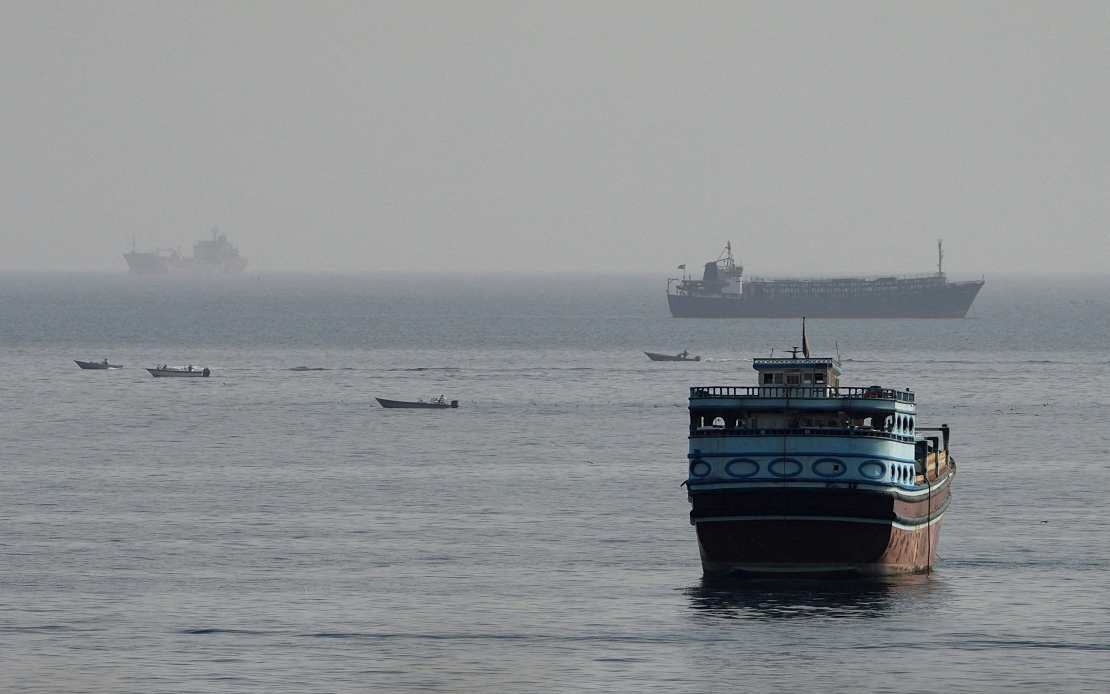
Japanese Prime Minister Sanae Takaichi has made a direct appeal to Iran's leadership to refrain from levying charges on vessels transiting the strategically vital Strait of Hormuz, one of the world's most consequential maritime passages for energy supplies. In a telephone conversation with Iranian President Masoud Pezeshkian held on Wednesday in Tokyo, Takaichi underscored Tokyo's position that unfettered passage through the waterway remains essential for global commerce and stability, particularly as the corridor has faced effective closure due to protracted negotiations between the United States and Iran.
The Japanese premier's intervention reflects growing anxiety in Tokyo regarding the dual disruption affecting critical Middle Eastern shipping arteries. While the Strait of Hormuz—through which roughly one-third of global seaborne traded oil passes annually—has suffered from diminished activity following the February escalation between the US and Israel on one side and Iran on the other, alternative routes have themselves become precarious. The Bab el-Mandeb Strait, positioned on the opposite flank of the Arabian Peninsula and serving as a key passage connecting the Red Sea to the Gulf of Aden, has emerged as another flashpoint threatening international maritime commerce.
Takaichi communicated to Pezeshkian that Japan harbours profound apprehension over developments in the Bab el-Mandeb region, where Tehran-aligned Houthi forces operating from Yemen have intensified operations. The rebel group, which declared what it termed a "maritime blockade" in July specifically targeting Saudi Arabian shipping, has escalated to conducting armed assaults against commercial vessels. Earlier this week, Yemeni authorities documented a Houthi strike against a cargo ship navigating the contested waters, underscoring the group's willingness to act on its threats and disrupt legitimate commerce.
For Japan and other maritime trading nations dependent on Gulf oil supplies, the simultaneous paralysis of the Hormuz Strait and insurgent activity in the Bab el-Mandeb represents a compounding crisis. With the primary conduit for Middle Eastern crude effectively constrained, shipping companies have increasingly rerouted vessels toward the Bab el-Mandeb passage as an alternative corridor for petroleum transport. Yet this supposed workaround has itself become subject to hostile interference, creating a situation where Japan and other energy-importing economies face mounting pressure on multiple fronts. The Japanese premier's phone call signals Tokyo's determination to use diplomatic channels to arrest further deterioration.
The Takaichi-Pezeshkian conversation marked their first exchange since June, extending a dialogue that has persisted even as geopolitical tensions have intensified across the region. Since the February onset of major hostilities involving the United States and Israel in connection with Iran, the two leaders have now engaged in four substantive discussions, demonstrating Japan's commitment to maintaining channels of communication despite its alliance with Washington. Tokyo's balancing act—maintaining close security and economic ties with the United States whilst preserving pragmatic relations with Iran—has grown increasingly delicate as regional polarisation deepens.
Japan's historical relationship with Iran differs markedly from that of Western powers. Despite being a longstanding American security partner, Tokyo has cultivated and preserved diplomatic and commercial engagement with Tehran across multiple decades, even through periods of international isolation of the Iranian state. This positioning allows Japan a degree of diplomatic flexibility unavailable to many Western nations, permitting it to raise concerns and make appeals that might carry particular weight in Iranian councils. Takaichi's specific request that Iran use its influence to convince Houthi forces to exercise restraint reflects this understanding, essentially asking Tehran to leverage its relationship with the rebel movement.
The implications of shipping disruption extend far beyond bilateral Japanese-Iranian concerns. Malaysia, as a significant trading hub with substantial energy import requirements and strategic positioning within one of the world's busiest maritime regions, remains acutely vulnerable to any further deterioration in Gulf security and Hormuz access. Shipping rates, insurance costs, and supply chain reliability for Malaysian importers all hinge on the stability and accessibility of these critical passages. Any additional fees imposed on Hormuz transit would represent a direct tax on Malaysian commerce and consumer prices, making Takaichi's diplomatic initiative relevant to Southeast Asian economic interests broadly.
The Houthi dimension adds another layer of concern for regional actors. The rebel group's demonstrated capacity and willingness to attack commercial vessels creates insurance complications and transit delays that reverberate throughout Asian supply chains. Malaysian shipping companies operating in the region face heightened operational risks and increased insurance premiums, potentially making established trade routes economically prohibitive. The prospect of widespread avoidance of the Bab el-Mandeb and rerouting through longer, more expensive passages would inflate costs across Asian import-dependent economies.
Takaichi's diplomatic overture also addresses a potential escalation pathway that Tokyo wishes to forestall. The implicit threat within her communication is that should Iran permit or tacitly encourage further Houthi attacks, the consequences for Iranian interests would accumulate. Conversely, should Iran successfully pressure its aligned Yemeni partners toward restraint, Japan signalled willingness to recognise such constructive behaviour. This calibrated messaging reflects careful diplomatic calculation aimed at influencing Iranian decision-making without resorting to coercive measures Japan cannot independently enforce.
The conversation occurs against a backdrop of broader Middle Eastern volatility that shows few signs of resolution. With US-Iran tensions remaining high and proxy conflicts continuing across the region, the immediate prospects for Hormuz normalisation appear uncertain. Japan's willingness to engage Iran directly on these matters, conveying concerns whilst respecting Iranian sovereignty, represents one of the few diplomatic channels attempting to address the underlying security dilemma driving shipping lane instability. Whether such efforts can produce tangible results in persuading either Iran or the Houthis toward restraint remains an open question, but Tokyo's persistent engagement suggests Japanese policymakers view continued dialogue as preferable to passive acceptance of further deterioration.
For Malaysia and Southeast Asian economies, the outcome of these diplomatic initiatives carries direct consequences. Should Takaichi's appeals prove effective in moderating Houthi activities and preventing Iranian toll-impositions, the region's trading environment would stabilise. Should they prove ineffective, Malaysian policymakers may need to reassess logistics strategies and account for permanently elevated shipping costs in long-term economic planning. Japan's diplomatic activism in this sphere thus warrants close attention from Malaysian observers concerned with maintaining stable and predictable maritime trading conditions essential to the nation's economic wellbeing.

