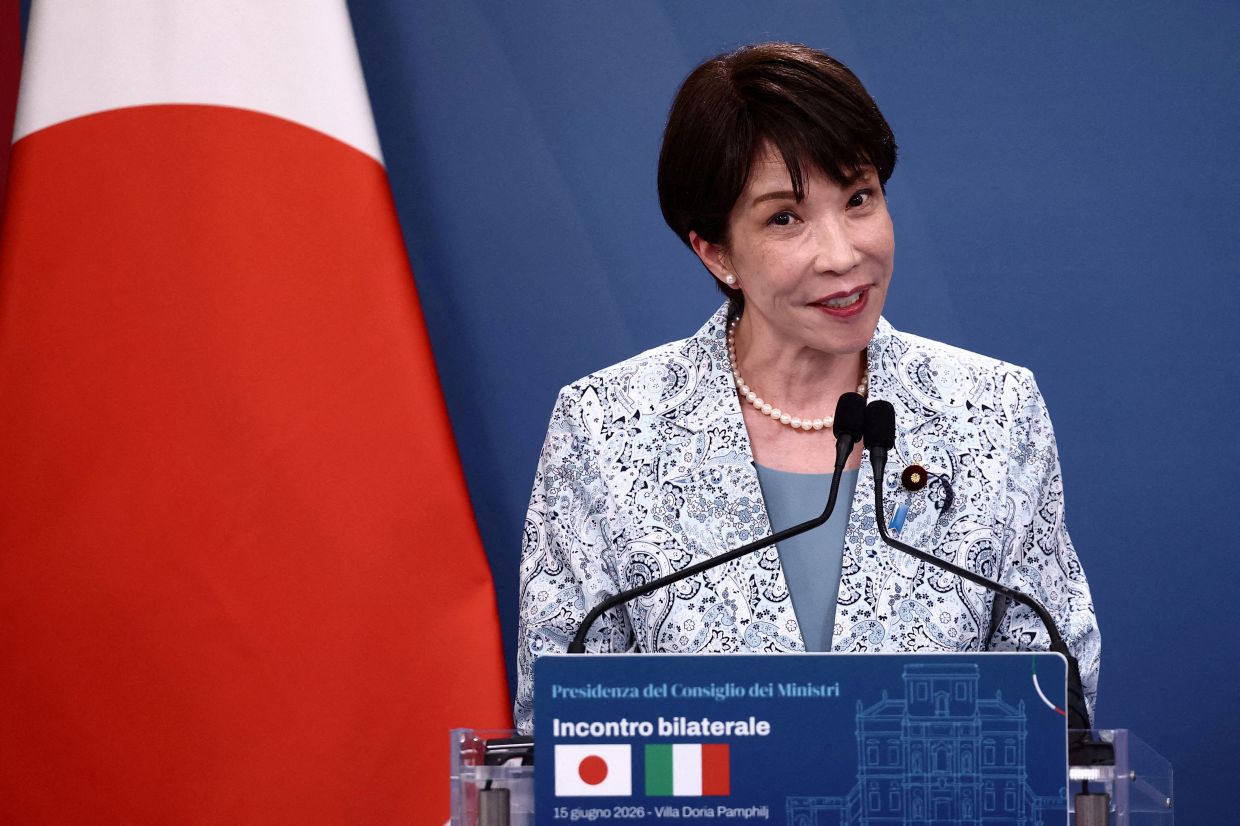
Japanese Prime Minister Sanae Takaichi's political honeymoon has decisively ended, with her cabinet approval rating slumping to 49 per cent in a fresh survey, marking the first occasion it has dipped below the psychologically important 50 per cent threshold since she assumed office last October. The Jiji Press poll released Thursday reveals a widening credibility gap between the government and the electorate, particularly among demographic groups that initially backed her rise to the top job.
The erosion of public confidence is most pronounced among Japanese voters aged 60 and above, a cohort that had substantially supported Takaichi's administration. Support among this group collapsed from 63.7 per cent in June to just 39.9 per cent in July, a dramatic 24-point drop in a single month that suggests rapidly shifting sentiment among older Japanese citizens. This demographic shift carries significant weight in Japanese politics given the ageing population's electoral influence and traditional voting discipline.
Takaichi, Japan's first female prime minister, still benefits from residual goodwill among supporters who cite her strong leadership qualities and personal trustworthiness as reasons for backing her government. However, these positive attributes have become overshadowed by mounting public frustration. Voters expressing disapproval predominantly voice vague but telling concerns that the government offers little prospect for meaningful improvement, coupled with specific grievances about its policy direction and implementation.
The timing of this approval decline is particularly striking given Takaichi's commanding electoral victory just months earlier in February's lower house snap elections. That contest delivered her a robust mandate, propelled substantially by her appeal to younger Japanese voters who found her diplomatic acumen, approachable demeanour, and promise of political change persuasive. Her victory seemed to position her for a sustained period of governing authority, yet the intervening months have proved turbulent.
Takaichi's November remarks regarding Japan's potential military intervention should Taiwan face armed attack from Beijing have proven especially damaging to her standing internationally and domestically. Her comments fundamentally altered Japan's diplomatic calculus with China, which regards Taiwan as a breakaway province and views Tokyo's military posturing toward the island with deep suspicion. The statement represented an unusually explicit articulation of Japan's security commitments to Taiwan, escalating regional tensions and drawing criticism from Beijing while simultaneously forcing Tokyo's diplomatic corps into extensive damage-control efforts.
Domestic civil liberties concerns have also contributed to the government's declining fortunes. Earlier this month, a coalition of nearly 150 Japanese academics submitted a formal petition to lawmakers expressing serious reservations about Takaichi's legislative agenda to criminalise the desecration of Japan's national flag. These scholars raised constitutional and free speech implications of the proposed bill, positioning it as potentially incompatible with Japan's democratic traditions and individual liberties protections. The academic opposition signals deeper unease among Japan's intellectual class about the government's direction on cultural and constitutional matters.
One significant factor working in Takaichi's favour has been the moderating inflation trajectory in recent months, which has eased pressure on Japanese household budgets after sustained price increases battered consumer confidence. This economic stabilisation represents a meaningful policy achievement, particularly given that inflation-driven public anger directly contributed to the political collapse of her two immediate predecessors, both of whom served abbreviated tenures before stepping down amid public dissatisfaction. The government can reasonably claim credit for steering Japan through a deflationary stabilisation that her predecessors struggled to manage.
Yet even as inflation subsides, the cumulative weight of Takaichi's diplomatic pronouncements, constitutional initiatives, and China tensions appears to have crystallised voter doubts about her administration's broader vision and priorities. The sharpness of the approval decline, concentrated in a single month, suggests that public opinion has not gradually eroded but rather shifted decisively in response to specific recent events and policy announcements.
For Malaysia and other Southeast Asian nations, Takaichi's declining fortunes carry implications for regional security architecture and Japan's role in regional affairs. Her explicit statements regarding Taiwan have already complicated China's relationship with Tokyo and raised questions about how far Japan might go in military support for the self-governed island. If her government becomes increasingly constrained by domestic political weakness, Japan's ability to maintain assertive security policies in the region could be correspondingly limited, potentially affecting regional balance-of-power calculations that Southeast Asian governments carefully monitor.
The coming months will reveal whether Takaichi can arrest this approval slide through policy recalibration or fresh initiatives that reconnect with public sentiment. Her position as Japan's first female premier carries symbolic weight that extends beyond electoral calculations, and perceptions of her potential success or failure may influence how subsequent female leaders in Asia's major economies are evaluated by their own electorates.

