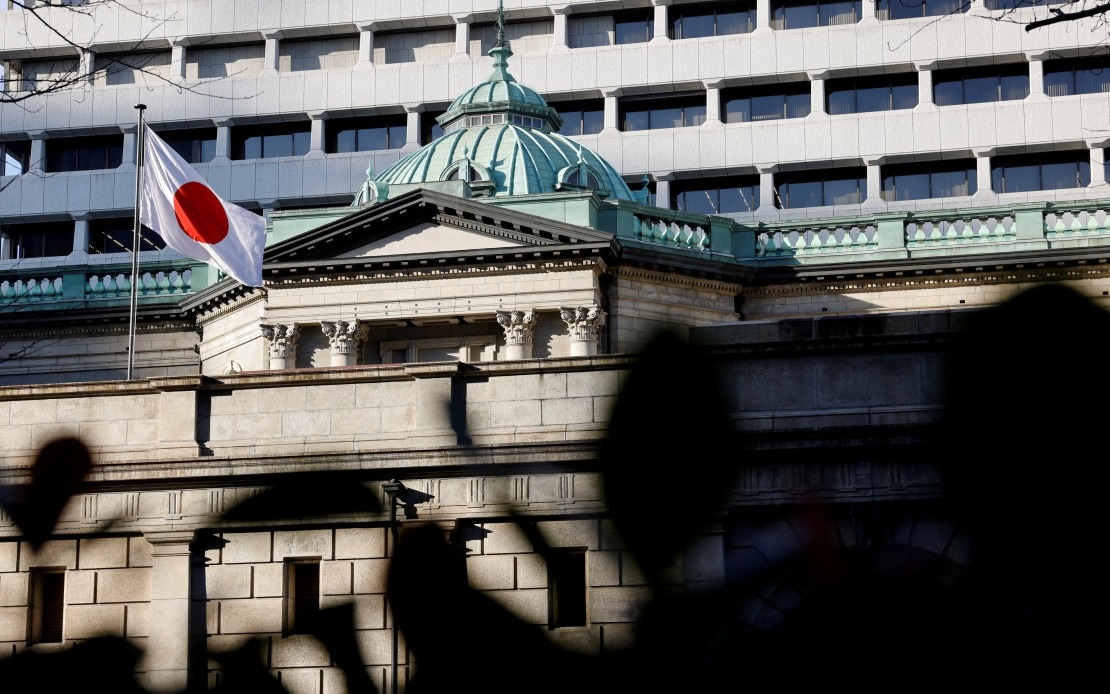
Japan's newly enacted legislation prohibiting the desecration of its national flag has reopened a contentious global conversation about the proper boundaries between protecting the symbols of nationhood and preserving fundamental freedoms of expression. The move reflects broader tensions playing out across democracies worldwide, where governments continue to grapple with how to define and defend national identity without encroaching on civil liberties that citizens hold dear.
Within Japan itself, the legislation has drawn criticism from those concerned about its potential to reinforce increasingly vocal right-wing movements. Social media discussions have surfaced worries that the law creates space for the propagation of nationalist ideology, with some observers characterising Prime Minister Sanae Takaichi's administration as fostering what they describe as supremacist sentiment. These concerns reflect anxieties that emerge whenever democracies introduce restrictions on symbolic expression, particularly in contexts where historical nationalism retains controversial resonance.
Germany presents an instructive comparison. The country criminalises not merely flag desecration but also offensive conduct directed at the national anthem and related patriotic symbols. Those found guilty face potential imprisonment of up to three years, with sentences extending to five years when authorities establish intent to undermine constitutional principles. Germany's approach stems partly from its historical experience: following World War II division, West Germany exercised considerable restraint in flag deployment, viewing overt nationalism with wariness born from recent history. Only after hosting the 2006 FIFA World Cup did public flag-flying become normalised, yet this symbolic reclamation has become complicated by association with anti-immigration movements that critics argue weaponise the flag to project exclusionary nationalism.
France similarly protects its iconic blue, white and red tricolour through statutory law, treating the flag as embodying republican ideals of liberty, equality and fraternity. Public destruction or disrespectful treatment constitutes an offence. Yet France's legal approach reflects a country where the flag symbolises civic values transcending ethnic nationalism, a distinction that shapes how restrictions on its desecration are popularly understood and justified.
Iran's situation illuminates how flag law intersects with religious doctrine and geopolitical instability. While lacking explicit legislation targeting flag desecration, authorities have moved toward intensified penalties following anti-government demonstrations. Since the national flag incorporates the word Allah, damaging it carries connotations of religious transgression. Notably, Iran's leadership has generally resisted large-scale crackdowns, presumably calculating that enforcing such measures could inflame internal divisions during heightened tension with the United States.
China enforces particularly stringent penalties, prescribing up to three years imprisonment for flag-related offences. The regime integrates flag protection within broader patriotic education frameworks, exemplified by the daily flag-raising ceremony at Beijing's Tiananmen Square. Individual cases demonstrate enforcement rigour: a Tianjin resident received a two-year sentence in 2017 for slashing 66 flags at a residential complex, while another individual in Qinghai faced administrative detention for using the national flag as window dressing. These cases reflect state commitment to symbolic nationalism as a governance tool.
The United States occupies a distinctive position. As a nation fundamentally shaped by immigration and ideological pluralism rather than ethnic homogeneity, America has historically integrated the flag into narratives of national unity transcending background difference. Flag burning emerged as a Vietnam War protest tactic, and the 1989 US Supreme Court decision in Texas v. Johnson established that such acts constitute protected speech under First Amendment principles. Yet this settled constitutional question faces renewed pressure: former President Donald Trump issued an executive order last August directing the Justice Department to prosecute flag desecration and related conduct, signalling that the American consensus remains fragile.
South Korea demonstrates how flag protection can coexist with democratic governance while remaining contentious. Legislation criminalises flag damage undertaken with intent to insult the state, prescribing maximum sentences of five years imprisonment. Yet advocates for civil liberties argue the law excessively constrains expression rights, highlighting the persistent friction between national symbol protection and individual freedoms even in functioning democracies.
For Malaysian readers, Japan's legislation offers relevant lessons. Southeast Asia encompasses nations navigating similar tensions between fostering national cohesion and protecting democratic space. Malaysia's own history of managing competing identities and symbols within a multicultural framework means the philosophical questions underlying Japan's decision resonate directly. How should nations distinguish between legitimate protection of national symbols and overreach that chills legitimate dissent or political expression? The divergent approaches globally suggest no universal answer exists; outcomes depend heavily on specific historical contexts, dominant political ideologies, and the maturity of democratic institutions.
Japan's action ultimately reflects a broader rightward political shift evident across democracies. Whether such measures genuinely protect national dignity or represent incremental restrictions on freedom remains contested. The international experience suggests that flag protection laws occupy an awkward space: they typically enjoy public support when framed as defending national honour, yet they simultaneously introduce legal jeopardy for symbolic expression that democratic theory traditionally safeguards. As nations worldwide reassess the boundaries between national identity and individual liberty, Japan's decision will likely influence similar legislative efforts in neighbouring countries wrestling with comparable pressures and philosophies.

