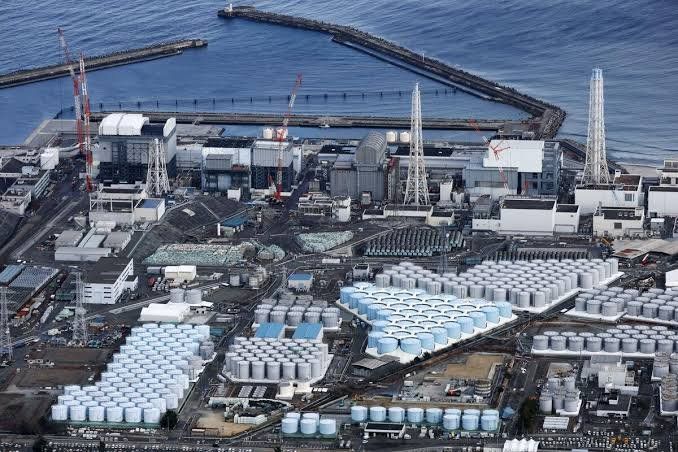
Japan's largest utility company, Tokyo Electric Power Company Holdings Inc., reached a significant milestone on August 24 when it concluded its third year of systematically discharging treated radioactive water from the damaged Fukushima Daiichi nuclear facility into the Pacific Ocean. The cumulative volume released across 22 separate operations now stands at 172,700 tonnes, marking substantial progress in addressing one of the most contentious environmental and diplomatic issues facing Japan since the 2011 catastrophe.
The discharge programme has achieved its primary engineering objective of reducing the burden on the plant's ageing storage infrastructure. Tank capacity previously consumed by treated water has decreased by 7.6 per cent, bringing the total inventory down to approximately 1.24 million tonnes. More significantly, TEPCO has demolished 17 of roughly 1,000 storage tanks after safely emptying their contents, enabling the operator to reclaim physical space at the site necessary for critical decommissioning work. The company projects completion of the entire discharge operation by 2051, aligning with the broader timeline for dismantling the crippled reactor complex.
The water release strategy emerged from Japanese government deliberations in April 2021 as an essential component of the plant's long-term restoration. Officials determined that continuously storing massive volumes of treated water represented an inefficient use of limited space and prevented installation of the advanced facilities required to extract molten reactor debris from the facility's interior. Following a devastating earthquake and tsunami that triggered the original meltdown in 2011, the Fukushima plant generates approximately 60 tonnes of radioactive wastewater daily after the water used to cool damaged fuel has made contact with contaminated materials. Rather than accumulating indefinitely in tanks, this water undergoes purification through sophisticated liquid processing technology before being diluted with seawater to concentrations below one-fortieth of Japan's established safety thresholds. The final effluent enters the ocean from a discharge point positioned one kilometre offshore.
International regulatory oversight has accompanied every phase of the discharge programme. The International Atomic Energy Agency, alongside Japan's own regulatory authorities and TEPCO monitoring systems, continuously examines the water quality and environmental impact. Critically, comprehensive analysis to date has detected no anomalous tritium concentrations in surrounding seawater or marine organisms harvested from adjacent zones, providing evidence supporting Japan's technical assertions regarding the safety of the processed water. This ongoing international validation has sought to address public concerns, though perceptions of nuclear risk often diverge significantly from measured scientific data.
Operational capacity has gradually increased as TEPCO refined its procedures. Four separate discharge operations occurred during fiscal 2023, while both fiscal 2024 and 2025 each witnessed seven releases. Recent modifications enabling continuous tank transfers have permitted eight releases planned for fiscal 2026, with four already executed by August. Each release batch comprises approximately 7,800 tonnes, enabling predictable and manageable environmental integration rather than large sudden volumes.
The discharge programme's profound diplomatic dimensions have substantially complicated its implementation. China, historically Japan's preeminent market for seafood exports, imposed a comprehensive import ban beginning on August 24, 2023—the same day TEPCO initiated releases. Although Beijing announced conditional modifications to this restriction in June 2024, permitting imports except from ten prefectures including Fukushima itself, the country has maintained an effective operational embargo. Japanese officials attribute this continued restriction to escalating tensions surrounding Prime Minister Sanae Takaichi's November 2024 statements suggesting potential Japanese involvement should conflict emerge over Taiwan's political status. The trade restrictions represent a significant economic consequence extending well beyond the nuclear facility itself, affecting Japan's broader export competitiveness in its largest Asian market.
Trade barriers persist in additional jurisdictions beyond China's borders. Russia sustains import prohibitions on Japanese seafood, while various other nations and territorial authorities maintain selective restrictions. These measures, though ostensibly justified by radiological concerns, often reflect broader geopolitical considerations or domestic political pressures rather than scientific assessment. For Malaysian traders and regional businesses developing seafood supply chains, these trade patterns create market volatility and complicate sourcing decisions, particularly for operators seeking reliable access to premium Japanese products.
The financial consequences of these trade disruptions have necessitated substantial compensation arrangements. TEPCO has disbursed approximately 92.8 billion yen (US$585 million) across roughly 1,100 documented claims from affected businesses as of August 5. The compensation profile reveals the economic damage's primary victims: operators engaged in exporting scallops and sea cucumbers to China and Hong Kong represent the majority of claimants, reflecting the devastation wrought by Beijing's import cessation on Japan's high-value marine product industries. These figures represent only documented, compensated losses and likely underestimate the full economic footprint of the trade restrictions.
TEPCO's senior leadership has emphasised the technical competence and safety record of the discharge operations. Akira Ono, the company's chief decommissioning officer, stated at a recent press conference that releases have proceeded without incident, while pledging renewed commitment to transparency and comprehensive compensation for affected stakeholders. This messaging reflects the operator's dual challenge of maintaining operational credibility while navigating an environment where technical proficiency and political acceptance frequently diverge.
For Malaysia and Southeast Asia's broader business community, the Fukushima situation illustrates the interconnected nature of global trade, environmental regulation, and diplomatic friction. The episode demonstrates how scientific determinations regarding environmental safety can intersect with political tensions, creating trade disruptions affecting countries distant from the original issue. Malaysian seafood processors and traders monitoring supply chain alternatives have witnessed firsthand how geopolitical dynamics reshape international commerce, suggesting prudent diversification of sourcing locations and market destinations.

