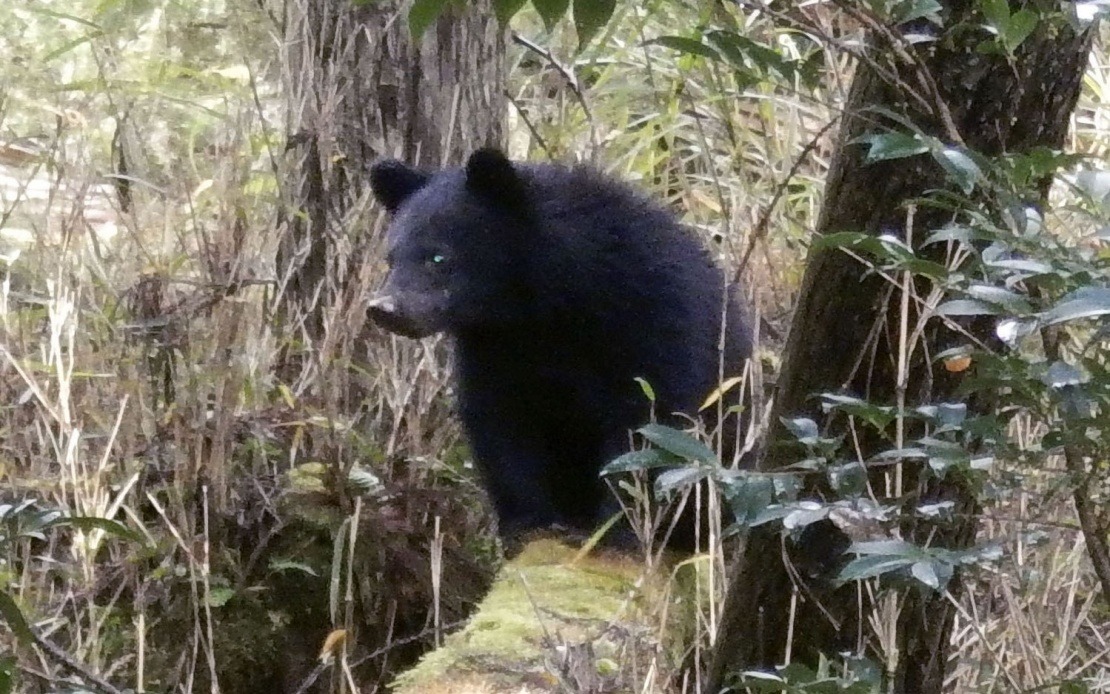
Japan's mushrooming wildlife crisis is taking an unexpected toll on the very officials tasked with managing it. According to a survey by the Ministry of Internal Affairs and Communications, more than four in ten local governments dealing with the nation's unprecedented surge in bear encounters have become targets of hostility, receiving abusive complaints or enduring exhausting telephone calls that stretch beyond reasonable limits.
The scale of the problem became apparent when the ministry surveyed 40 prefectural and municipal authorities across the country. Among them, 17 local governments confirmed that the volume and intensity of public complaints regarding bear management have significantly disrupted normal administrative operations. These municipalities are now openly calling on Japan's central government to establish comprehensive response guidelines, signalling that existing protocols are inadequate for the current crisis.
The harassment takes multiple forms. Ten of the seventeen affected local governments reported handling complaints requiring extraordinarily lengthy engagement—phone conversations lasting more than an hour or more—with irate citizens demanding explanations or expressing outrage at decisions. A separate group of five municipalities were swamped with digital complaints, with residents flooding their websites and email systems with messages expressing fury at bear management decisions.
The vitriol embedded in these communications reveals deep societal divisions over wildlife policy. Some callers have demanded "Don't you ever kill bears!" in strident terms, while others make contradictory demands such as "Why didn't you kill it?" after authorities captured and released a bear. In particularly striking cases, individuals have made repeated demands to speak directly with governors, refusing to accept explanations from lower-ranking staff. One municipality described being inundated with hostile online comments immediately after a captured bear was released, suggesting that official announcements themselves trigger coordinated waves of public anger.
The situation has deteriorated to the point where individual employees face personal targeting. One local government reported that a staff member handling bear-related issues became the focus of an activist campaigning for wildlife protection. This person was photographed without consent and the images were subsequently posted online, a troubling escalation that transforms professional disagreement into personal intimidation. Such tactics place frontline workers in an untenable position, balancing their duties to manage wildlife risk while becoming subjects of public surveillance and potential harassment campaigns.
The timing of these revelations is significant given the unprecedented wildlife pressure Japan currently faces. Government data released alongside the survey shows that Japan recorded more than 50,000 bear encounters during the twelve-month period ending March, representing a staggering milestone—the figure has doubled compared to the previous year. This exponential increase in human-bear interactions, driven by factors including habitat loss, food scarcity in forests, and encroaching urbanisation, has created genuine public safety concerns alongside genuine conservation concerns.
The dual crisis—managing actual wildlife risk while handling public backlash—has created an impossible burden on municipal staff. A ministry official acknowledged the crisis plainly, stating that "measures are needed to reduce the burden on frontline staff." This statement recognises that workers managing bear encounters are simultaneously facing unprecedented wildlife management demands while being subjected to abusive communication from segments of the public who hold passionate but often contradictory views about bear conservation and culling policies.
For Southeast Asian observers, Japan's experience offers instructive lessons. The region faces its own wildlife management challenges, from elephant-human conflict in Thailand and Myanmar to tiger conservation disputes across multiple countries. Japan's experience demonstrates that successful wildlife management requires not only effective field operations but also robust communication strategies and public support systems. When government officials become targets of harassment, the entire policy apparatus becomes compromised, regardless of how technically sound the decisions may be.
The Ministry of Internal Affairs and Communications' decision to conduct and publicise this survey suggests Japanese policymakers recognise that sustainable solutions to the bear crisis must address both the wildlife management dimension and the public administration dimension. Without protecting staff from harassment and without developing national guidelines that can withstand public scrutiny, local governments will continue struggling to function effectively.
The central government now faces pressure to act on multiple fronts: developing coherent bear management protocols that can be explained and defended, providing psychological support and legal protection to harassed staff, and fostering broader public dialogue about the complexities of human-wildlife coexistence in increasingly urbanised societies. The survey results indicate that ignoring the administrative and social dimensions of wildlife management ultimately undermines the conservation objectives themselves, as demoralised staff cannot deliver effective, compassionate, or sustainable outcomes.

