A Japanese retail company has admitted fault in a tragic incident at an Aeon shopping mall in Kumamoto Prefecture that claimed the lives of two employees who had safely evacuated following a powerful earthquake. The admission marks a significant moment of corporate accountability in a disaster that has devastated the southwestern prefecture and raised uncomfortable questions about workplace safety protocols during natural emergencies.
The disaster unfolded on Tuesday when Kumamoto was struck by a magnitude 7.1 earthquake, registering at the highest level on Japan's seismic intensity scale. The violent shaking triggered a massive explosion that tore through the Aeon Mall Kumamoto building in Kashima Town, claiming seven lives in total. Among the victims were two employees of Habita, the variety store chain operator, who had initially made it to safety after the initial tremor but were subsequently drawn back into the danger zone by their employer.
Habita's management has now come forward to take responsibility for the catastrophic decision. Koji Yuse, the 64-year-old sales manager at the Kumamoto-based company, disclosed on Monday that he had personally instructed the store manager to send the two workers back into the building to transfer that day's cash receipts from the second-floor store to a safe located on the first floor. The instruction, issued in the immediate aftermath of the earthquake, would prove fatal for at least two staff members, including a 22-year-old woman.
In a statement to reporters, Yuse expressed deep remorse for his actions, saying "I think the order was inappropriate. I deeply regret it." This acknowledgment, while welcomed by those grieving the loss, underscores a troubling reality about workplace hierarchies and the pressure employees face to prioritise company assets over their own safety during emergencies. The two women had already demonstrated sound judgment by evacuating promptly after the earthquake; the subsequent instruction to return overrode their survival instincts and proved disastrous.
The company has taken several steps toward accountability in the aftermath. Habita issued a formal apology to the bereaved families of the deceased employees and provided them with a written account detailing the sequence of events that led to the tragedy. These gestures, while necessary, cannot undo the loss of life or the irreversible harm inflicted on grieving families. For Malaysian observers, the case serves as a stark reminder of how corporate culture and decision-making hierarchies can sometimes override basic human safety considerations, even in developed nations with sophisticated disaster-response systems.
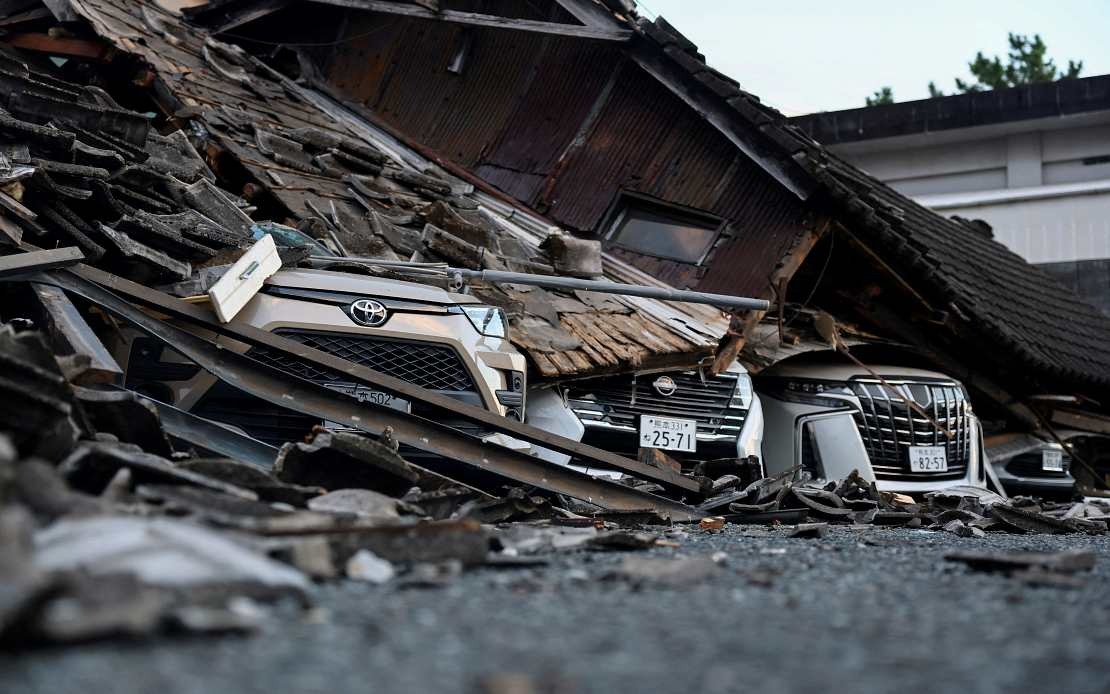
The broader disaster in Kumamoto Prefecture has been severe. The Kumamoto prefectural government reported that as of Tuesday morning, 36 people had been confirmed dead as a direct result of the earthquake, with two additional deaths still under investigation. The explosion at the Aeon mall represented one of the most tragic single incidents within this larger catastrophe, amplifying the human cost and the need for careful examination of what went wrong.
This incident raises important implications for workplace safety cultures across Asia. The tension between protecting company property and protecting human life is rarely resolved in such stark, immediate terms as occurred at the Kumamoto mall. Yet the decision to send evacuated employees back into a building immediately after a catastrophic earthquake—regardless of the financial value of the goods—represents a fundamental failure in prioritising employee welfare. In Malaysia and throughout Southeast Asia, where rapid economic development has sometimes outpaced the establishment of robust worker protections, this case offers a cautionary tale about the dangers of unchecked managerial authority during crisis situations.
The incident also highlights the vulnerability of retail workers, who are often among the first to face difficult choices between following orders and ensuring their own safety. Many such workers occupy lower rungs of corporate hierarchies and may feel unable to question management instructions, even when those instructions place them in obvious danger. The Habita case demonstrates how this power imbalance can have fatal consequences when combined with poor emergency decision-making by supervisors.
Japan's strong regulatory environment and culture of corporate responsibility typically result in thorough investigations and meaningful reforms following such incidents. However, this case serves as a reminder that even wealthy, technologically advanced nations with mature safety infrastructure cannot guarantee protection from human error and poor judgment. For companies operating across Asia, the lesson is clear: safety protocols during natural disasters must explicitly prioritise human life over property, and those protocols must be understood and respected by all levels of management.
The path forward for Habita will likely involve not only compensation for the families of the deceased but also a comprehensive overhaul of emergency procedures. Such measures should include clear guidelines preventing employees from re-entering buildings after evacuation, mandatory safety training for managers, and perhaps most importantly, a cultural shift that values worker safety above financial considerations. The human cost of the Kumamoto earthquake has already been measured in dozens of lives; the tragedy at the Aeon mall stands as a sobering reminder that preventable deaths can occur even when survival is within reach.

