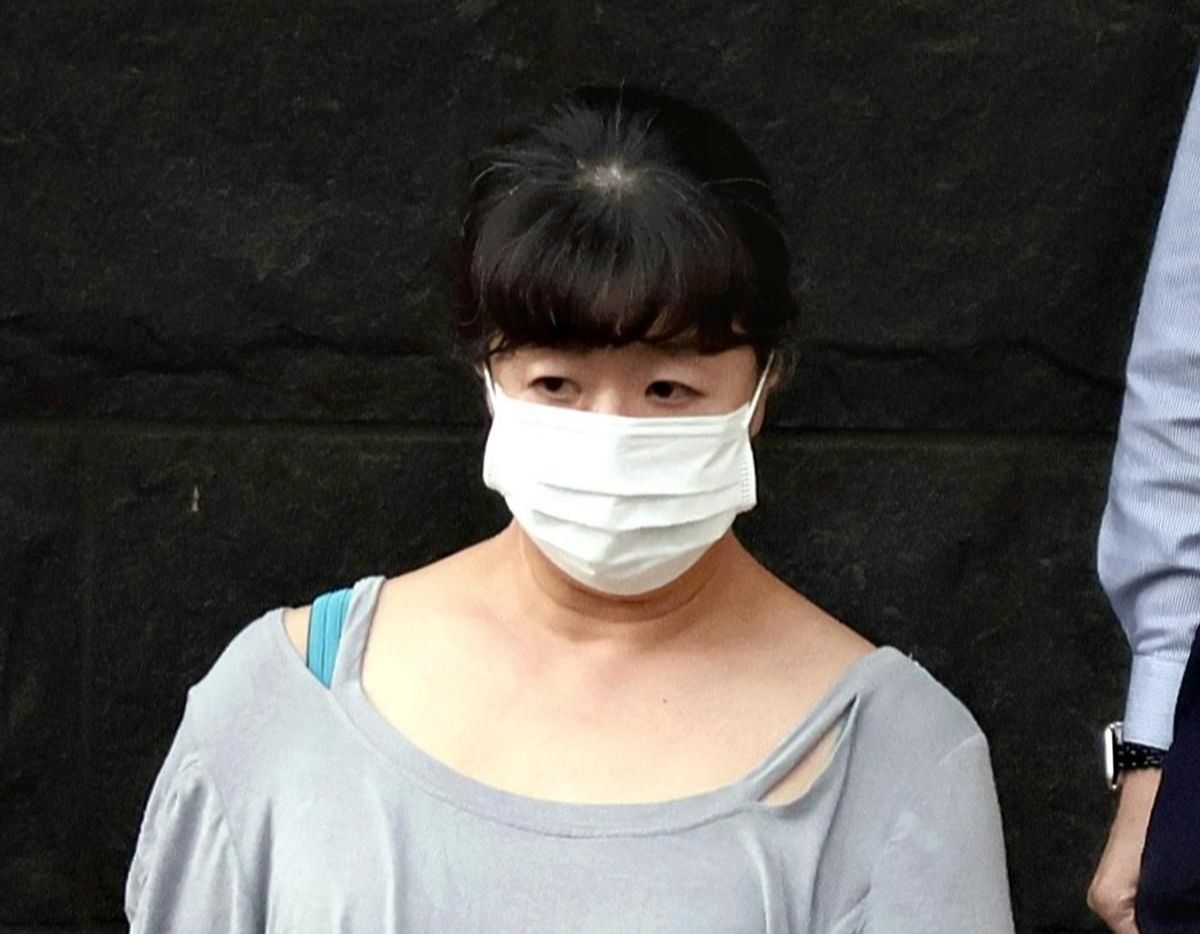
A midwife in Japan's Chiba Prefecture was taken into custody on Wednesday following allegations that she deliberately contaminated a hospital patient's intravenous line, resulting in the man's death. Miyuki Furukawa, 51, from Kashiwa, was arrested on suspicion of murder in connection with the death of a 75-year-old resident of nearby Toride, Ibaraki Prefecture at Kashiwa Tanaka Hospital.
According to investigative reports, the suspect allegedly inserted faecal matter into the extension tubing of the patient's IV drip in the early morning hours of January 30, administering the contaminated line at approximately 3.55am. The elderly patient subsequently deteriorated and died the following evening at around 10.30pm on January 31, less than 21 hours after the alleged contamination.
The case represents an extraordinarily rare instance of deliberate sabotage within a clinical setting and has prompted serious soul-searching within Japan's healthcare sector regarding patient safety protocols. Kashiwa Tanaka Hospital, where the incident allegedly occurred, and broader medical oversight bodies are now reviewing how such a breach of fundamental care standards could have occurred undetected for so long.
For Malaysian healthcare practitioners and hospital administrators, this case underscores a critical vulnerability in hospital management systems: the gap between established protocols and their consistent implementation. Although healthcare staff undergo background checks and credential verification before employment across Southeast Asian nations, including Malaysia, incidents of deliberate patient harm by medical personnel remain statistically uncommon yet consequential when they do occur.
Japanese police authorities in Chiba Prefecture are currently investigating Furukawa's motive and examining whether other patients under her care may have suffered similar treatment. The investigation's scope suggests investigators suspect this may not have been an isolated incident, though no additional confirmed cases have been publicly reported at this stage.
The incident raises significant questions about supervision within hospital wards, particularly during overnight shifts when staffing levels are typically reduced and monitoring is less intensive. Ward management structures in Malaysian hospitals similarly face similar pressures during night shifts, where reduced personnel must manage multiple patients simultaneously. Healthcare facilities across the region may now face pressure to enhance observation protocols and implement additional safeguards against deliberate tampering with patient care equipment.
Intravenous contamination represents a particularly insidious form of patient harm because IV lines deliver medications and fluids directly into the bloodstream, bypassing the body's natural protective mechanisms. This direct access to the circulatory system means contaminated material can cause rapid systemic infection or other catastrophic physiological responses, explaining the accelerated deterioration and death in this case.
The case also highlights the importance of maintaining comprehensive chain-of-custody protocols for all medical equipment and supplies. Many Southeast Asian hospitals, including those in Malaysia, have been progressively upgrading their inventory management systems and staff credentialing processes, yet this incident demonstrates that systemic vulnerabilities can persist despite apparent safeguards.
Miyuki Furukawa has been formally charged with murder, and the Chiba prefectural police investigation continues into potential motivations for her alleged actions. Understanding why a healthcare professional would deliberately harm a patient is crucial not only for this specific case but for developing prevention strategies across hospital systems throughout Japan and internationally.
For the broader healthcare community across Malaysia and Southeast Asia, this case serves as a sobering reminder that maintaining patient safety requires constant vigilance at all institutional levels. Hospitals must balance accessibility and workflow efficiency with security measures that prevent deliberate interference with patient care. Many Malaysian hospitals are likely to review their own protocols for monitoring vulnerable patients and securing medical equipment in light of this case.
The incident also raises questions about psychological screening and ongoing mental health support for healthcare workers, factors that are increasingly recognised as vital components of healthcare system integrity. Staff experiencing burnout, mental health crises, or personal grievances may pose risks to patient safety that conventional background checks cannot identify.
As the Chiba prefectural police investigation progresses, Japanese authorities will be examining not only how this crime occurred but also what systemic failures allowed it to persist. The findings will likely influence healthcare management practices throughout Japan and potentially across the wider East Asian region, with implications for how Malaysian hospitals approach patient safety protocols and staff oversight.

