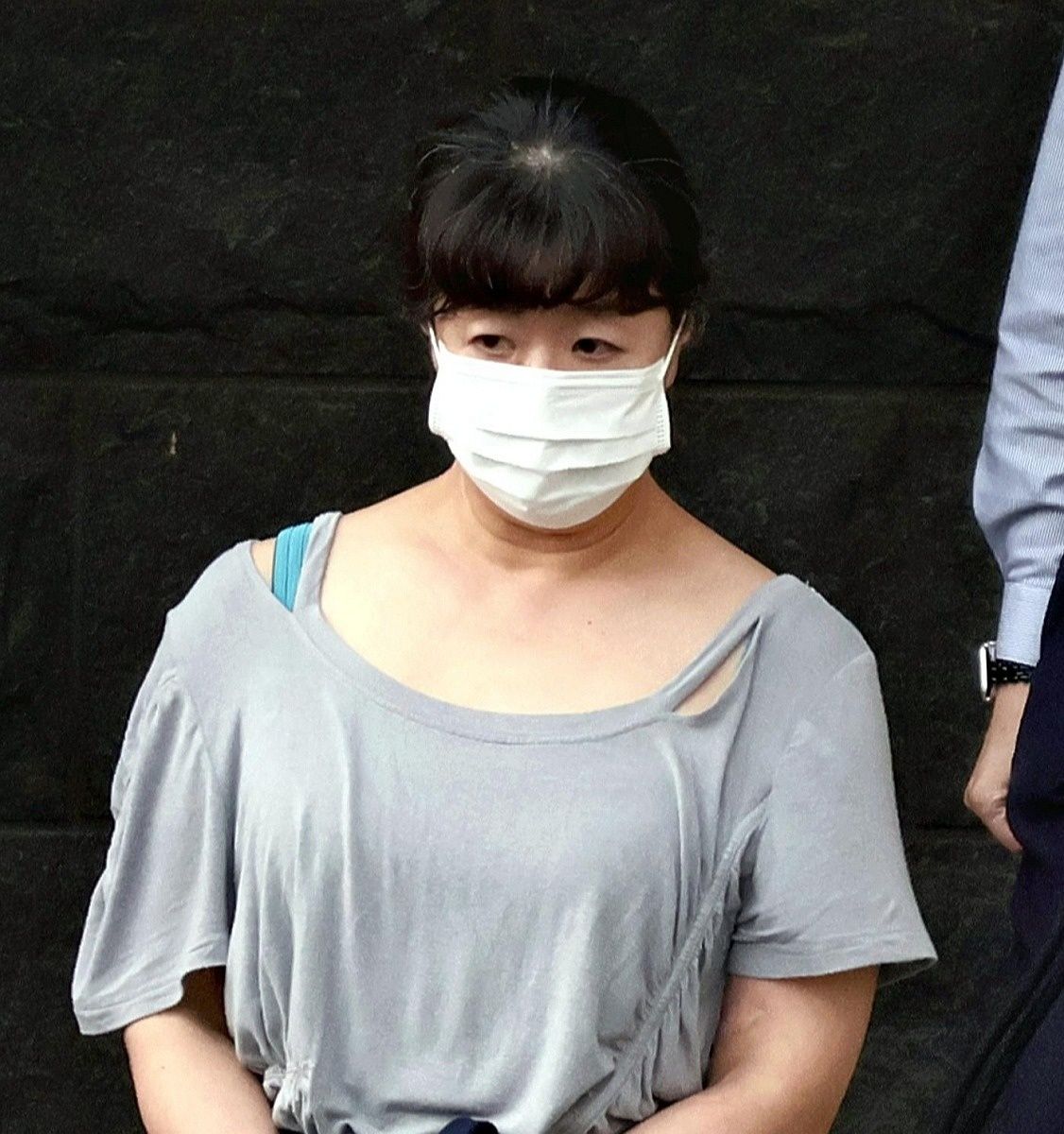
A 51-year-old woman has been arrested in connection with the death of a patient at a Japanese hospital following what authorities suspect was deliberate contamination of medical equipment. Miyuki Furukawa, a resident of Kashiwa in Chiba Prefecture, was taken into custody on Wednesday, July 15, on suspicion of killing Eiji Aida, 75, through the insertion of faecal material into his intravenous drip extension tube at Kashiwa Tanaka Hospital in early 2025. The arrest marks a significant development in a case that has raised serious questions about patient safety protocols within Japanese healthcare facilities and the potential for harm by trusted medical personnel.
The suspected incident occurred in the pre-dawn hours of January 30, with the contamination allegedly taking place around 3.55am while Aida was receiving IV treatment. At that time, Furukawa held the position of head nurse overseeing the night shift at the facility. Hospital security footage corroborates her movements in and out of the patient's room during the critical period, establishing her presence at the location. The sequence of events following the alleged contamination paints a troubling picture of how quickly the patient's condition deteriorated after exposure to the potentially harmful substance.
Aida's medical situation took a sharp turn for the worse after the alleged incident, and he was pronounced dead the following evening at approximately 10.30pm on January 31. Medical examination determined that the patient died from multiple organ failure that had been triggered by sepsis, a life-threatening condition caused by the body's overwhelming response to infection. Crucially, laboratory analysis of Aida's blood revealed the presence of bacteria commonly found in human faecal matter, providing a critical link between the contamination and the fatal infection that ravaged his organs.
Discovery of the alleged tampering came through the vigilance of a colleague at the hospital. On February 1, another staff member observed that the interior of the IV extension tube had taken on a distinctly brown colouration, an obvious indication that something abnormal had occurred. This alert employee immediately reported her observations to Kashiwa Police, stating that there was a clear possibility that a foreign substance had been deliberately introduced into the medical apparatus. This timely report effectively transformed what might have remained an unexplained medical complication into a criminal investigation.
Police inquiries have uncovered several troubling details that suggest premeditation or at minimum deliberate intent. Investigative sources revealed that Furukawa and Aida had engaged in some form of argument or disagreement prior to the incident, establishing a potential motive rooted in personal conflict. More damaging to the defence is evidence that Furukawa had conducted searches on her personal smartphone for the specific phrase "faeces injection — Will [he] die?", a search that appears difficult to explain away as innocent inquiry and instead suggests deliberate planning or research into lethal methods.
When questioned by authorities, Furukawa has denied the allegations against her, stating flatly, "I deny inserting faeces into the tube." This categorical denial, however, stands in sharp contrast to the circumstantial evidence that has accumulated during the investigation, from the security footage to her suspicious online searches to her proximity to the patient during the critical timeframe. The weight of evidence presented to prosecutors appears sufficient to have justified her arrest, though the investigation into her precise motivations and the exact sequence of events remains ongoing under the direction of Chiba prefectural police.
Furukawa's employment history adds another dimension to the case. She had left her position at Kashiwa Tanaka Hospital at the end of February, roughly a month after the patient's death and shortly after the alleged contamination was discovered. By the time of her arrest in mid-July, she had secured a new position as a midwife at a hospital in Tokyo, meaning she had continued working in the healthcare sector despite the ongoing investigation into her conduct. The fact that she remained employed in a sensitive healthcare role for several months after the suspicious death raises questions about whether background checks or information sharing between facilities could have prevented her continued work with vulnerable patients.
The hospital operating Kashiwa Tanaka Hospital, identified as Aoikai, has issued a statement acknowledging the gravity of the situation. The organization characterised the alleged actions as "absolutely unforgivable" both from the perspective of professional standards within medical institutions and basic human decency. Aoikai pledged full cooperation with the police investigation and expressed commitment to uncovering the complete facts surrounding the incident. This response reflects the reputational damage such cases inflict on healthcare providers and the institutional imperative to demonstrate transparency during criminal investigations that involve their facilities.
The case carries significant implications for healthcare safety protocols across Japan and the broader East Asian region. While healthcare-associated deaths and patient safety failures often stem from systemic issues, equipment failures, or honest mistakes, deliberate harm inflicted by medical personnel represents a particularly disturbing category of institutional failure. The case raises uncomfortable questions about screening processes for healthcare workers, supervision protocols on night shifts when oversight may be reduced, and whether adequate safeguards exist to prevent access to vulnerable patients by individuals with concerning behavioural patterns or suspicious online activities.
For Malaysian healthcare providers and administrators, this case offers important lessons about the necessity of robust monitoring systems, comprehensive background investigations for medical staff, and serious attention to interpersonal conflicts within healthcare teams that might signal deeper problems. The case also underscores the critical importance of encouraging staff to report suspicious observations without fear, as the early alert from Furukawa's colleague provided the foundation for the entire investigation. The legal proceedings against Furukawa are likely to reveal further details about how such a breach of medical ethics and patient trust could occur within a modern hospital environment and what systemic failures may have enabled the alleged conduct.

