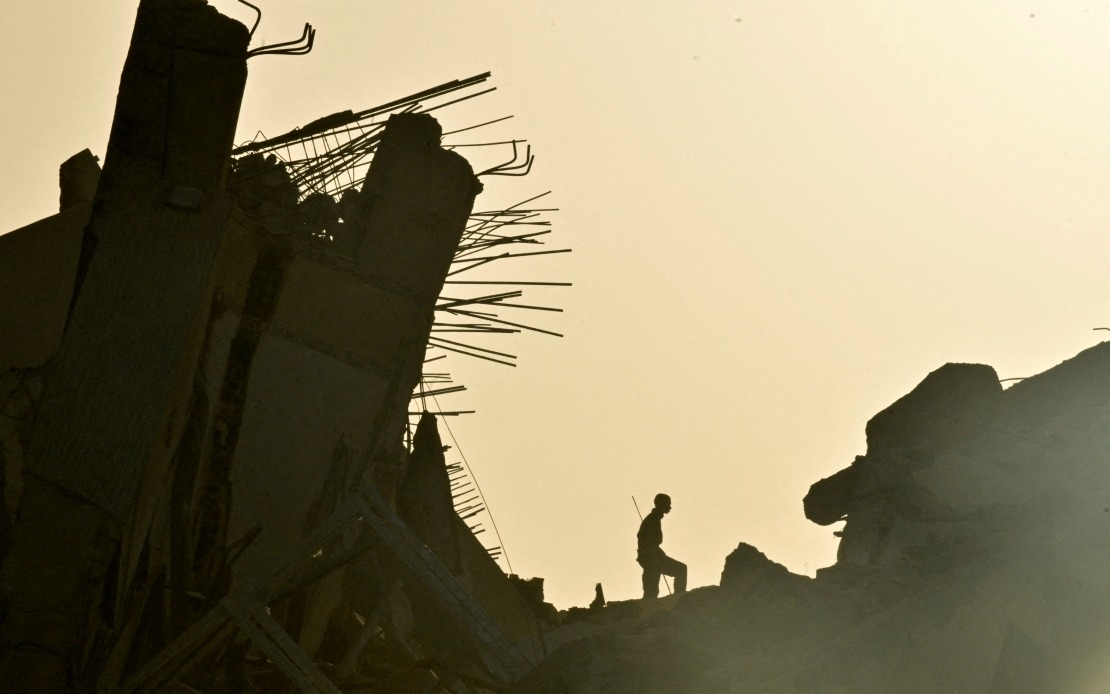
Japan announced on Friday that it will contribute US$3.5 million in emergency grant assistance to bolster humanitarian operations in Venezuela following the country's catastrophic twin earthquakes, according to Foreign Minister Toshimitsu Motegi. The financial commitment represents Tokyo's expanding engagement with disaster recovery efforts in the Latin American nation, reflecting Japan's broader commitment to international humanitarian assistance across diverse regions.
Motegi revealed the pledge during a press briefing in Tokyo, emphasizing that the funds would flow through established international organisations to ensure efficient distribution. The allocated resources will specifically target food provision, medical supplies and services, temporary housing solutions, and other critical necessities for populations affected by the seismic disasters. This multilateral approach through international channels reflects standard Japanese practice in delivering aid during complex humanitarian crises where infrastructure may be compromised and coordination with multiple stakeholders becomes essential.
The Japanese government simultaneously announced the deployment of a second dedicated disaster relief medical team to Venezuela, expanding its on-ground response capabilities. This personnel deployment complements the financial assistance and addresses urgent medical requirements persisting in earthquake-affected regions, where healthcare systems typically face severe strain following major natural disasters. The medical teams provide both immediate treatment and capacity-building support for local health facilities struggling with overwhelming demand.
The twin earthquakes struck Venezuela on June 24, triggering a humanitarian emergency that has claimed more than 3,000 lives and displaced countless families. The scale of destruction stretched Venezuela's already fragile infrastructure and public services to breaking point, creating cascading crises across health, water, sanitation, and shelter sectors. Such compound disasters in nations with existing economic difficulties present exponentially greater challenges for recovery and reconstruction.
Japan's response has evolved progressively since the initial impact. On June 30, Tokyo authorised the dispatch of emergency relief supplies to address immediate shortages. Three days later, on July 1, Japan approved the deployment of its first medical disaster relief team, establishing an initial foothold for direct humanitarian intervention. The July 10 announcement of additional funding and a second medical team represents a deliberate escalation of commitment as the scope of the disaster became clearer and longer-term needs emerged.
Motegi stated that Japan remains committed to providing sustained assistance as Venezuela confronts the prolonged recovery process ahead. He underscored the importance of sustained international cooperation, noting that earthquake recovery extends far beyond initial emergency response into months and years of reconstruction and rehabilitation. For Southeast Asian nations with their own seismic vulnerabilities, Japan's coordinated approach—combining financial resources, medical personnel, and coordination with international organisations—offers a relevant model for disaster response architecture.
The commitment reflects Japan's strategic positioning as a reliable humanitarian partner, particularly in addressing natural disasters where Tokyo possesses substantial technical expertise and established protocols. Japan has frequently deployed medical teams and supplied emergency aid following major earthquakes globally, leveraging experience accumulated from its own frequent seismic experiences. This humanitarian engagement also carries diplomatic dimensions, strengthening Japan's relationships with Latin American nations and enhancing Tokyo's profile as a responsible global actor.
For Malaysian observers, Japan's structured approach to disaster assistance carries instructive elements. The combination of rapid-response supplies, deployed medical expertise, financial grants channelled through international organisations, and sustained commitment recognises that earthquake recovery unfolds across different phases requiring different interventions. Malaysia's own disaster preparedness frameworks and ASEAN's regional cooperation mechanisms may benefit from studying how Japan coordinates multiple aid modalities simultaneously.
Motegi emphasised that Japan would collaborate closely with international organisations and humanitarian partners to optimise the effectiveness of the overall international response. This collaborative stance acknowledges that no single nation's efforts can adequately address a disaster of Venezuela's magnitude, and that coordination prevents duplication while maximising resource impact. International organisations such as the United Nations and the International Committee of the Red Cross serve as crucial connectors, aggregating information and ensuring aid reaches the most vulnerable populations.
The Venezuelan government has received support from multiple nations and international bodies, with Japan joining the broader international community mobilising resources. Venezuela's existing economic challenges compound the disaster's impact, as the state possesses limited domestic resources for reconstruction. International assistance therefore becomes critically important for preventing secondary crises emerging from inadequate recovery response.
For developing nations throughout Southeast Asia and the broader Global South, Japan's Venezuela assistance demonstrates how wealthier economies can deploy diplomatic soft power through humanitarian action. Such assistance builds goodwill and strengthens relationships during crises while addressing genuine human suffering. The model also illustrates how nations can balance rapid emergency response with sustained medium-term support, avoiding the common pitfall of initial aid bursts followed by rapid withdrawal as international attention fades.
As Venezuela enters the complex reconstruction phase following the earthquakes, Japan's commitment to sustained engagement signals that international support will extend beyond headlines and immediate emergency coverage. The deployment of medical teams provides both practical assistance and symbolic solidarity with affected populations. The combination of financial resources, technical expertise, and diplomatic coordination that Japan has mobilised offers a comprehensive humanitarian response reflecting Tokyo's experience managing post-disaster recovery in its own earthquake-prone context.

