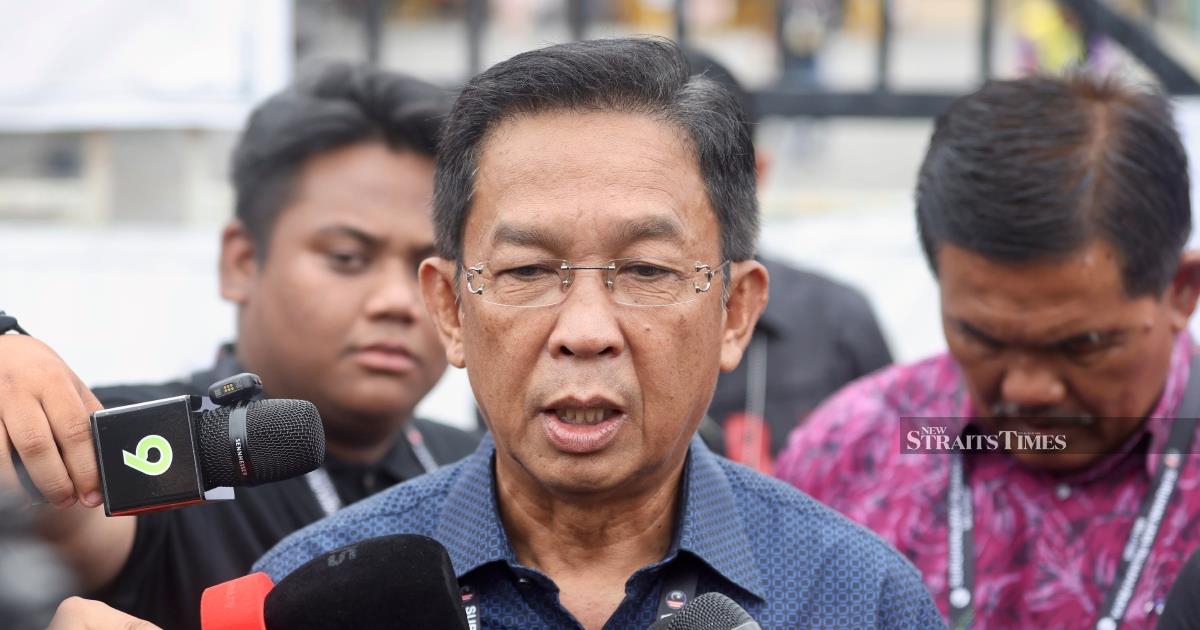
Datuk Seri Jalaluddin Alias, the chairman of the Negri Sembilan Umno Liaison Committee, has provided an explanation regarding his absence from the swearing-in ceremony of the state's new menteri besar at Istana Besar Seri Menanti yesterday. According to his statement, the limited timeframe between notification and the event's commencement made it logistically challenging for him to attend the proceedings.
The absence of a senior party figure from such a significant state-level ceremony naturally drew attention, prompting Jalaluddin to issue the clarification through media channels. His role as the principal liaison officer between Umno's federal machinery and the Negri Sembilan state component typically positions him to participate in major political events within the state, making his non-attendance noteworthy enough to warrant public explanation.
The swearing-in ceremony represented a critical moment in the state's political calendar, marking the formal installation of the new chief executive. Such occasions customarily draw attendance from senior party leaders across all levels of government, serving both symbolic and substantive purposes in reinforcing organizational hierarchy and unity. The timing and context of the event underscored its importance to Umno's governance framework in Negri Sembilan.
Jalaluddin's explanation highlights a broader administrative challenge that occasionally confronts political figures—the coordination and notification processes surrounding major state functions. Short notice situations can arise from various circumstances, ranging from last-minute scheduling adjustments driven by official protocols to unforeseen logistical requirements. In the Malaysian political context, such instances are not uncommon, particularly when ceremonies must accommodate protocols involving the ruler's participation and state machinery coordination.
The incident also reflects how closely scrutinized the attendance patterns of senior party officials have become, particularly during periods of leadership transitions or governmental reorganization. In Negri Sembilan, where Umno maintains significant political influence, the visibility and presence of party leadership during state-level ceremonies carries implications for both internal party dynamics and public perception of organizational cohesion. An unexplained absence can inadvertently trigger speculation about factional tensions or administrative oversights.
Jalaluddin's liaison committee responsibilities place him at the intersection of state and federal Umno structures, a position that demands careful attention to protocol and presence during significant events. His role involves representing federal party interests while maintaining coordination with the state chapter, making his participation in the menteri besar's swearing-in ceremony particularly relevant to the broader functioning of party governance mechanisms in the peninsula.
The explanation provided offers practical context that acknowledges operational realities while maintaining professional standing. By attributing the absence to procedural timing issues rather than deliberate non-participation or organizational discord, Jalaluddin has sought to frame the matter as a logistical matter rather than a political one. This approach is typical among senior party figures keen to avoid speculation about internal party dynamics.
For observers monitoring Negri Sembilan's political landscape, such clarifications often provide windows into how state and federal party structures communicate and coordinate. The efficiency of notification processes, the flexibility of scheduling arrangements, and the participation patterns of senior leaders all contribute to the broader picture of organizational functioning within Malaysia's ruling coalition. Any dysfunction in these administrative frameworks can eventually manifest in more serious political complications.
The incident underscores the importance of clear advance planning for high-profile state ceremonies, particularly those involving constitutional officeholders like menteri besars. Ensuring adequate notification to all relevant stakeholders—including senior party figures—helps prevent situations that could be misinterpreted or generate unnecessary questions about organizational preparedness. In Malaysia's competitive political environment, even minor procedural details can become subjects of public discussion and analysis.
Moving forward, the clarity provided by Jalaluddin's explanation should help minimize further speculation about the circumstances of his absence. His swift response demonstrates awareness of how such matters are perceived within political and media circles. For Umno's functioning in Negri Sembilan, maintaining smooth coordination between state and federal levels remains essential to the coalition's continued effectiveness in managing state affairs and responding to electoral and administrative challenges that periodically emerge.

