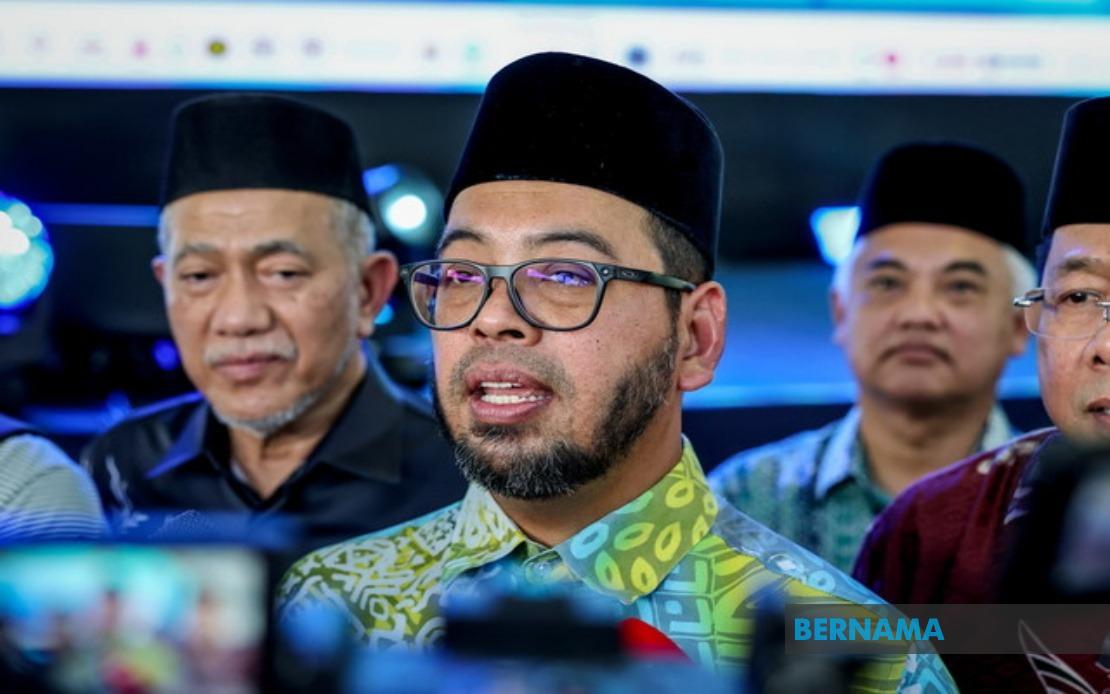
Malaysia's Department of Islamic Development (JAKIM) is moving to establish a comprehensive set of funeral management guidelines that will serve as a reference point for the entire nation, following a recent incident that gained significant traction on social media platforms. Minister in the Prime Minister's Department (Religious Affairs) Dr Zulkifli Hasan announced the initiative during an address at the Multaqa MADANI Ulama and Umara Programme for the Northern Zone held at Masjid Timah in Permatang Pauh on July 5, signalling that the federal government views standardisation of Islamic funeral practices as a priority concern.
The move represents an effort to harmonise practices across Malaysia's diverse state-level regulatory frameworks while acknowledging the autonomy that individual states maintain over religious affairs. Dr Zulkifli explained that while several states have already developed their own internal guidelines for funeral management, JAKIM has identified a critical gap in having a nationally consistent standard that can be adopted or adapted by all regions. This coordination reflects the complexity of Malaysia's federal system, where Islamic religious matters fall partially under state jurisdiction through state Islamic religious departments and councils, yet benefit from centralised guidance and best practices.
According to Dr Zulkifli, the refinement process takes into account contemporary requirements and challenges while remaining mindful of the existing legal frameworks established by individual states. He noted that the foundational elements of such guidelines already exist within various state systems, meaning the task ahead involves consolidating, improving, and expanding these frameworks rather than creating something entirely novel. This pragmatic approach suggests JAKIM recognises that enforcing a one-size-fits-all solution across Malaysia's diverse Muslim communities would be neither feasible nor appropriate, given variations in local customs, cemetery capacities, and administrative practices.
Regarding the timeline for completion, Dr Zulkifli stated that the guidelines should be finalised in the near future, provided they successfully navigate the approval processes of each state government. He expressed confidence that the process would not require an extended period, given that the basic structural foundation is already in place and only requires refinement and enhancement. This measured optimism, however, also implicitly acknowledges the bureaucratic realities of coordinating policy across multiple state authorities, each with their own administrative procedures and legislative requirements.
The initiative was prompted by a recent incident involving funeral arrangements at the Ukay Perdana Muslim Cemetery in Hulu Kelang, Selangor, which sparked widespread discussion on social media about potential delays and inefficiencies in burial processes. The case involved allegations that a body faced an unexplained delay at Masjid Nurul Hidayah in Kampung Pandan Dalam before burial could proceed, raising questions about coordination between religious institutions, burial management organisations, and bereaved families during a time of acute grief and stress.
In response to the Selangor incident, the Selangor Islamic Religious Council (MAIS) directed that an urgent meeting be convened bringing together the deceased's next of kin, representatives from Masjid Nurul Hidayah's management, officials from the Badan Kebajikan Salatulrahim (BKS), and personnel from the Selangor Islamic Religious Department (JAIS). This multi-stakeholder approach underscores the recognition that funeral-related issues cannot be resolved through a single institution acting unilaterally, but rather require transparent dialogue and coordination among all parties involved in the burial process.
MAIS chairman Datuk Salehuddin Saidin framed the meeting as an opportunity to identify the most effective resolution for all parties while simultaneously establishing safeguards to prevent such situations from recurring. His statement suggests that while the immediate incident required urgent attention, the broader systemic issues underlying it demanded deeper examination of how funeral services are organised, communicated, and executed across Selangor's Muslim communities. The emphasis on prevention indicates recognition that Malaysia's Muslim population and their families deserve clarity and efficiency during funeral arrangements.
For Malaysian readers, the implications of this initiative are significant on multiple levels. First, it addresses a genuine public concern: in a multicultural society where religious sensitivities run deep, the funeral process represents one of the most emotionally charged and spiritually important moments for Muslim families. Delays, miscommunications, or perceived mismanagement during this period can cause profound distress and erode public confidence in religious institutions. Second, standardised guidelines could reduce confusion between different stakeholders—bereaved families often do not know which authority to contact or what procedures to expect, and clear guidelines can facilitate smoother processes.
The initiative also reflects broader questions about administrative coordination and transparency in Malaysia's religious governance structures. While state-level autonomy over Islamic affairs is constitutionally grounded, the complexity arising from multiple overlapping authorities—state Islamic religious departments, councils, individual mosques, cemetery management committees, and private burial organisations—can create gaps where families find themselves navigating a confusing bureaucratic landscape during their most vulnerable moments. Standardised guidelines, if properly publicised and implemented, could provide clarity without necessarily infringing on state sovereignty.
Dr Zulkifli's call for calm and unity among all parties involved reflects the delicate political terrain surrounding Islamic religious matters in Malaysia. The viral nature of the Selangor incident demonstrated how quickly funeral-related controversies can escalate into broader discussions about religious authority, institutional competence, and state coordination. By framing the response as a collaborative effort to improve systems rather than an exercise in assigning blame, the minister attempted to maintain institutional credibility while addressing legitimate public concerns.
Looking forward, the success of JAKIM's initiative will depend not only on developing sound guidelines but also on ensuring their widespread dissemination, training of personnel who interact with grieving families, and mechanisms for accountability when standards are not met. Many Malaysian Muslims may not be aware that such guidelines even exist, suggesting that part of the implementation challenge will involve public education. Furthermore, guidelines are only effective if funeral practitioners and religious authorities view them as legitimate and useful rather than as unwelcome impositions from federal bureaucracy.
The effort to standardise funeral management practices also occurs within a broader context of JAKIM seeking to modernise Islamic institutional responses to evolving Malaysian society. As urbanisation continues, family structures change, and social media amplifies isolated incidents into national conversations, religious authorities increasingly must demonstrate that they can provide efficient, compassionate services that reflect both Islamic principles and contemporary standards of transparency and accountability. This initiative suggests JAKIM recognises that maintaining public trust in Islamic institutions requires not just piety but also professional administration.

