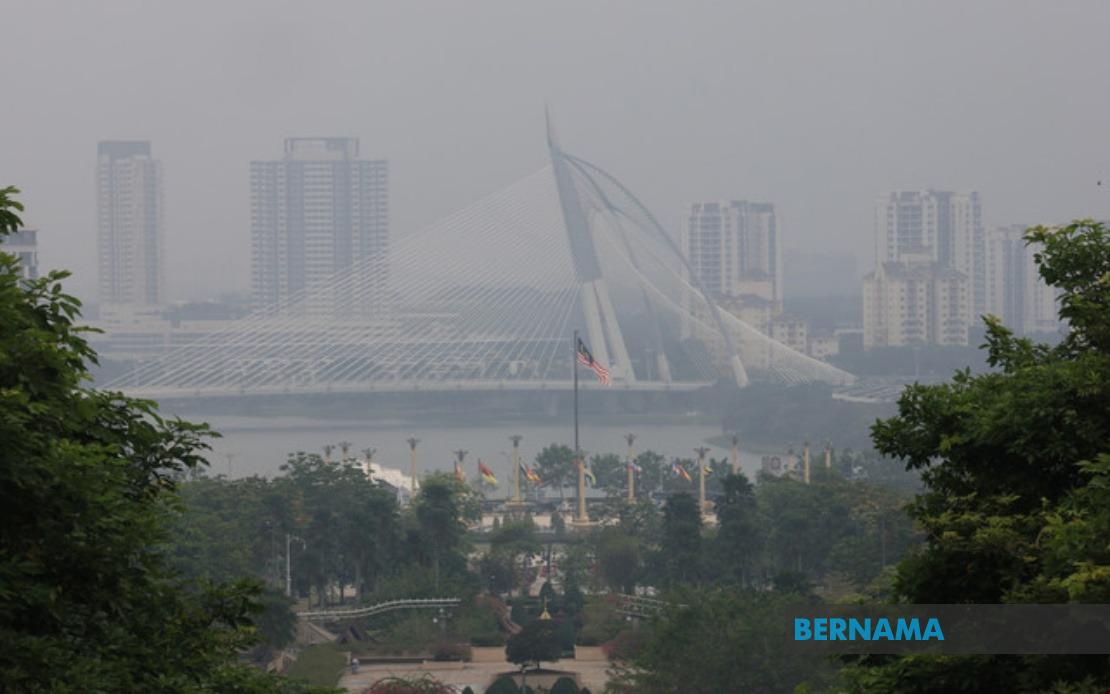
The Department of Islamic Development Malaysia (JAKIM) is organising a nationwide appeal to divine intervention through Solat Hajat—a special prayer of petition—at three prominent mosques following the deteriorating air quality engulfing the nation. The prayers will commence after Maghrib this evening at the National Mosque in Kuala Lumpur, along with simultaneous gatherings at Putra Mosque and Tuanku Mizan Zainal Abidin Mosque in the administrative capital of Putrajaya, underscoring the seriousness with which Malaysian Islamic authorities are treating the environmental crisis.
JAKIM director-general Datuk Dr Sirajuddin Suhaimee issued the call for nationwide participation, urging Muslims to collectively petition for Allah SWT's protection, health preservation, safety assurance, and peace as the country faces this environmental trial. The invocation carries particular spiritual weight given the cross-cutting nature of the haze problem, which transcends ethnic and religious boundaries and affects all Malaysians regardless of faith. The director-general's statement emphasised the protective blessing sought not merely for individual congregants but for the entire Malaysian population, reflecting Islam's emphasis on communal welfare and collective responsibility during times of national challenge.
This religious initiative draws legitimacy from multiple high-level endorsements within Malaysia's governance structure. The Sultan of Pahang, Al-Sultan Abdullah Ri'ayatuddin Al-Mustafa Billah Shah, issued a formal royal decree calling upon all Malaysians to engage in prayer and seek divine assistance for those suffering from the haze's effects. Complementing this royal directive, Dr Zulkifli Hasan, Minister in the Prime Minister's Department overseeing Religious Affairs, also appealed to the nation's Muslim population to undertake this spiritual endeavour. This convergence of royal, ministerial, and religious authority signals the gravity with which senior Malaysian policymakers view both the immediate public health crisis and the spiritual dimensions of national resilience during environmental emergencies.
The scope of the air quality crisis affecting Malaysia remains substantial and geographically dispersed. As of 8 am on the day of this announcement, air monitoring systems had identified 17 distinct locations recording unhealthy Air Pollutant Index readings across six states—Sarawak, Selangor, Negeri Sembilan, Johor, Melaka, and Perak—alongside Malaysia's two federal territories of Kuala Lumpur and Putrajaya. This distribution pattern demonstrates that the haze phenomenon extends across peninsular Malaysia and into East Malaysia, suggesting transboundary atmospheric movements typical of Southeast Asia's recurring seasonal haze patterns, particularly during the southwest monsoon period.
The decision to channel public concern through organised religious observance reflects a distinctive Malaysian approach to managing environmental crises. Rather than relying solely on technical mitigation measures or regulatory enforcement, Islamic authorities have recognised the value of communal spiritual practices in mobilising national unity and psychological resilience during challenging circumstances. The Solat Hajat tradition, deeply embedded in Islamic jurisprudence and practice, provides a culturally resonant mechanism through which the Muslim majority can express collective vulnerability and interdependence whilst maintaining hope in divine intervention.
For Malaysian policymakers and environmental authorities, the turn to religious frameworks represents an acknowledgment that managing the transnational haze problem requires not only diplomatic engagement with neighbouring countries and domestic air quality regulations, but also the cultivation of public patience and social cohesion during the extended periods required for atmospheric conditions to normalise. The haze phenomenon, driven by land-clearing activities across Southeast Asia and influenced by seasonal meteorological patterns, typically persists for weeks or months, testing public tolerance and straining healthcare systems. Religious gatherings serve a secondary function in maintaining social stability and preventing the frustration and anxiety associated with prolonged environmental degradation from fragmenting national unity.
The participation of Malaysia's premier Islamic institutions—represented by the National Mosque, Putra Mosque, and Tuanku Mizan Zainal Abidin Mosque—amplifies the message's reach and symbolic importance. These facilities serve not merely as prayer venues but as repositories of Islamic heritage and symbols of the religion's institutional integration within Malaysian governance structures. By anchoring the Solat Hajat initiative at these architecturally and spiritually significant locations, JAKIM ensures that the appeal transcends individual devotion and acquires quasi-official national significance.
The invitation to Muslims to participate in this collective invocation carries implications beyond the immediate haze crisis. It reinforces Islamic principles concerning environmental stewardship and the obligation to petition collectively for community welfare—concepts that may subsequently inform public discourse about Malaysia's role in regional environmental protection and transboundary pollution prevention. The spiritual framing of environmental challenges potentially cultivates deeper public investment in supporting government initiatives aimed at addressing haze causes, including diplomatic negotiations with Indonesian authorities regarding land-use practices.
For Southeast Asian observers, Malaysia's institutional response illustrates how Muslim-majority democracies integrate religious institutions and practices into crisis management. Unlike purely secular administrative approaches, this model mobilises spiritual capital and cultural frameworks as supplementary tools for managing collective challenges. The approach also demonstrates Malaysia's distinctive brand of inclusive governance, wherein Islamic institutions operate within parameters respecting the multi-faith character of Malaysian society whilst addressing the specific needs of the Muslim majority.
Looking forward, the effectiveness of tonight's prayers will be measured not through meteorological outcomes—which depend on atmospheric patterns beyond human intervention—but through their capacity to sustain national resolve and social cohesion during what typically proves a prolonged environmental ordeal. The spiritual framework transforms individual suffering into collective meaning-making, potentially strengthening the social fabric required for communities to endure extended environmental hardship without fracturing into scapegoating or recrimination.

