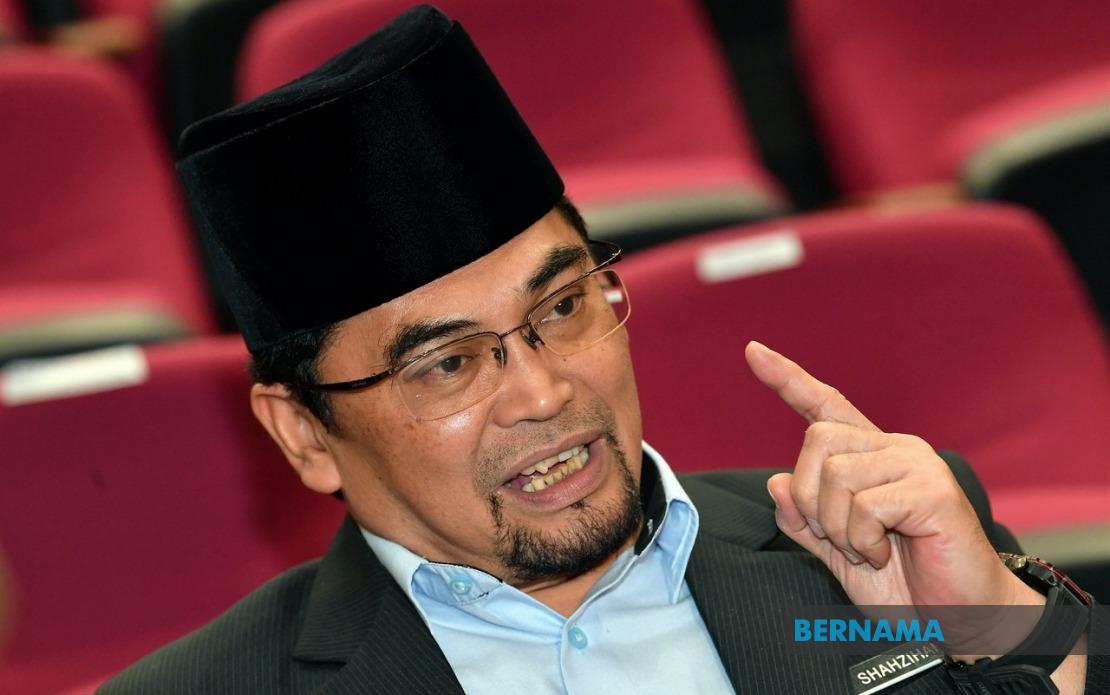
The Selangor Islamic Religious Department has embarked on a comprehensive overhaul of safeguarding procedures at religious schools across the state, signalling heightened institutional concern about misconduct allegations that have recently surfaced. Datuk Mohd Shahzihan Ahmad, who heads JAIS, announced that the department is actively developing a package of preventive measures and operational guidelines specifically designed to combat sexual offences and related misconduct within the religious education setting. The initiative represents a significant tightening of standards after documented cases prompted government intervention.
Central to the reform agenda is a much more rigorous personnel vetting mechanism. JAIS is proposing that all teachers employed at religious schools undergo formal police clearance certification before taking up their positions. This proposal, currently under discussion with the School Registration Committee, would introduce a baseline security screening that has become standard practice in many conventional school systems but has not been uniformly applied across the religious school sector in Selangor. The department is also consulting with law enforcement agencies to establish workable procedures for conducting and processing these clearance checks without creating unnecessary delays in recruitment cycles.
The push for enhanced vetting reflects broader concerns about institutional vulnerability and the gap between current practice and evolving safeguarding expectations. Religious schools, which often operate with greater autonomy than their government-funded counterparts and sometimes face resource constraints, have historically had less formalised screening protocols. By introducing police clearance requirements, JAIS is attempting to close a potential security loophole that could harbour individuals with prior histories of misconduct. The practical implementation will require coordination between multiple agencies, from police records divisions to school management committees, suggesting that rollout may take several months to operationalise fully.
Beyond recruitment screening, JAIS is simultaneously crafting detailed behavioural guidelines that govern daily interactions between staff and students. These protocols aim to eliminate situations where power imbalances could be exploited or inappropriate relationships could develop unchecked. The proposed guidelines emphasise that teachers, administrators, and senior students must avoid providing preferential treatment that singles out individual pupils, particularly when such attention occurs outside normal institutional structures or supervision. The department is specifically targeting the practice of conducting remedial sessions or Quran memorisation classes during odd hours or in isolated settings where oversight is minimal and vulnerability is heightened.
The concept of stricter segregation embedded in these guidelines reflects both Islamic institutional traditions and modern child protection thinking. By formally restricting one-to-one interactions and mandating that coaching or tutoring occurs within monitored environments, JAIS aims to create a culture where inappropriate conduct becomes practically difficult to conceal. Staff would be expected to maintain professional distance and to conduct all substantive interactions with students in contexts where other adults are present. This structural approach addresses the reality that many abusers operate within systems by exploiting isolation and gradual boundary erosion, making prevention through environmental design a recognised best practice.
The catalyst for these reforms has been recent media coverage of an alleged sexual assault incident at a religious school involving a teacher and a student. That case, which has been referred to police for formal investigation by the state government, appears to have functioned as a watershed moment for institutional self-examination within the religious education sector. Rather than waiting for regulatory pressure or external critique, JAIS has moved proactively to signal that the department takes safeguarding seriously and is willing to implement systemic changes to prevent recurrence. This preemptive stance may also be calculated to restore public confidence in religious schools at a moment when trust is fragile.
For Malaysian parents who entrust their children to religious schools, these developments address a genuine vulnerability. Religious schools hold particular cultural and spiritual significance within Muslim communities and often serve families seeking to deepen their children's Islamic education alongside mainstream academics. However, the concentrated authority that teachers and religious leaders exercise within these institutions, combined with sometimes limited external oversight, can create environments where misconduct flourishes if safeguards are inadequate. Enhanced screening and behavioural protocols represent tangible steps toward addressing this asymmetry and protecting student welfare.
The involvement of the School Registration Committee in these discussions suggests that any guidelines developed may eventually extend beyond JAIS-supervised institutions to encompass a broader spectrum of religious educational facilities across Selangor. This coordination raises questions about standardisation and consistency—whether all religious schools will ultimately face identical vetting requirements or whether standards might differ based on school size, resources, or management capacity. Uniformity would be more protective but potentially more burdensome for smaller, community-based institutions, creating a tension that policymakers will need to navigate carefully.
The timeline for implementation remains unclear, with Datuk Mohd Shahzihan indicating only that discussions are ongoing rather than that specific policies have been finalised or scheduled for rollout. This extended deliberation period, while perhaps frustrating to those demanding immediate action, may be necessary to ensure that implemented measures are both robust and practically workable. Rushed policy can create compliance gaps and unintended consequences, whereas careful consultation with school operators, law enforcement, and oversight bodies is more likely to produce durable institutional change.
Moread broadly, this initiative reflects a regional trend toward stricter child protection standards in educational institutions across Southeast Asia. Countries including Thailand, Indonesia, and the Philippines have all tightened safeguarding frameworks in recent years, driven by recurring scandals and growing public awareness of institutional abuse. Malaysia's religious school sector, which educates hundreds of thousands of students across various independent and government-linked facilities, has somewhat lagged in formalising these protections despite serving vulnerable populations. JAIS's move positions Selangor as an early adopter within Malaysian Islamic education, potentially creating a template that other state Islamic departments and private religious schools might eventually emulate.
The effectiveness of these measures will ultimately depend on implementation rigour, resource allocation, and whether institutional cultures genuinely shift to prioritise transparency and accountability. Police clearance certification and interaction guidelines are essential but insufficient on their own—they must be accompanied by robust reporting mechanisms, investigative capacity, and consequences for violations. JAIS's framing of these reforms as work in progress invites ongoing scrutiny from civil society, parents, and oversight bodies, which may help maintain momentum and prevent the guidelines from becoming merely symbolic gestures disconnected from actual practice.

