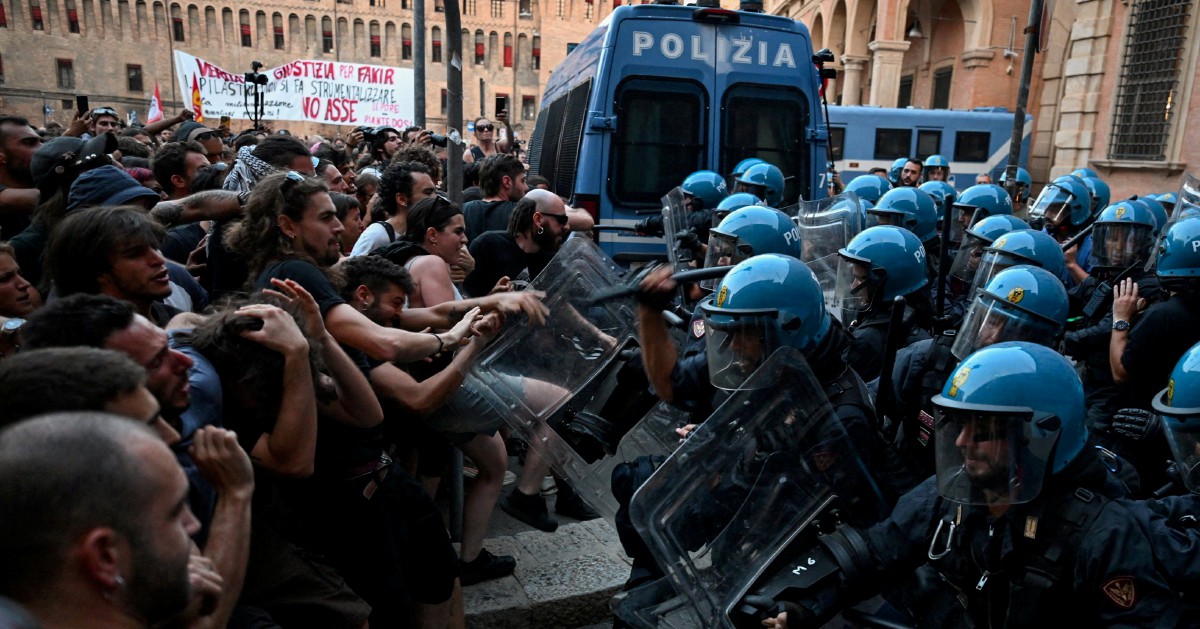
The death of a Moroccan national during police arrest procedures in Italy has escalated into a diplomatic matter, with authorities in Rabat formally requesting comprehensive answers about the circumstances surrounding the incident. Italian Prime Minister Giorgia Meloni responded to the incident on Tuesday by pledging the government's commitment to uncovering the complete facts of the case, signalling the seriousness with which Rome is treating the matter. The episode has unleashed public demonstrations across Italy, reflecting broader concerns within migrant communities and civil rights advocates about treatment during law enforcement operations.
Although specific details about where precisely the arrest occurred and the exact cause of death remain subject to ongoing investigation, the incident has reignited conversations throughout Italy about police conduct and accountability in arrest procedures. The timing of such incidents, particularly involving foreign nationals, often carries heightened diplomatic sensitivity given the interconnected interests between Mediterranean nations and their partners across North Africa. Morocco's swift diplomatic response underscores the significance Rabat places on safeguarding its citizens abroad and ensuring transparency in law enforcement actions that result in deaths.
The protests that have materialised following the death reflect wider anxieties within Italy's immigrant communities, who frequently encounter friction points with authorities during routine police encounters. These demonstrations have mobilised various civil society organisations, immigrant advocacy groups, and concerned citizens who view the incident as emblematic of systemic challenges within Italian policing. The visibility of these protests has forced the incident onto the national agenda, preventing it from being treated as an isolated administrative matter.
Prime Minister Meloni's public statement carries particular weight given her government's positioning on immigration and public order matters. Her explicit commitment to pursuing truth "right to the end" suggests recognition that the case demands rigorous investigation and transparent communication to prevent erosion of public confidence in law enforcement institutions. The statement balances acknowledgement of public concern with assurance that institutional mechanisms exist to establish accountability.
From a regional Southeast Asian perspective, this situation illustrates broader patterns visible across multiple jurisdictions regarding migrant treatment and police accountability. Malaysia, as a significant destination for North African and other international migrants, faces comparable pressures to ensure fair treatment of foreign nationals within its borders while maintaining effective law enforcement. The international scrutiny that accompanies such deaths—particularly when they involve diplomatic dimensions—serves as a reminder that policing practices increasingly occur within transnational oversight frameworks.
Morocco's formal request for clarification represents standard diplomatic protocol when citizens die abroad under disputed circumstances. The Moroccan government must address concerns from the deceased's family while managing relations with a significant European partner. This balancing act between pursuing accountability and maintaining productive bilateral relationships characterises how nations typically navigate such sensitive situations.
The investigation itself will likely examine multiple dimensions: the precise medical cause of death, the necessity and proportionality of force employed during arrest, whether proper procedures were followed at every stage, and whether the responding officers received appropriate training for handling potentially vulnerable individuals. Italian authorities will face pressure to demonstrate that their investigative processes are genuinely independent and thorough rather than merely procedural exercises designed to satisfy diplomatic pressure.
International scrutiny of police conduct during arrests has intensified significantly over the past decade, influenced by global movements advocating for police reform and accountability. Italy, like many European nations, has faced recurring criticism regarding treatment of migrants and minorities during law enforcement operations. Each high-profile incident contributes to cumulative assessments about systemic patterns, rather than remaining isolated events.
The presence of protests signals that public opinion within Italy itself recognises the legitimacy of questions surrounding the death. This internal accountability pressure, combined with Moroccan diplomatic engagement, creates multiple vectors through which investigating authorities face scrutiny. The government's responsiveness to both demands reflects contemporary expectations that deaths during police operations warrant extraordinary transparency and thoroughness.
For Malaysia and other nations managing diverse immigrant populations, the Italian case offers instructive lessons about the intersection of law enforcement operations, public accountability, and international relations. Maintaining training standards, establishing clear protocols for handling vulnerable individuals during arrests, and creating transparent investigative mechanisms when deaths occur represent investments in both ethical governance and diplomatic stability. The longer-term implications of such incidents extend beyond immediate criminal or administrative consequences to shape perceptions of institutional fairness within immigrant communities.

