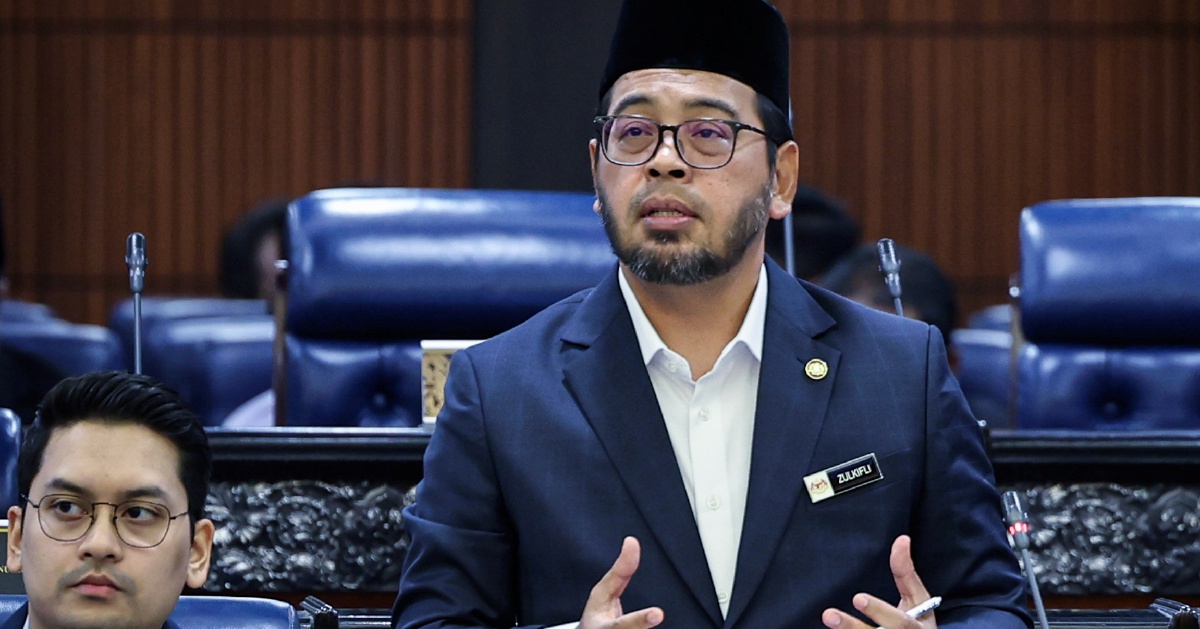
The controversy surrounding the delayed release of a critical government inquiry has reignited scrutiny over transparency and accountability at the highest levels of Malaysia's political establishment. Zulkifli Aziz, a prominent voice in parliamentary oversight, has publicly demanded that former Prime Minister Datuk Seri Ismail Sabri Yaakob provide a comprehensive explanation for the prolonged withholding of the Royal Commission of Inquiry report on Lembaga Tabung Haji, the statutory body managing mandatory savings for Malaysian pilgrims.
The RCI's findings, which examined governance and financial management issues at TH, remained classified for nearly four years despite being completed during Ismail Sabri's tenure as premier from August 2021 to August 2023. This extended period of confidentiality has become increasingly problematic, particularly given that TH oversees approximately RM90 billion in pilgrim savings and represents one of the government's most significant fiduciary responsibilities. The delay in disclosure raises fundamental questions about the government's commitment to public accountability and the efficient dissemination of findings that directly affect millions of Malaysian savers.
The Lembaga Tabung Haji has faced persistent operational and financial challenges in recent years, with recurring issues relating to investment performance, governance structures, and the security of pilgrims' accumulated funds. These ongoing concerns made the RCI investigation an essential mechanism for identifying systemic weaknesses and proposing corrective measures. When an inquiry of this magnitude concludes its work, the presumption among democratic governance advocates is that findings should be released promptly unless national security or legitimate privacy concerns strictly necessitate confidentiality. Neither rationale appears applicable to a report examining institutional mismanagement at a civilian entity.
The significance of this matter extends beyond simple administrative procedure. TH's operations directly impact millions of Malaysians from lower and middle-income backgrounds who depend on the scheme as a mandatory savings vehicle prior to undertaking the Hajj pilgrimage. These individuals are entitled to transparency regarding how their compulsory deposits are managed and what institutional failures, if any, jeopardise their financial security. The RCI was presumably commissioned because conventional oversight mechanisms identified sufficient concerns to warrant extraordinary investigation; withholding the results of that process effectively denies stakeholders crucial information about risks to their savings.
Ismail Sabri's government faced mounting pressure regarding institutional governance following high-profile corporate collapses and mismanagement scandals affecting government-linked companies. The TH situation exemplified broader concerns about inadequate supervisory frameworks and insufficient accountability mechanisms within statutory bodies. An RCI report addressing these deficiencies could have provided a roadmap for systemic improvements, yet its suppression prevented timely implementation of corrective action. This delay may have extended the period during which identified vulnerabilities remained unaddressed.
The refusal to promptly release the report also sets a troubling precedent for future inquiries. When government-commissioned investigations into sensitive institutional matters are shelved indefinitely, the implicit message to bureaucrats and managers is that accountability can be deferred indefinitely through executive discretion. This undermines the deterrent effect of oversight mechanisms and potentially encourages similar governance lapses elsewhere in the public sector. Zulkifli's intervention suggests parliamentary opposition to such opacity is strengthening, creating political pressure for retroactive disclosure and explanation.
The delay assumes particular importance given the timeframe involved. At nearly four years, the withholding far exceeds typical periods required for preliminary reviews or coordination with affected parties. This duration suggests either deliberate suppression of findings the government preferred not to publicise, or fundamental confusion regarding protocols for managing sensitive governmental documents. Neither explanation is reassuring for observers concerned about institutional transparency and political honesty. Public inquiry reports, particularly those examining statutory bodies with direct impact on citizen welfare, should be treated as public property subject to timely disclosure barring extraordinary circumstances.
Zulkifli's public demand for explanation signals that the prolonged secrecy has reached a threshold of public acceptability. Opposition figures and independent observers have increasingly questioned whether the delay served legitimate administrative purposes or functioned as a convenient mechanism for avoiding political embarrassment. The former premier's position requires clarification, either explaining what extraordinary circumstances justified four years of confidentiality or acknowledging that the withholding served no defensible public interest purpose. This demand reflects growing recognition that political transitions provide appropriate moments for revisiting decisions that departed from democratic norms.
The broader Malaysian context amplifies the significance of this controversy. Recent years have witnessed repeated instances where government institutions failed to disclose information affecting public welfare, including circumstances where statutory bodies continued experiencing serious operational failures while oversight reports remained confidential. These patterns have eroded public confidence in institutional governance and prompted demands for stronger transparency mandates. The TH RCI situation exemplifies precisely the type of case that generated such scepticism, with crucial findings about a major financial institution sequestered from public scrutiny for years.
The implications for regulatory reform extend beyond TH itself. If the report identifies governance weaknesses, institutional design flaws, or supervisory gaps, these findings could inform improvements across multiple statutory bodies managing public resources. Withholding such intelligence defeats the learning-from-failure logic that justifies establishing expensive inquiry mechanisms. Government bodies commission RCIs precisely to extract lessons that improve future performance; concealing those lessons negates the primary justification for the investigation itself. This circular logic creates perverse incentives where institutional failures go unaddressed because the official diagnosis remains classified.
Moving forward, Ismail Sabri's response will likely influence both public perception of his tenure and broader expectations regarding governmental transparency. If he provides substantive justification for the withholding, his explanation may restore confidence in his decision-making. Conversely, if no compelling rationale emerges, the episode risks reinforcing negative assessments of his administration's commitment to accountability. Either way, the intensity of Zulkifli's demand suggests that indefinite suppression of the report is no longer politically sustainable.

