Iran's Parliament Speaker Mohammad Bagher Qalibaf touched down in Oman on Monday as part of a diplomatic push to establish fresh arrangements governing one of the world's most strategically vital maritime passages. The Iranian negotiator, accompanied by top diplomat Abbas Araghchi, was received by Omani Foreign Minister Badr Albusaidi upon arrival in Muscat, signalling the high-level importance both nations place on the discussions ahead.
The timing of Qalibaf's visit underscores a critical juncture in regional diplomacy. His arrival came immediately after he had spent 18 hours in intensive negotiations with American representatives in Switzerland, where Pakistani and Qatari mediators facilitated discussions on implementing a recently concluded memorandum of understanding between Tehran and Washington. The back-to-back diplomatic engagement reflects the multifaceted nature of current Gulf negotiations, with Iran simultaneously engaging with both Western powers and regional partners.
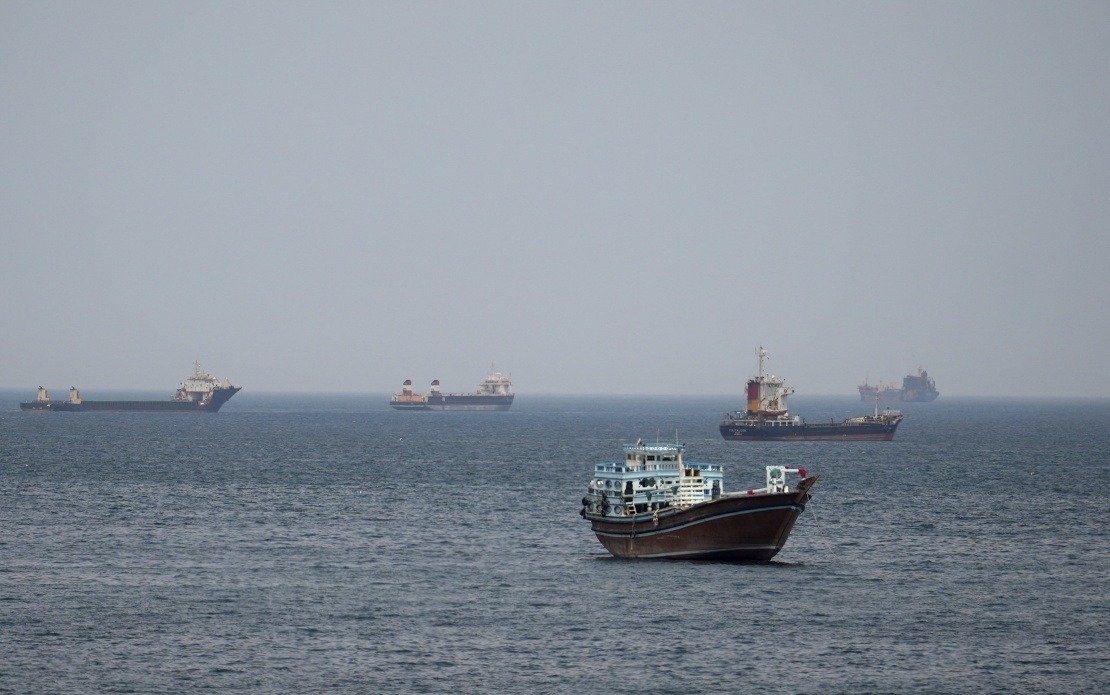
The Strait of Hormuz, which sits at the geographic junction between the Persian Gulf and the Gulf of Oman, represents one of the world's most critical energy chokepoints. Approximately one-third of globally traded seaborne petroleum transits through this narrow waterway, making its security and stability a matter of profound consequence not only for the Middle East but for energy-dependent economies worldwide, including in Southeast Asia. Malaysia, as a major trading nation with substantial energy interests, has a vested interest in ensuring uninterrupted maritime commerce through this vital passage.
Oman's role as intermediary reflects its long-standing position as a trusted diplomatic bridge in the Gulf region. Unlike some of its neighbours, Muscat has maintained pragmatic relations with both Iran and Western powers, positioning it ideally to facilitate constructive dialogue on contentious security matters. The sultanate's willingness to host these discussions demonstrates its commitment to regional stability through dialogue rather than confrontation.
According to statements from Oman's official channels, both Tehran and Muscat have emphasised the critical nature of this diplomatic moment. The two governments stressed their commitment to leveraging current openness to advance peace initiatives while strengthening de-escalation mechanisms and regional stability frameworks rooted in international law and the principle of neighbourly conduct. This emphasis on legal frameworks and international norms suggests the discussions are moving beyond provisional arrangements toward potentially institutionalised agreements.
The preservation of maritime security and freedom of navigation form the cornerstone of these consultations. Both nations have signalled that protecting safe passage through the Strait of Hormuz and other international waterways remains a shared objective, even amid broader geopolitical tensions. For Malaysia and other regional trading partners, such assurances are essential to maintaining confidence in Gulf commerce and preventing potential disruptions that could ripple through global supply chains.
Qalibaf's additional engagement with Omani Sultan Haitham bin Tariq, which Iranian sources indicate will take place during this visit, demonstrates the bilateral dimension alongside the strategic maritime component. Discussions on bilateral cooperation and regional coordination suggest that Iran views the Strait of Hormuz framework not in isolation but as part of a broader architecture of Gulf relations requiring coordinated approaches across multiple countries.
The diplomatic sequence itself reveals strategic thinking. By conducting Switzerland negotiations first, then immediately consulting Oman, Iran appears to be testing positions with the United States while simultaneously consulting trusted regional partners about implementation approaches. This pattern suggests Tehran is attempting to craft arrangements acceptable to both Western interlocutors and Gulf neighbours, a delicate balancing act given divergent interests across these constituencies.
For Southeast Asian observers, particularly those in Malaysia with established maritime trade relationships throughout the Gulf, these developments carry practical implications. Any new Hormuz framework will ultimately affect shipping lanes, insurance costs, and supply chain predictability. The current diplomatic opening, which contrasts sharply with periods of heightened tension in previous years, offers a window for establishing more transparent and predictable maritime governance arrangements.
The involvement of Pakistani and Qatari mediators in the Switzerland talks adds another layer to regional diplomacy. Pakistan's participation reflects its broader stakes in Gulf stability, while Qatar's role underscores the shifting dynamics within the Gulf Cooperation Council as members navigate increasingly complex relationships with Iran. These mediators essentially represent different constituencies and concerns within the broader Muslim world, suggesting efforts to build consensus rather than impose solutions.
The emphasis on using the "current diplomatic moment" in official statements carries significance. It acknowledges that windows for constructive engagement can close, requiring all parties to make maximum progress while such openness exists. This framing suggests both urgency and awareness that polarisation could quickly return if momentum stalls.
Ultimately, Qalibaf's mission to Oman represents an attempt to move beyond reactive crisis management toward proactive maritime governance in the Gulf. Whether these consultations yield binding agreements or merely establish frameworks for future negotiation remains unclear. What is evident is that establishing functional arrangements for Hormuz passage has become sufficiently important that both Iran and international powers are willing to invest diplomatic capital, with regional partners like Oman playing increasingly vital roles in facilitating such critical discussions.