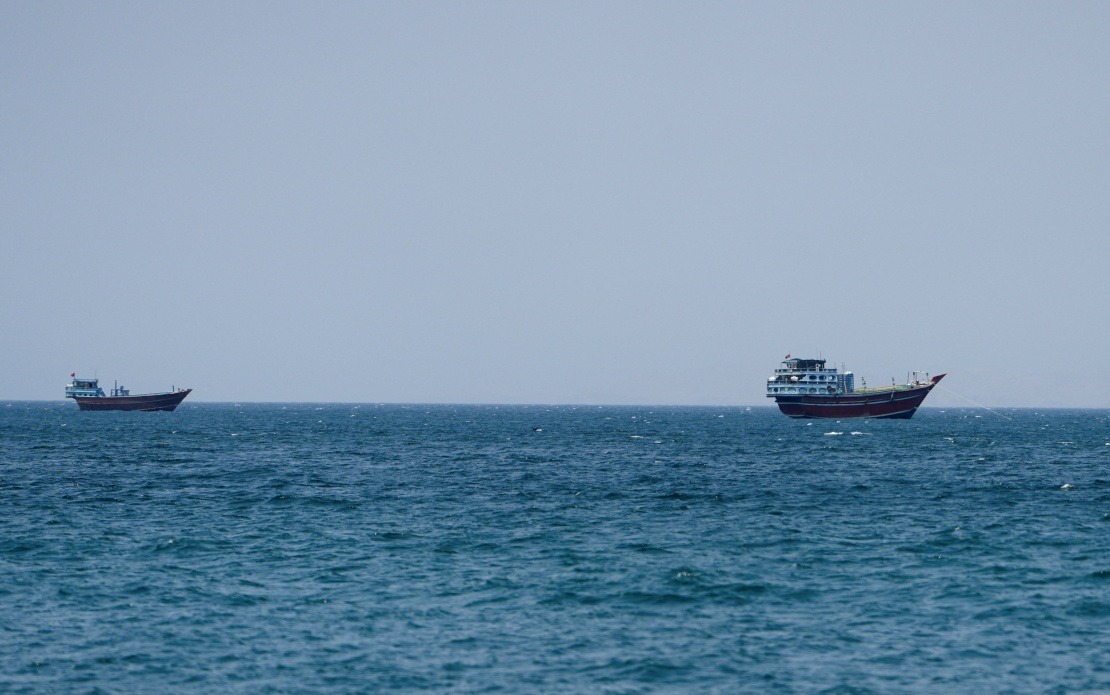
Iran's newly appointed security chief has made clear that the strategic Strait of Hormuz will remain restricted until Washington capitulates to Tehran's demands, signalling a hardening of positions in an already tense standoff that threatens global energy security. Speaking during talks with China's ambassador in Tehran, Mohsen Rezaei, head of the Supreme National Security Council, outlined a comprehensive set of preconditions that must be met before Iran reverses its March restrictions on transit through the waterway linking the Persian Gulf to the Arabian Sea.
The Strait of Hormuz represents one of the world's most critical maritime chokepoints, with roughly one-third of all seaborne oil trade passing through its narrow channels. Iran's decision to impose restrictions since early March represents a dramatic escalation in regional tensions stemming from what Tehran characterises as US-Israeli military aggression. By leveraging control over this vital shipping lane, Iran has positioned itself to extract maximum concessions from Washington and its allies who depend heavily on uninterrupted oil flows from the Gulf region.
Rezaei's statements reveal the breadth of Iran's negotiating position. Beyond ending what Iran views as ongoing military operations targeting its interests and those of allied forces in the region, Tehran demands the release of substantial frozen Iranian assets held in international accounts. These financial restrictions, imposed through US-led sanctions, represent billions of dollars that Iran seeks to reclaim as part of any broader settlement. The conditioning of Hormuz access on these financial matters underscores how Iran is attempting to link maritime security to its broader grievances regarding international financial isolation.
The Iranian security official indicated that intermediaries have already communicated additional conditions to the United States through back-channel negotiations conducted in recent weeks. This suggests that the three publicly stated demands—cessation of military operations, release of blocked funds, and implicit acceptance of Iran's regional role—form only the foundation of Tehran's full list of requirements. The deliberate vagueness surrounding these undisclosed conditions adds uncertainty to any potential breakthrough and suggests negotiations remain far from resolution.
Rezaei also sought to reassure regional partners by clarifying that any bilateral agreement Iran might reach with Oman, the other littoral nation sharing the strait, would be independent of Iran's unilateral decisions regarding waterway access. This statement appears designed to prevent concerns that Oman might facilitate alternative arrangements or compromises that would undermine Iran's negotiating leverage. It also reflects the delicate balance Iran must maintain between using the strait as leverage while avoiding the appearance of complete international isolation.
During the same meeting, Rezaei extended appreciation to China for opposing what Iran characterises as an anti-Iranian resolution at the UN Security Council during March's escalation. This diplomatic outreach highlights Iran's reliance on support from major powers, particularly China, which serves as a critical economic and political ally. By praising China's stance, Rezaei reinforced Tehran's alignment with Beijing while subtly signalling that Iran values states willing to resist US-led initiatives.
The Iranian official also emphasised the strategic partnership between Tehran and Beijing, pointing specifically to their joint membership in significant international organisations including the Shanghai Cooperation Organisation and BRICS. These multilateral forums have become increasingly important as China and Iran seek to build alternative networks that reduce dependence on Western-dominated institutions. For Malaysia and other Southeast Asian nations, this deepening Iran-China alignment carries implications for regional security architecture and the balance of power in global affairs.
The ramifications of Iran's stance extend well beyond the bilateral US-Iran relationship. Malaysia, as a major shipping nation with significant maritime interests in the region, faces direct exposure to any sustained disruption of Hormuz traffic. The country's economy depends substantially on reliable energy supplies and unimpeded sea lanes for trade. Prolonged restrictions on the strait could elevate shipping costs, disrupt supply chains, and create inflationary pressures affecting Malaysian consumers and businesses.
Moreover, the Hormuz situation reflects broader Middle Eastern volatility that impacts regional stability and counterterrorism efforts. Southeast Asian nations maintain significant security partnerships with both the United States and countries in the Gulf region, making them vulnerable to escalating tensions. Any military confrontation triggered by the strait standoff could draw international powers into conflict, potentially diverting military and diplomatic resources from Southeast Asian security concerns including maritime disputes and counterterrorism operations.
The conditioning of Hormuz access on US policy changes also reveals Iran's assessment that international economic pressure from sanctions remains insufficient to force concessions, prompting Tehran to resort to coercive maritime measures. This gambit suggests Iranian leaders believe they can sustain the costs of restrictions while extracting sufficient political and economic value to justify continued confrontation. Whether this calculation proves accurate will depend partly on how severely restricted Hormuz transit affects global energy markets and whether alternative routes or suppliers can compensate for disruptions.
For investors and businesses across Southeast Asia, the situation demands careful monitoring of energy price volatility and shipping insurance costs. Any military escalation near the strait could trigger rapid commodity price spikes that ripple through global markets, affecting everything from manufacturing costs to transportation expenses. Regional governments and businesses should prepare contingency plans for energy supply disruptions and heightened shipping costs that could persist for months if negotiations stall.
Looking forward, the Iranian position articulated by Rezaei suggests that any resolution requires fundamental shifts in US policy toward Iran, not merely cosmetic adjustments or temporary accommodations. Washington's willingness to meet these conditions—especially regarding military operations and frozen assets—will prove determinative for whether the Strait of Hormuz returns to normal operations. Until that convergence occurs, global energy markets and maritime commerce will remain hostage to the standoff, with serious consequences for energy-dependent economies throughout Southeast Asia.

