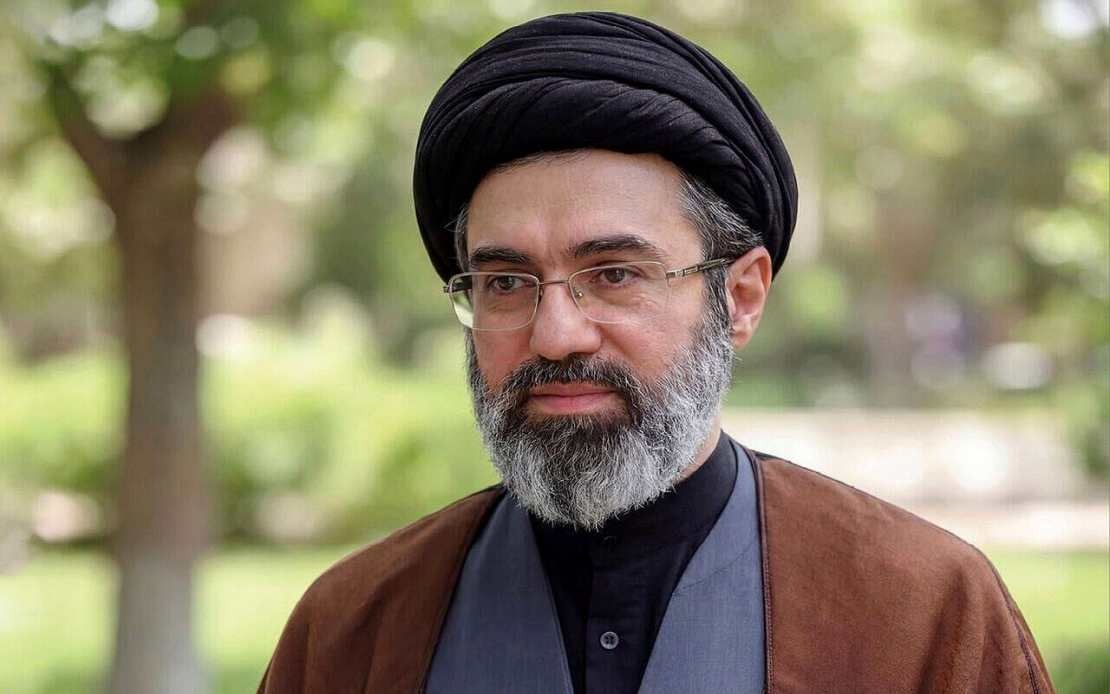
Iranian President Masoud Pezeshkian has moved to reassure the nation about the health of Supreme Leader Mojtaba Khamenei, declaring him to be in perfect condition during a television interview with state broadcaster IRIB. The statement comes as Iran continues to navigate its political transition under new leadership, with Pezeshkian emphasizing the supreme leader's vitality and commitment to the country's governance following their extended discussions.
The president's comments emerged from a comprehensive seven-hour meeting held between the two officials, representing a significant engagement at the highest levels of Iran's dual power structure. Such extended sessions between Iran's supreme leader and president are noteworthy, often signaling alignment on critical policy matters and demonstrating active participation in government affairs. The duration and nature of the meeting suggest substantive dialogue rather than ceremonial engagement, underscoring the supreme leader's continued involvement in shaping the nation's direction.
Pezeshkian emphasized that national cohesion stood foremost in the supreme leader's concerns during their conversation. The focus on maintaining unity and solidarity reflects broader anxieties within Iran's political establishment about social fragmentation, particularly given the dramatic circumstances surrounding the leadership transition. In a volatile region where internal discord can invite external pressure, messaging about national togetherness carries significant political weight and serves to project stability to both domestic and international audiences.
The discussion also encompassed pressing economic matters that continue to weigh heavily on Iranian households and policymakers. Issues of livelihood, employment opportunities, and affordable housing dominated portions of their dialogue, suggesting that despite extraordinary political changes, conventional governance concerns remain central to the leadership's agenda. These topics reflect broader Middle Eastern challenges affecting ordinary citizens across the region, making them politically sensitive issues that any administration must address credibly.
Sanctions-related challenges formed another substantial component of their conversation, highlighting a persistent constraint on Iran's economic development and regional positioning. The cumulative weight of international restrictions continues to shape Tehran's policy calculus, influencing everything from currency stability to industrial development. For Malaysian observers, understanding Iran's sanctions predicament provides context for the Islamic Republic's regional strategies and its cultivation of alternative partnerships with nations outside Western-led frameworks.
The timing of Pezeshkian's public remarks carries particular significance, arriving as he marks his third year as president of Iran. This milestone moment in his tenure coincides with the consolidation of the new supreme leader's authority, suggesting coordinated messaging aimed at projecting unified leadership and decisive governance. In Iranian political culture, such public statements from the president serve multiple audiences—reassuring supporters domestically while signaling to regional and international observers that leadership transitions have been managed without instability.
Mojtaba Khamenei's appointment as supreme leader occurred in March through the institutional process of the Assembly of Experts, following the death of his father Ali Khamenei in February. The circumstances surrounding the previous supreme leader's death—attributed to joint United States and Israeli strikes—marked a watershed moment in Iranian politics and Middle Eastern geopolitics. This transition ranks among the most significant leadership changes in recent Iranian history, carrying implications for regional power dynamics and international relations throughout Asia and the broader global order.
A notable aspect of the new supreme leader's tenure has been his limited public visibility since assuming office. Mojtaba Khamenei has maintained a largely restricted public profile, appearing infrequently and carefully managing his media exposure. This measured approach to public engagement may reflect deliberate strategy regarding leadership consolidation, protocol adjustments, or simply the substantial demands of assuming supreme authority. The contrast between his relative invisibility and Pezeshkian's public affirmations about his health raises questions about communication strategies and how the Iranian leadership chooses to present itself domestically and internationally.
The presidential confirmation of the supreme leader's wellbeing addresses an implicit concern that might otherwise occupy political space and generate speculation. In contexts of sudden leadership transitions—particularly those involving dramatic circumstances—rumors and conspiracy theories can flourish absent clear official messaging. By providing explicit, public assurances about the supreme leader's physical condition and apparent engagement in governance, Pezeshkian helps contain potential narratives that might otherwise undermine confidence in continuity and institutional stability.
For Southeast Asian analysts and policymakers, the dynamics surrounding Iran's current leadership configuration merit attention given Tehran's expanding engagement with nations throughout Asia. Iran's pursuit of alternative partnerships and economic relationships with countries beyond Western sanction regimes has created new interconnections across the region. Understanding the stability and cohesion of Iran's own political system remains relevant for assessing the reliability and direction of its regional initiatives, from energy partnerships to diplomatic alignments.
The seven-hour meeting between president and supreme leader, as detailed through official media, demonstrates the intensity of governance requirements facing Iran's leadership. The breadth of topics addressed—spanning national unity, economic management, and international pressure—illustrates the multifaceted challenges confronting any Iranian administration. Such extensive engagement suggests neither decorative authority nor ceremonial interaction, but rather active problem-solving at the nation's apex.

