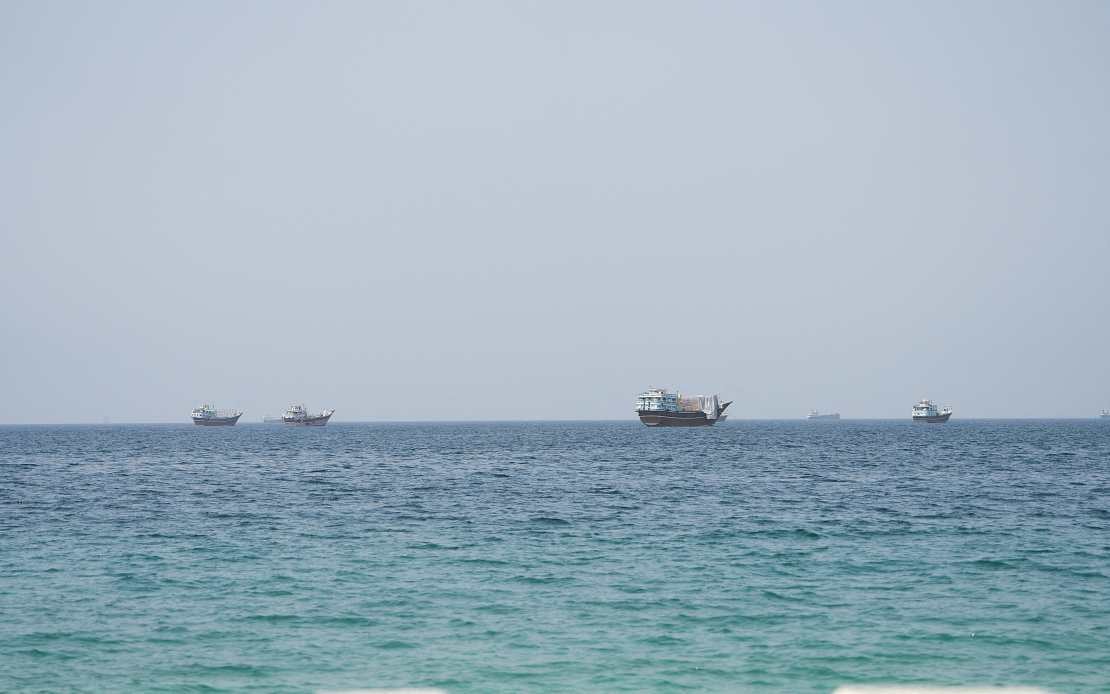
Iran's Foreign Ministry has signalled significant progress in ongoing discussions with Oman regarding the future of maritime transit through the Strait of Hormuz, one of the world's most economically critical waterways. Speaking at a weekly news conference in Istanbul, Iranian Foreign Ministry spokesman Esmaeil Baqaei characterised the bilateral talks as advancing smoothly and with genuine constructive momentum, according to the semi-official Tasnim news agency. The development offers a glimmer of diplomatic hope in a region where tensions over shipping routes have repeatedly threatened global energy security and international commerce.
The substance of the emerging agreement between Tehran and Muscat has begun taking clearer shape, with both parties reaching preliminary consensus on a shipping traffic map that would define safe corridors for international vessels transiting the vital waterway. However, Baqaei acknowledged that significant work remains, particularly in refining technical details and finalising the language of a joint statement that would formalise the arrangement. This methodical approach suggests both countries recognise the complexity of establishing protocols that satisfy their respective security, economic, and strategic interests while maintaining international maritime norms.
Central to the negotiated framework are several practical mechanisms designed to enhance maritime safety and environmental protection throughout the Strait. Baqaei emphasised that the talks will establish dedicated procedures to prevent maritime crimes, reduce collision risks through coordinated traffic management, and ensure environmental safeguards for one of the world's most ecologically sensitive passages. The inclusion of environmental protections reflects broader international maritime conventions and responds to growing global concerns about pollution and ecological damage in congested shipping lanes. Additionally, the parties have clarified that vessels using the designated routes will be subject to standardised service fees and charges, a mechanism intended to fund maintenance and regulatory operations.
At the heart of Iran's negotiating position lies a fundamental demand that extends beyond the Oman discussions. Baqaei reiterated Tehran's insistence that the United States must lift its naval blockade of Iranian ports before the Strait of Hormuz can fully reopen to normal commercial traffic. This precondition underscores Iran's view that American pressure, rather than legitimate maritime safety concerns, has disrupted international shipping patterns. For Malaysian policymakers and businesses dependent on reliable Hormuz passage, this linkage between bilateral maritime arrangements and broader US-Iran tensions represents an ongoing geopolitical vulnerability that technical agreements alone cannot fully resolve.
The Iranian spokesperson carefully framed the Oman talks as a strictly bilateral maritime negotiation divorced from political controversy. He stressed that discussions focus exclusively on identifying safe shipping routes and ensuring orderly international commerce, with no connection to the broader political disputes between Iran and other nations. This distinction carries diplomatic importance, as it attempts to insulate the maritime agreement from regional tensions and positions the arrangement as a pragmatic, apolitical response to practical transportation needs. For Southeast Asian shipping companies and maritime operators, such technical frameworks offer potential stability regardless of geopolitical winds, though scepticism remains warranted given the history of failed agreements in the region.
The current Oman-Iran negotiations represent an attempt to salvage elements of a broader understanding reached in June 2024, when Tehran and Washington signed a memorandum of understanding through mediation by Pakistan and Qatar. That earlier agreement envisioned a gradual, phased restoration of normal commercial navigation through the Strait, intended to reduce tensions and create space for expanded diplomatic negotiations on a comprehensive accord addressing multiple bilateral grievances. However, implementation of that June memorandum rapidly deteriorated as both governments accused each other of systematic violations and bad-faith conduct, effectively freezing progress on the larger strategic framework.
The stalled June accord reflected a pattern that has characterised Iran-US relations for decades: initial agreements signed with considerable fanfare subsequently collapse amid mutual recriminations and competing interpretations of obligations. Each side claims the other initiated violations, creating a blame-shifting dynamic that undermines confidence in future arrangements. For Malaysia and other regional states, this cycle of broken agreements and escalating tensions complicates maritime security planning and increases insurance costs for shipping through the Strait. The Oman bilateral talks, therefore, may represent a more modest but potentially more durable approach, narrowing the scope of negotiation to focus on practical maritime arrangements rather than attempting to resolve fundamental political conflicts.
Baqaei's comments also addressed Iran's diplomatic schedule, noting that a final determination regarding the composition and rank of Tehran's delegation to September's United Nations General Assembly meeting remains pending. This announcement suggests that Iran is carefully calibrating its diplomatic posture and that decisions about high-level attendance at the UN gathering may be contingent on developments in the Hormuz negotiations and broader international engagement. The timing and level of Iranian representation at the General Assembly could signal either optimism about diplomatic breakthroughs or frustration with Western intransigence, making the delegation decision an important indicator of Tehran's confidence in near-term progress.
For Malaysia and Southeast Asia more broadly, the stakes in these Hormuz negotiations extend far beyond Iran-Oman bilateral relations. The Strait remains the pathway through which substantial portions of Asian crude oil and liquefied natural gas transits en route to regional markets. Any escalation of tensions, renewed blockades, or closure of shipping lanes would immediately impact fuel prices, manufacturing costs, and economic growth throughout Southeast Asia. Malaysian petrochemical industries, power generation facilities, and transportation sectors all depend on reasonably assured access to energy supplies flowing through the Strait. Thus, even incremental progress toward stabilising maritime transit arrangements warrants serious attention from Malaysian policymakers and business leaders.
The diplomatic trajectory also carries implications for Malaysia's own foreign policy positioning. As a major maritime nation and member of ASEAN, Malaysia has consistently advocated for freedom of navigation, respect for international law, and peaceful resolution of disputes through dialogue. The Iran-Oman talks demonstrate that patient bilateral engagement, facilitated by trusted regional interlocutors, can sometimes generate progress where broader multilateral negotiations have stalled. This model potentially offers lessons for addressing other regional disputes, including maritime disagreements in the South China Sea where competing claims and geopolitical tensions similarly threaten shipping security and regional stability.
Looking forward, the success or failure of the Oman-Iran negotiations will likely shape broader patterns of cooperation and confrontation in the Persian Gulf. Should the two countries successfully conclude a durable maritime agreement that genuinely ensures safe passage and reduces incidents at sea, the model might demonstrate that compartmentalising maritime issues from larger political conflicts can yield practical benefits. Conversely, if these talks also collapse amid accusations of non-compliance or shifts in political conditions, the pattern of failed agreements would deepen regional pessimism about the possibility of lasting diplomatic solutions. For Malaysian businesses and policymakers monitoring regional developments, the next weeks will prove crucial in determining whether the current diplomatic window can produce tangible improvements in maritime security or whether the Strait of Hormuz will remain a flashpoint for international tension.

