Iran has flatly rejected US President Donald Trump's suggestion that peace negotiations could proceed without a formal ceasefire agreement, instead insisting that Washington must first satisfy Tehran's core demands regarding maritime access and petroleum commerce. The Iranian position, disclosed by the semi-official Fars news agency citing unnamed officials, marks a significant hardening of Tehran's stance and underscores how far apart the two adversaries remain despite earlier diplomatic overtures.
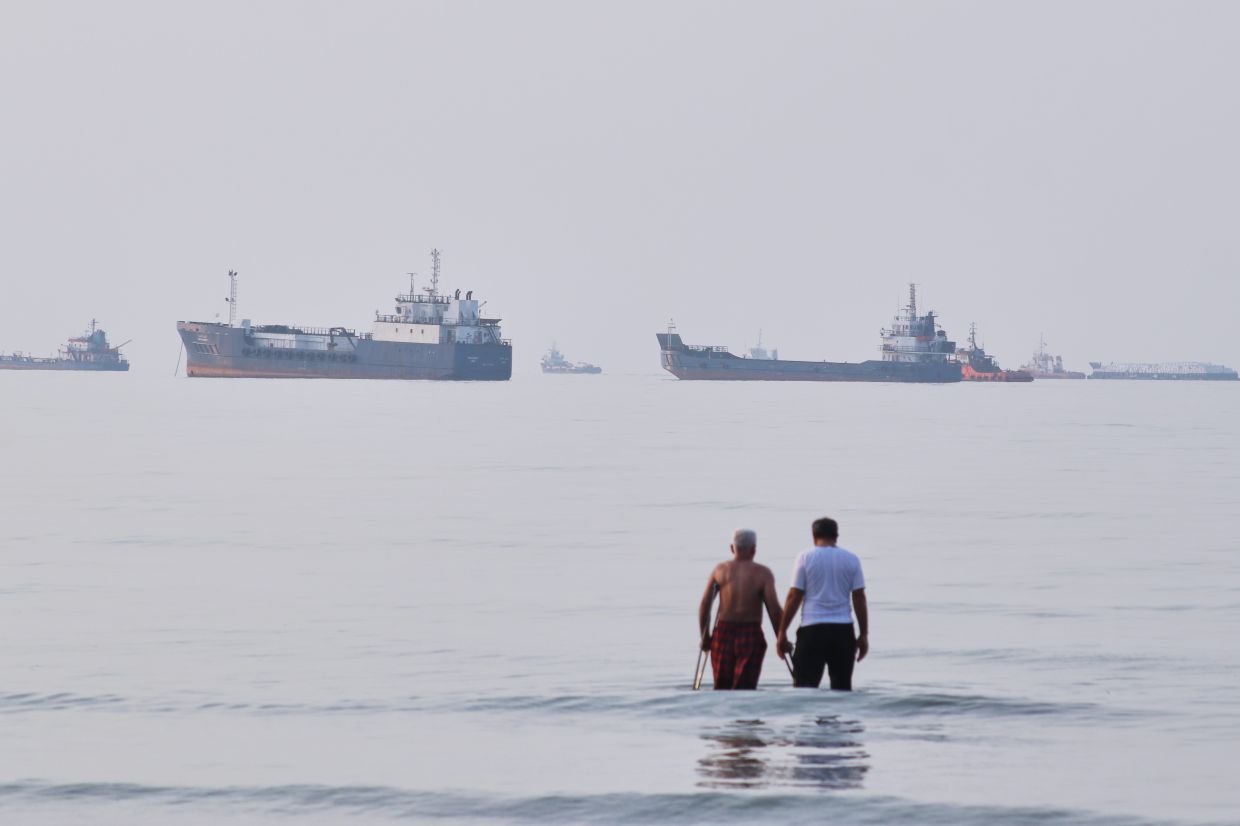
The rejection came hours after the Trump administration levied a fresh ultimatum, demanding that Iran publicly declare all channels through the Strait of Hormuz open to international shipping and commit not to attack civilian vessels navigating those waters. Senior officials briefed journalists on condition of anonymity that Iran would face unspecified consequences should it refuse to provide such a public guarantee. This demand speaks to longstanding American concerns about Tehran's capacity and willingness to disrupt one of the world's most strategically vital chokepoints for global energy supplies.
The rhetorical temperature surged further when Trump issued a stark warning on social media late Friday, threatening to unleash "1000 Missiles" on Iran should it follow through on alleged threats against his life. The former US leader attributed these threats to speeches delivered at the funeral ceremonies for Iran's Supreme Leader Ayatollah Ali Khamenei, claiming Israel had alerted him to a purported Iranian assassination plot. Such provocative language, delivered through a social platform rather than through diplomatic channels, signals how volatile the situation has become and how quickly confidence-building measures have eroded.
These escalating tensions occur against a backdrop of kinetic military activity that has destabilized the region throughout the week. Multiple rounds of US airstrikes followed by Iranian retaliation have rattled global energy markets, pushing oil prices higher and prompting international concern about broader regional conflict. The underlying trigger for this spiral involves Washington's revocation of a Treasury waiver that had permitted Iran to market petroleum internationally, effectively reimposing sanctions on Tehran's most valuable export commodity and severing a crucial revenue stream.
Trump's characterization of the June ceasefire as definitively over signals a dramatic shift in American posture. What had appeared to be a fragile but functioning truce now exists only in name, with both sides resuming military operations and pursuing incompatible objectives. For Malaysia and other Southeast Asian economies heavily dependent on uninterrupted energy flows from the Persian Gulf region, the deterioration of this arrangement carries direct implications for fuel costs, shipping security, and broader economic stability.
Iranian Foreign Minister Abbas Araghchi travelled to Oman on Saturday to engage in discussions about the future governance and security arrangements for the Strait of Hormuz, suggesting that despite public posturing, some diplomatic channels remain open. Oman's traditional role as a neutral mediator in Gulf disputes positions it well to facilitate such conversations. However, the substance of these discussions remains opaque, and their capacity to reverse current trajectories appears questionable given the hardened positions articulated by both capitals.
Paradoxically, senior US officials indicated that expert-level technical discussions with Iran are expected to continue, even as Trump issues threats and demands appear increasingly maximalist. This suggests an administration divided between hardline rhetoric designed for domestic political consumption and recognition that complete escalation serves neither side's strategic interests. Whether lower-level diplomats can make progress when their leaders are exchanging incendiary statements represents perhaps the central tension defining current US-Iran relations.
The Iranian political situation adds another layer of complexity to these negotiations. Ayatollah Khamenei's death in the February 28 airstrikes that sparked the wider conflict has left leadership in the hands of his son and designated successor, Mojtaba Khamenei. The younger Khamenei used social media to declare on Saturday that avenging his father's death represents "our certain and undeniable duty," language that appeals to the revolutionary legitimacy of Iran's leadership but complicates efforts to de-escalate with Washington.
Mojtaba Khamenei's absence from public view and videographic evidence since taking office has generated considerable speculation about his physical condition and his grip on power. Iranian officials acknowledge he sustained injuries in the same February strike that killed his father, though they characterise him as actively directing decision-making throughout the ongoing conflict. The opacity surrounding his health and involvement in negotiations introduces uncertainty about whether decisions being made by the Iranian government carry the full authority of its ultimate decision-maker or represent compromises struck among competing factions within the Revolutionary Guards and clerical establishment.
The convergence of these factors—the collapsed ceasefire, escalating military operations, conflicting demands regarding Hormuz transit and oil sales, Trump's increasingly inflammatory rhetoric, and uncertainty about Iran's political leadership—creates a dangerous moment for regional stability. The world's dependence on energy flows from the Persian Gulf means that Iranian-American tensions have immediate economic consequences extending far beyond the Middle East itself. Malaysia's position as a Southeast Asian energy consumer gives the country a legitimate stake in seeking de-escalation and the restoration of predictable maritime conditions in waters far from its shores yet critical to its economic wellbeing.

