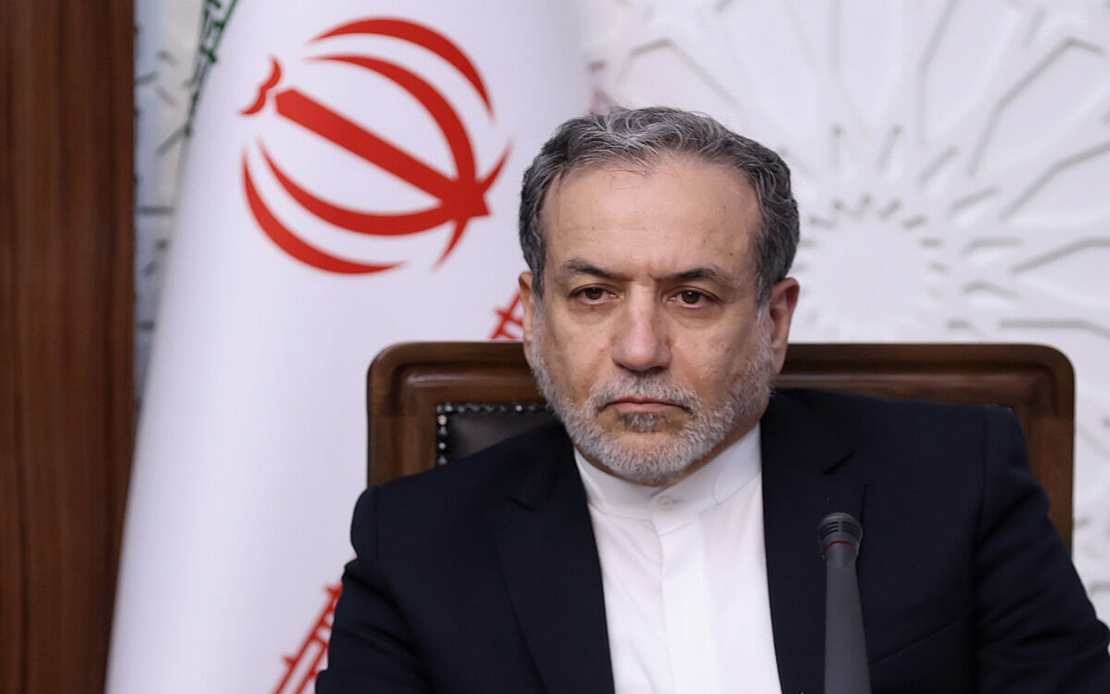
Iran's diplomatic outreach intensified this week as Foreign Minister Abbas Araghchi engaged in telephone conversations with Pakistan's top military commander and Qatar's leading diplomat to explore pathways toward regional stability. The separate exchanges underscored Tehran's determination to leverage established communication channels with neighbouring and Gulf-allied states to address mounting tensions that have periodically flared into military confrontations across the Middle East and beyond. Both discussions centred on the mechanics of sustained diplomatic engagement, reflecting a broader acknowledgment among regional players that military escalation carries unacceptable risks to shared commercial and security interests.
Araghchi's interaction with Field Marshal Asim Munir highlighted Pakistan's continuing role as an intermediary in Middle Eastern affairs. The two military and diplomatic figures stressed the imperative of maintaining regular consultation mechanisms and coordinated action to strengthen peace architecture in their shared sphere of influence. Pakistan's position as a nuclear-armed nation with ties to both Iran and Western-aligned Gulf states has long positioned Islamabad as a potential bridge in moments of heightened regional friction. The call signals that Tehran views its northwestern neighbour as a credible partner in de-escalation efforts, particularly given Pakistan's past experience mediating comparable crises.
Simultaneously, Araghchi's conversation with Qatari Foreign Minister Mohammed bin Abdulrahman Al Thani centred on the critical importance of maintaining open diplomatic channels and coordinated action to prevent further military or political escalation. Qatar, which hosts major American military installations while maintaining robust diplomatic ties with Iran, occupies a uniquely delicate position within Gulf geopolitics. The Qatari government's emphasis on using diplomatic instruments and sustaining coordination reflects its investment in dialogue-based conflict prevention, a posture that has defined Doha's regional strategy for years. For Malaysian observers, Qatar's approach underscores how smaller but strategically positioned nations can shape outcomes through careful diplomatic footwork rather than military capability.
The most substantive development emerged from separate discussions between Iran and Oman, which announced a proposed framework for establishing a temporary joint shipping corridor through the Strait of Hormuz alongside a coordinated mine-clearance operation in the waterway. This initiative carries profound implications for global maritime commerce and represents a tangible effort to address one of the world's most strategically vital chokepoints. The Strait of Hormuz, through which roughly one-third of globally traded oil passes daily, has become a flashpoint where Iranian and American strategic interests collide most directly. The proposed framework suggests that Tehran and Muscat have identified practical, confidence-building mechanisms that could reduce military miscalculation and restore regular commercial navigation without requiring comprehensive political settlements.
Oman's role as architect of this shipping corridor proposal deserves particular attention. The sultanate has historically maintained diplomatic neutrality while cultivating pragmatic relationships across sectarian and geopolitical divides. By working with Iran on the proposed corridor and mine-clearance initiative, Oman demonstrates that incremental, technical cooperation on specific maritime challenges can proceed independently of broader political disputes. For Southeast Asian nations heavily dependent on Strait of Hormuz transit, Oman's diplomacy offers a model of how smaller regional states can advance their own shipping interests while contributing to overall stability.
Qatar's subsequent endorsement of these de-escalation initiatives further signals consensus among key regional players that dialogue mechanisms must continue functioning. The Qatari Foreign Ministry's affirmation of full support for diplomatic efforts and sustainable peace arrangements reflects Doha's conviction that comprehensive regional settlements require patient, multilayered negotiation. Al Thani explicitly linked the shipping corridor proposal to broader aspirations for establishing enduring peace arrangements that guarantee maritime freedom and address underlying security concerns. This framing suggests that technical maritime cooperation might serve as a foundation for wider political settlements addressing Iran's regional role and security guarantees.
The timing of these announcements coincided with American President Donald Trump's assertion that the US Navy had eliminated or detonated all mines in international Strait of Hormuz waters. Washington's position on the waterway remains fundamentally shaped by its conviction that the strait constitutes an international passage that must remain open to unrestricted navigation without tolls or arrangements conferring Iran any formal traffic management authority. The American preference for southern shipping routes near Omani coastal waters reflects strategic calculations aimed at minimising Iranian influence over global energy flows while maintaining economic sanctions regimes. These competing visions of Strait management lie at the heart of negotiations that have periodically stalled despite Pakistani and Qatari mediation.
Recent escalatory cycles illustrate the fragility of regional stability absent continuous diplomatic engagement. In February, American and Israeli forces launched coordinated strikes against Iranian targets, triggering Tehran's retaliatory strikes against Israeli and American military positions across the region. A June memorandum of understanding between Washington and Tehran, brokered through Pakistani and Qatari intermediaries, temporarily eased tensions but ultimately faltered when implementation differences regarding Strait of Hormuz governance became insurmountable. Last month's resumption of American military action and subsequent Iranian responses to American assets in Arab allied states demonstrated that even when diplomatic frameworks exist, disagreements over fundamental strategic issues can rapidly reignite military confrontation.
For Malaysia and broader Southeast Asia, these developments carry substantial implications. Any sustained disruption to Strait of Hormuz navigation directly threatens the region's energy security and commercial flows. Malaysian shipping companies, oil importers, and manufacturing sectors dependent on reliable maritime access stand to benefit substantially from successful de-escalation arrangements. The emerging Oman-Iran shipping corridor framework, if implemented successfully, could provide alternative pathways reducing strategic vulnerability to any single power's actions. Additionally, the demonstrated willingness of regional actors to pursue confidence-building measures through technical cooperation offers lessons for managing other maritime disputes and security challenges in Southeast Asian waters where competing interests similarly require diplomatic management.
The diplomatic momentum evident in this week's exchanges suggests that despite episodic military confrontations, regional players remain invested in dialogue channels and incremental cooperation on specific issues. Oman's proposal for temporary shipping arrangements and joint mine-clearance operations embodies pragmatism focused on solving concrete problems rather than achieving comprehensive political settlements. Pakistan and Qatar's continued engagement as mediators reflects their assessment that their own stability depends on preventing full-scale regional conflagration. For observers tracking Middle Eastern stability and its ripple effects on Asian commerce and security, the persistence of diplomatic channels even during military tensions offers grounds for cautious optimism regarding the possibility of managed escalation rather than uncontrolled conflict spiral.

