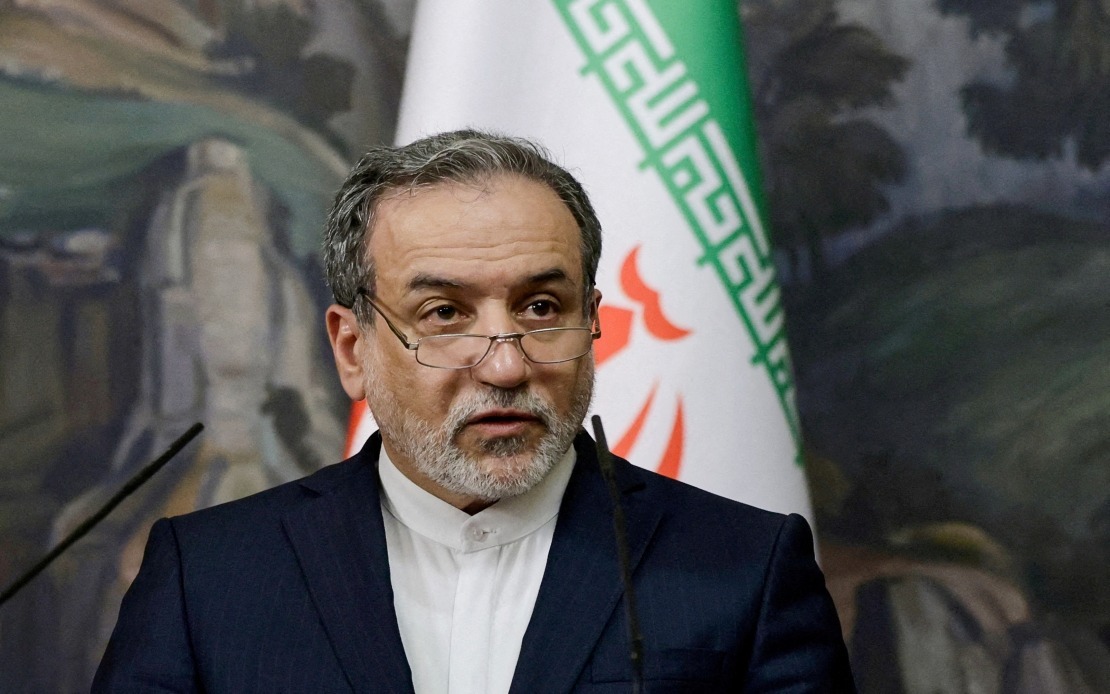
Iran has not yet committed to resuming negotiations with the United States despite ongoing indirect communications through intermediaries, according to statements from Foreign Minister Abbas Araghchi made in Istanbul on August 15. The carefully worded clarification underscores the complex dynamics at play in Middle Eastern diplomacy, where the line between dialogue and formal engagement carries significant political weight. Araghchi's remarks suggest that Tehran wishes to preserve flexibility in its approach while avoiding the appearance of capitulation to Western pressure, a delicate balancing act that reflects the fraught history between the two nations and domestic sensitivities within Iran.
The foreign minister specifically rejected interpretations of the Islamabad memorandum that characterised it as establishing a 60-day ceasefire requiring extension. Instead, he argued that the June framework agreement, brokered by Pakistan, aimed to end military hostilities permanently rather than establish a temporary pause. According to Araghchi's account, the United States subsequently violated the memorandum by resuming military operations, thereby rendering moot any discussion of extending a ceasefire period. This distinction carries implications for international law and the credibility of peace agreements, particularly relevant to Southeast Asian nations concerned with maritime security and the sanctity of international agreements.
Araghchi characterised the 60-day window referenced in the Islamabad memorandum as a negotiating period intended to produce a comprehensive final accord, not as the duration of a temporary cessation of hostilities. This reframing positions Iran as the party acting in good faith while depicting American behaviour as undermining the agreement's terms. The narrative matters considerably for domestic Iranian audiences and for third countries evaluating which party bears responsibility for the breakdown in diplomatic efforts. For Malaysian and regional observers, such disputes over the meaning of international agreements highlight the persistent challenges in establishing durable peace mechanisms, lessons applicable to ongoing territorial and maritime disputes in Southeast Asia.
Communications through Qatar and Pakistan continue, Araghchi acknowledged, but he stressed that these channels should not be mistaken for genuine negotiations. The distinction reflects standard diplomatic practice whereby countries maintain informal contact even during periods of tension, using intermediaries to probe positions and signal intentions without committing to formal engagement. This arrangement allows both Tehran and Washington to gather intelligence and test potential pathways forward while maintaining domestic political cover—Iran can claim it has not abandoned its principles by returning to talks, while the United States can pursue diplomatic options without appearing weak.
Separate technical discussions with Oman focusing on maritime routes through the Strait of Hormuz represent a different category of engagement altogether, the Iranian foreign minister explained. These negotiations centre on establishing new shipping lanes to replace existing routes that have become unsuitable, presumably due to security concerns and damage from military activities. The involvement of Iranian armed forces and maritime experts alongside civilian negotiators suggests the discussions carry strategic implications beyond mere administrative logistics, touching on Iran's ability to control or influence global energy supplies that transit the crucial waterway.
Araghchi cautioned against conflating the technical shipping lane discussions with broader questions about reopening the Strait of Hormuz itself. He indicated that the fate of the strait depends on whether the United States satisfies unnamed conditions that Iran has established. This positions the reopening of one of the world's most critical maritime chokepoints as contingent upon American concessions, a negotiating posture that could affect global energy markets and shipping insurance premiums. For Malaysia, which relies heavily on freedom of navigation through regional straits, the precedent of conditioning maritime access on political demands carries obvious concerns about the sanctity of international waterways.
The Iranian foreign minister's comments reflect a broader strategic calculation about how to manage relations with Washington while maintaining leverage over key geopolitical assets. By parsing the difference between dialogue, negotiations, and technical discussions, Araghchi maintains the appearance of flexibility without making substantive commitments. This approach allows Iran to pursue its interests through multiple channels while preserving the ability to shift posture rapidly if political circumstances change domestically or internationally.
The extended timeline for technical negotiations suggests that both Iran and Oman recognise the complexity of redesigning shipping corridors through the Strait of Hormuz while accounting for security requirements, military capabilities, and international maritime law. The temporary route that Araghchi mentioned would eventually become permanent, indicating a longer-term institutional arrangement rather than a quick fix. Such infrastructure changes typically require sustained cooperation and technical coordination, creating ongoing opportunities for dialogue even if formal diplomatic negotiations remain suspended.
For Southeast Asian countries and Malaysia in particular, the Iranian situation offers instructive lessons about maritime disputes and the weaponisation of chokepoints. The Strait of Hormuz's role as a leverage point in Iran-US relations parallels concerns about the Strait of Malacca and South China Sea passages. Understanding how Iran uses control over shipping routes as a diplomatic tool, and how other nations respond, provides valuable perspective for regional policymakers navigating their own geopolitical complexities. The principle that physical control of critical infrastructure can be converted into political power remains potent, making maritime security and freedom of navigation continuing priorities for ASEAN states seeking to prevent any single power from achieving hegemonic control over regional chokepoints.
The ambiguity surrounding Iran's willingness to return to formal negotiations likely reflects internal Iranian debates about the benefits and costs of engagement with Washington. Different factions within Iran's political system probably hold conflicting views on whether negotiations serve national interests, making it difficult for leadership to announce a definitive position. By maintaining the current posture—keeping channels open without committing to talks—Araghchi and his government can preserve options while building domestic consensus for whatever negotiating strategy eventually emerges.

