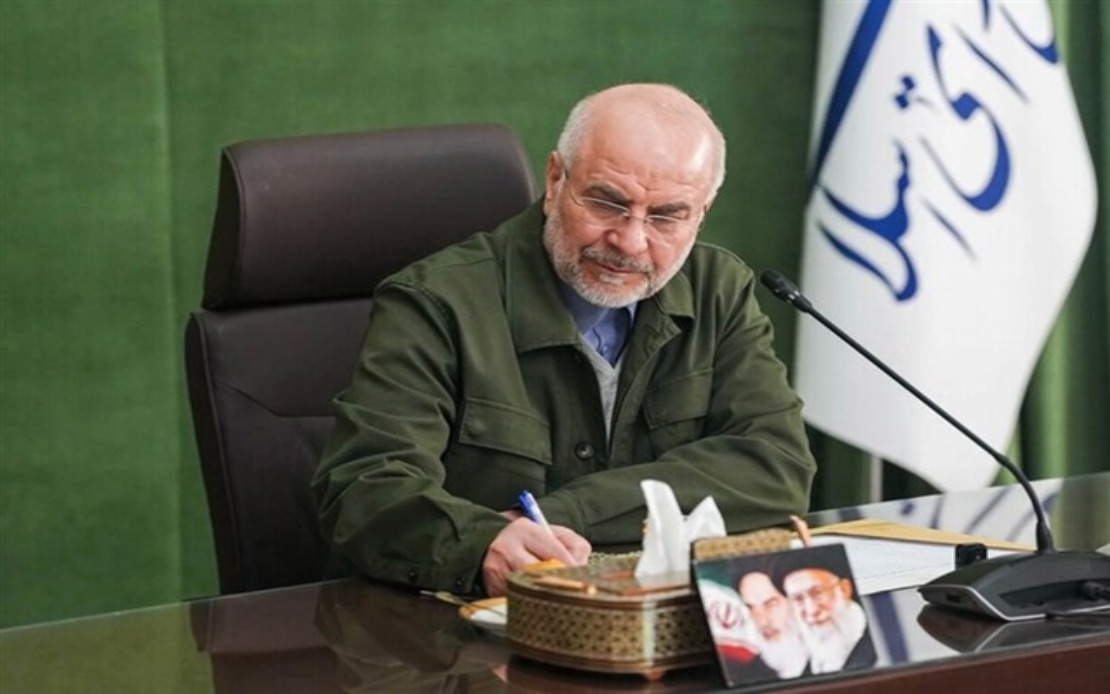
The Iranian government has flatly contradicted assertions from Washington that funds released through recent sanctions relief will be channelled toward purchasing United States agricultural commodities. Mohammad Bagher Ghalibaf, Iran's Parliament Speaker and a senior negotiator in the nuclear talks, issued the rebuke on Thursday through social media, dismissing what he characterised as a false American narrative about the deployment of unfrozen Iranian assets.
Ghalibaf's intervention underscores deepening friction between the two nations despite their commitment to a peace framework signed on June 18. That memorandum of understanding establishes a 60-day window for comprehensive negotiations aimed at resolving longstanding disputes over Iran's nuclear programme and the removal of economic sanctions that have crippled Tehran's economy for years. The agreement itself represents a significant diplomatic breakthrough after months of indirect communications and shuttle diplomacy, yet fundamental disagreements over the practical application of sanctions relief continue to surface.
The current dispute originated from statements made by American officials earlier in the week. Vice President JD Vance suggested on Monday that Iran would utilise its recovered financial resources to import American soybeans, corn, and wheat. President Donald Trump reinforced this narrative on Tuesday, going further by proposing that the funds be deposited into an escrow account controlled by the United States, with strict provisions limiting their use exclusively to purchasing American food and medical supplies.
Iran's response has been swift and multifaceted, with senior officials across different government branches articulating a consistent message: the nation will make independent spending decisions based entirely on national interest and market economics. On Tuesday, Foreign Ministry spokesperson Esmaeil Baghaei publicly stated that Iran would deploy these assets in accordance with its own strategic priorities, completely free from external constraints. Baghaei emphasised that procurement choices would be determined by conventional commercial considerations—price competitiveness and product quality—rather than political directives from any external actor.
The Central Bank's perspective adds a nuanced layer to this standoff. Governor Abdolnaser Hemmati acknowledged that while Iran faces no formal obligation to purchase American agricultural goods, the country remains open to acquiring such products if they offer superior value for money compared to alternatives available in global markets. This position, technically more flexible than Ghalibaf's outright rejection, actually reinforces the Iranian principle of autonomous decision-making and suggests that American agricultural products would compete on merit rather than being imposed through sanctions conditionality.
Ghalibaf's rhetoric cuts deeper than mere disagreement over trade flows. His X post employed pointed language about historical grievances, suggesting that American suspicions about Iranian spending reflect the accumulated damage of decades-long hostility between the two nations. By invoking the metaphor of harvesting what America has sown—decades of mistrust—he reframed the dispute as symptomatic of broader relationship dysfunction rather than a simple commercial disagreement. This rhetorical move serves to establish Iran's negotiating position as rooted in justified historical grievance rather than arbitrary nationalist posturing.
The timing of this clash is particularly significant given that substantive negotiations were occurring simultaneously in Switzerland. The latest round of talks between Iranian and American delegations took place on Sunday and Monday—precisely when Vice President Vance was making his public statements about agricultural purchases. The juxtaposition suggests either that the US administration was attempting to shape public expectations before negotiations concluded, or that negotiators in Switzerland had reached an impasse on fundamental issues and resorted to public pressure tactics.
For Southeast Asian observers and Malaysian policymakers, this disagreement illuminates the fragility of recent progress in Iran-US relations. Malaysia has long maintained economic and diplomatic ties with Iran despite Western sanctions, making the nation acutely aware of how sanctions regimes function and how disputes over their relaxation can undermine even tentative agreements. The current row demonstrates that technical progress in nuclear negotiations does not automatically translate to harmonious implementation of resulting agreements.
The dispute also reflects asymmetries in bargaining power and expectations. The American insistence on controlling how released assets are spent reveals Washington's continuing desire to maintain leverage over Iran even after sanctions removal, transforming what Tehran views as restitution of its own money into a conditional gift requiring compliance with American preferences. Iran's pushback asserts the principle that unfrozen assets constitute a return of the nation's own wealth, not development assistance requiring conditions and oversight.
The 60-day negotiating window established by the June 18 memorandum now assumes critical importance. Rather than facilitating movement toward comprehensive agreement, the immediate weeks ahead will likely witness sustained brinkmanship over specific provisions governing asset deployment, sanctions removal sequencing, and verification mechanisms. Iranian officials have demonstrated they will not accept arrangements that effectively subordinate economic decision-making to American oversight, even if formally framed as escrow arrangements or purchasing restrictions.
This clash also foreshadows potential implementation challenges. Even if negotiators reach a final nuclear agreement, disputes over interpretation and execution of financial provisions could rapidly undermine the accord's durability. Historical precedent suggests that ambiguity about the practical application of sanctions relief has repeatedly derailed previous attempts at Iran-US reconciliation, making clarity on these issues essential for any agreement's longevity.

