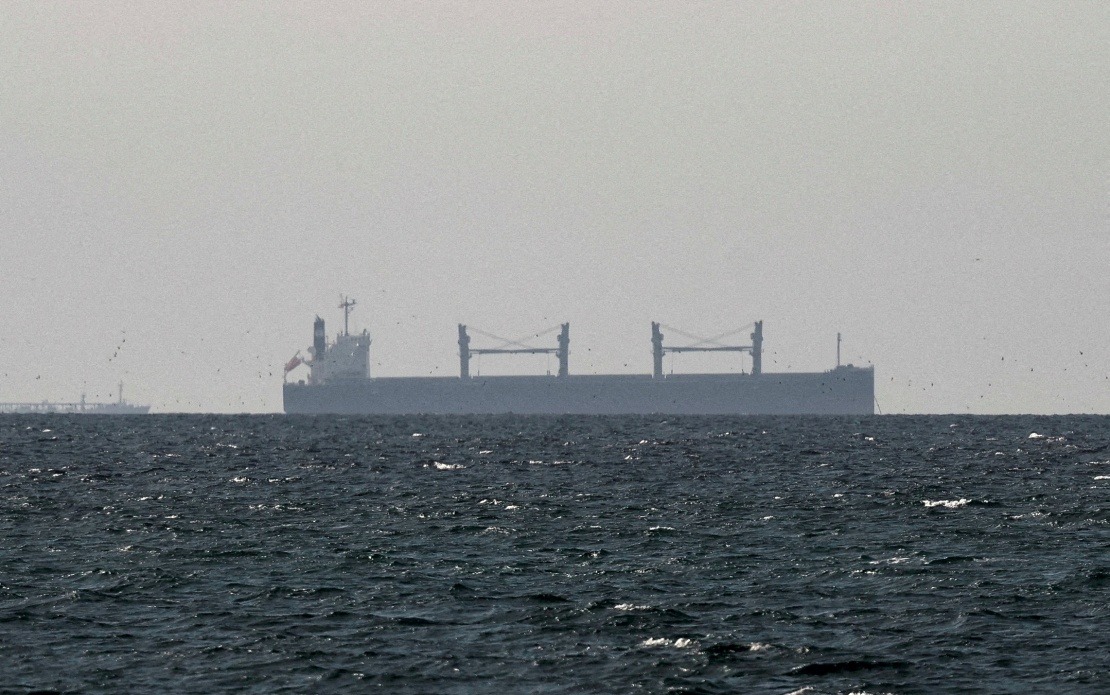
Iran's Islamic Revolutionary Guard Corps declared on Friday that two oil tankers had been damaged after striking mines while traversing the strategically vital Strait of Hormuz, marking a significant escalation in regional instability. The IRGC alleged through a statement carried by the state-affiliated Fars News Agency that the vessels had been encouraged by American intelligence agencies to enter the contested waterway earlier that day. However, the military force provided no identification of the tankers, withheld information about potential casualties, and declined to specify their flags and operators, leaving observers without independent verification of the claims.
The allegations represent another destabilizing episode in the contentious waters that separate the Arabian Peninsula from Iran's coastline. This critical maritime passage handles approximately one-third of global seaborne oil exports and serves as a lifeline for liquefied natural gas shipments to international markets. Any disruption to transit through these waters reverberates across global energy markets and affects supply chains from Europe to East Asia, making the situation particularly relevant to energy-dependent economies throughout Southeast Asia, including Malaysia.
The IRGC statement went further in declaring the Strait of Hormuz "extremely unsafe" and "completely closed," threatening to maintain restrictions on petroleum, natural gas, and chemical fertilizer shipments from the region indefinitely. The organization explicitly cautioned all commercial shipping to avoid the area, suggesting that vessels faced substantial risks including physical damage and loss of life. This warning reflects the dangerous operating environment that has developed as regional antagonisms intensify despite recent diplomatic initiatives aimed at de-escalation.
The timing of the incident is particularly troubling given that a Pakistan-brokered memorandum of understanding was purportedly signed the previous month with the stated purpose of terminating ongoing military hostilities and establishing a durable peace framework between the conflicting parties. Yet developments on the ground suggest that this agreement has failed to translate into tangible restraint, with both sides continuing to engage in military operations and provocative actions. The persistence of these confrontations indicates deeper structural disagreements that mere diplomatic agreements have yet to resolve.
For Malaysian policymakers and businesses, the implications extend beyond rhetorical posturing. Malaysia's economy depends significantly on stable global energy supplies and unobstructed international trade routes. The Strait of Hormuz bottleneck has become increasingly volatile, and any extended closure would disrupt oil supplies to refineries throughout the region and inflate energy costs for manufacturers and consumers alike. Malaysian shipping companies operating in the Persian Gulf region must now contend with heightened insurance premiums and navigational hazards, effectively raising transportation expenses across supply chains.
The broader pattern of military escalation in the Persian Gulf reflects fundamental disagreements between Iran and the United States that extend well beyond the immediate tactical situation in the strait. American military presence in the region, Iranian assertions of sovereignty over contested waters, and competing geopolitical interests have created a powder keg atmosphere. The unverified nature of the IRGC's mine strike claims further muddies the situation, as neither side appears willing to allow independent fact-finding that might clarify what actually occurred.
Regional security analysts have expressed concern that incidents like this, whether genuine or exaggerated, create dangerous opportunities for miscalculation. If either party responds to perceived provocations without full information, the situation could rapidly spiral into open conflict affecting a far broader geographic area. The risks extend to international shipping, which requires predictability and security to maintain global commerce. Insurers and shipping lines must now navigate impossible operational decisions about whether to route vessels through dangerous waters or accept enormous delays by circumnavigating the entire African continent.
The broader context of US-Iran tensions cannot be divorced from its regional consequences. Proxy conflicts, naval posturing, and competing claims over maritime boundaries create a constantly shifting security environment that destabilizes the entire Middle Eastern region. For Southeast Asian nations with significant interests in global trade and energy security, this instability abroad translates into higher commodity costs, supply chain uncertainty, and reduced economic growth potential. Malaysia's position as a trading hub and energy consumer makes it particularly vulnerable to disruptions emanating from the Persian Gulf.
Meanwhile, the apparent failure of the Pakistan-brokered memorandum to generate meaningful behavioral change raises questions about the viability of diplomatic solutions when underlying power competition remains unresolved. Both Iran and the United States appear to view military demonstrations as legitimate tools for signaling resolve and deterring adversary actions. This creates a security dilemma where each side's defensive measures appear threatening to the other, generating cycles of escalation rather than confidence-building.
Moving forward, the international community faces difficult choices about how to respond to claims and counterclaims regarding incidents in the Strait of Hormuz. Independent maritime monitoring mechanisms and verified reporting could help reduce uncertainty and prevent misunderstandings, but establishing such mechanisms requires cooperation from all parties. The stakes for global economic stability and energy security remain extraordinarily high, making it imperative that diplomatic channels remain open even as military tensions surge. For Malaysia and other nations dependent on free passage through contested waters, advocating for international mechanisms to ensure maritime safety and freedom of navigation must become a priority concern.

