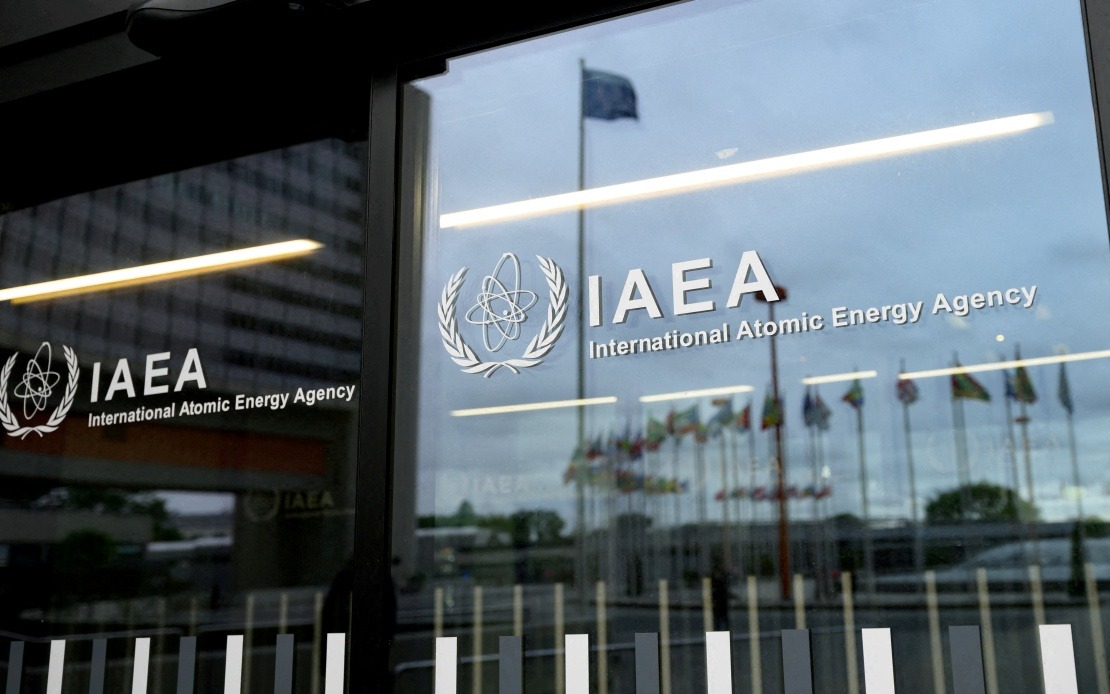
Iran is taking a hardline stance on nuclear transparency during delicate peace negotiations with the United States, refusing to grant the International Atomic Energy Agency access to its bombed nuclear sites until a comprehensive final agreement is reached. Kazem Gharibabadi, Iran's Deputy Foreign Minister for Legal and International Affairs, declared on Wednesday that questions of facility access and materials inspection will be addressed solely through the framework of a final nuclear accord, contingent upon Washington's demonstrated commitment to lifting all economic sanctions. The position represents a significant obstacle to the verification protocols that typically accompany international nuclear diplomacy.
The declaration came immediately after IAEA Director General Rafael Grossi announced the agency intended to conduct inspections in Iran based on the terms of a recently-signed peace memorandum of understanding between Tehran and Washington. Grossi had specifically requested to meet with Iran's negotiating delegation in Switzerland, yet Gharibabadi confirmed that no such meeting materialised, signalling the depth of Iranian resistance to premature verification measures. This refusal underscores Tehran's reluctance to allow international scrutiny of its nuclear programme while ongoing talks remain in their infancy.
The underlying context involves significant physical damage to Iran's nuclear infrastructure. The facilities at Fordow, Natanz and Isfahan—among the nation's most critical nuclear installations—were targeted during recent military strikes, first during a twelve-day June 2025 conflict and subsequently in escalations beginning 28 February of this year. Both the United States and Israel have conducted repeated aerial campaigns against Iranian nuclear and military targets, leaving the three major sites partially or substantially damaged. This destruction has complicated verification efforts, as inspectors would need to assess both current operational status and the extent of previous bombardment damage.
The diplomatic framework governing current negotiations was established through a memorandum of understanding signed on 18 June, which prescribes a sixty-day negotiation window aimed at producing a definitive nuclear agreement and comprehensive sanctions relief. Initial discussions occurred in Switzerland on 23 and 24 June, representing the first formal negotiating session under the new timeline. The compressed schedule creates pressure on both parties to reach consensus, yet Iran's insistence on decoupling inspection access from the broader negotiation process threatens to slow progress significantly.
Iran's conditional approach reflects broader strategic calculations within Tehran's negotiating posture. By refusing to grant IAEA access before a final deal, Iranian officials are attempting to leverage verification as a bargaining chip, ensuring that Washington must make concrete concessions on sanctions—including removal of all existing restrictions—before Iran voluntarily submits to international inspection regimes. This tactical positioning draws a clear connection between verifiable nuclear compliance and tangible economic relief, signalling that Iranian negotiators will not separate these issues.
The IAEA's role in any future agreement carries particular significance for regional stability. The agency would typically serve as the independent mechanism through which all parties can confirm Iran's adherence to nuclear limitations, providing assurance to the broader international community. However, Iran's current stance suggests that Tehran views premature inspections as compromising its negotiating leverage, potentially revealing operational details or damage assessments that could strengthen the US position in discussions over sanctions intensity and duration.
For Malaysia and other Southeast Asian nations closely monitoring this standoff, the implications extend beyond nuclear non-proliferation concerns. The region's energy security depends substantially on stable Middle Eastern relations and uninterrupted global oil supplies; prolonged nuclear tensions or conflict escalation in the Persian Gulf directly affects regional economies. Furthermore, international verification mechanisms and compliance frameworks established through Iranian negotiations could influence how other nations approach nuclear transparency obligations, setting precedents that regional powers may reference in their own diplomatic engagements.
The current impasse illustrates the fundamental challenge confronting nuclear diplomacy in contexts of recent military escalation. When military strikes precede negotiations, the damaged party often views inspections as victor's prerogatives rather than neutral verification measures. Iran's resistance reflects this dynamic, treating inspection access as something that must be earned through comprehensive sanctions relief rather than granted as a confidence-building measure. This zero-sum framing complicates the collaborative verification spirit that typically underpins successful nuclear agreements.
Gharibabadi's public statement via social media represents a deliberate escalation of Iranian rhetoric, signalling to domestic constituencies that the government will not capitulate on key principles. The emphasis on linking IAEA access exclusively to the final agreement—contingent upon demonstrated American action—demonstrates that Tehran is conditioning every dimension of cooperation on tangible reciprocal measures from Washington. This approach carries risks; if the United States interprets Iranian intransigence as a negotiating tactic rather than a principled position, it could harden American demands for inspections and verification provisions.
The sixty-day window established in the memorandum of understanding provides limited time for resolving such fundamental disagreements about inspection protocols and verification sequencing. Both parties must determine whether access arrangements represent preconditions for agreement or components to be negotiated as part of the comprehensive final package. The answer to this question will largely determine whether the current diplomatic initiative succeeds in producing a sustainable accord or collapses amid mutual recriminations about bad faith negotiating positions.
Looking forward, Iranian negotiators face pressure to balance domestic expectations—particularly the demand that economic sanctions be comprehensively lifted before full transparency measures are implemented—against international concerns about nuclear proliferation. The IAEA's role will prove critical; whether Grossi's agency can eventually access the bombed sites to assess their current status and operational capabilities may ultimately determine the credibility and durability of any agreement reached during these high-stakes talks.

