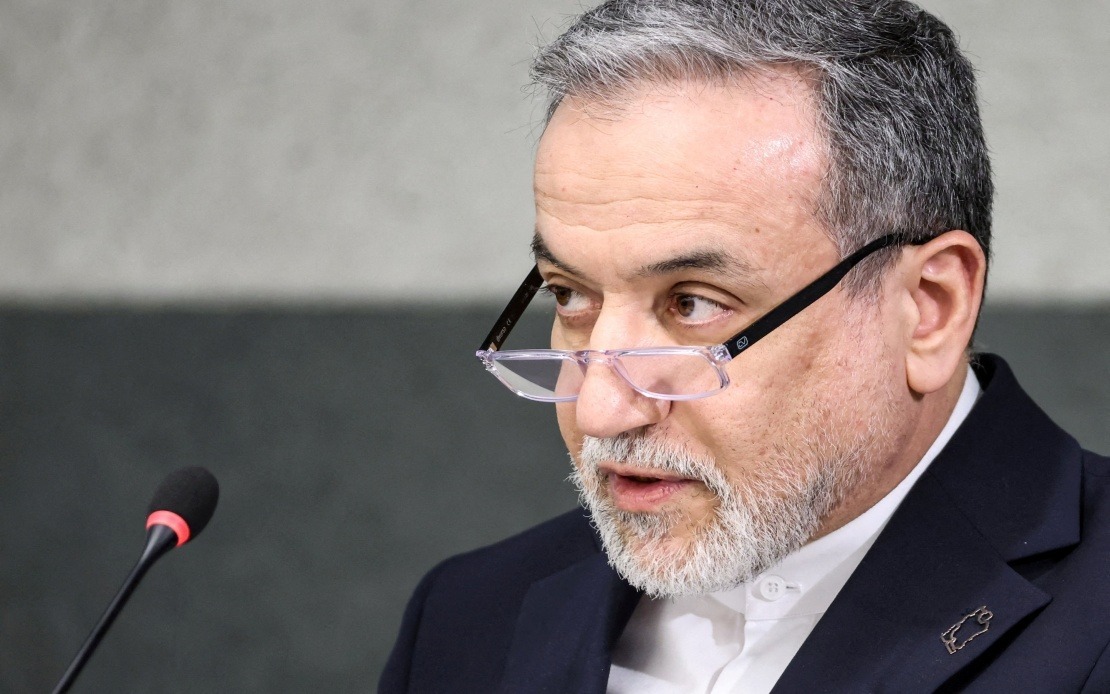
Iran's Foreign Minister Abbas Araghchi has mounted a forceful diplomatic response to US President Donald Trump's proposal to impose tolls on vessels navigating the Strait of Hormuz, one of the world's most critical maritime chokepoints. Speaking on Monday from Istanbul, Araghchi reframed the debate over transit fees while simultaneously reasserting Iran's central role as the guardian of this strategically vital waterway that channels roughly one-third of global maritime trade. His measured yet pointed remarks signal Tehran's determination to maintain influence over the region despite escalating tensions with Washington.
The Iranian foreign minister's response began with apparent agreement with Trump's underlying premise that entities providing security and safe passage through the Strait deserve compensation for their services. However, Araghchi quickly pivoted to challenge the specifics of Trump's proposal, stating that while the principle merits consideration, the proposed 20 per cent fee was excessive. This rhetorical approach allowed Iran to occupy the moral high ground by appearing reasonable while simultaneously delegitimising Washington's claims to manage the strategically vital corridor.
Trump's announcement, made early Monday, outlined a more aggressive American posture toward Iran and the Strait of Hormuz. The US president indicated that Washington would establish a blockade of Iran in the waterway and implement a 20 per cent toll system for commercial shipping seeking safe passage. This proposal represents a significant escalation in rhetoric and potentially in policy, suggesting the Trump administration intends to leverage control of the Strait as both a geopolitical tool and a revenue-generation mechanism. For regional observers and international shipping interests, such a move would fundamentally alter the security calculus and commercial dynamics of one of Asia's most economically important sea lanes.
Araghchi's declaration that "Iran has always been the GUARDIAN of the Strait and will remain so FOREVER" encapsulates Tehran's strategic narrative regarding its natural and historical claim to custodianship of these waters. This framing draws on geographical reality—the Strait of Hormuz lies along Iran's coastline—and on Iran's security role in monitoring and maintaining passage through the waterway. By capitalising on this positioning, Iran challenges the legitimacy of external powers, particularly the United States, attempting to unilaterally impose new commercial or military arrangements in the region.
The broader context of US-Iran relations adds urgency and complexity to this dispute. Tensions between the two powers have escalated significantly, marked by tit-for-tat military manoeuvres and attacks that have raised the spectre of direct confrontation. Notably, despite efforts by Pakistan to mediate through a memorandum of understanding aimed at establishing a ceasefire and advancing toward a permanent peace settlement, the two nations continue exchanging provocative actions that suggest the underlying conflict remains unresolved and volatile.
For Malaysia and other Southeast Asian nations, developments regarding the Strait of Hormuz carry substantial implications. The region's economies depend heavily on uninterrupted maritime trade routes, and any disruption to shipping through the Strait would reverberate throughout global supply chains. Higher transit costs or heightened security risks stemming from US-Iran tensions could inflate shipping expenses, increase insurance premiums, and introduce uncertainty into logistics planning for businesses across Southeast Asia. Malaysian ports and maritime operators would face particular pressure if international vessels required expensive security measures or faced blockade threats.
The commercial implications extend beyond shipping costs. The Strait of Hormuz remains central to global energy security, with crude oil and liquefied natural gas transiting through its waters destined for markets worldwide, including Southeast Asia. Should the United States successfully implement tolls or blockades, or should Iran respond with countermeasures, energy prices could spike, affecting manufacturing competitiveness and consumer prices throughout the region. Malaysia's petrochemical and manufacturing sectors, both sensitive to energy costs, would face significant headwinds.
Iran's insistence on maintaining guardian status over the Strait reflects both tactical positioning and strategic necessity. Control over this waterway grants Iran leverage in negotiations, the ability to influence regional security arrangements, and potential revenue opportunities. By pre-emptively claiming guardianship and suggesting it would implement fair rather than exploitative tolls, Araghchi attempts to occupy the rhetorical centre, positioning Iran as the reasonable stakeholder and Trump's proposal as overreach by an external power.
The dispute also highlights the fragility of regional stability mechanisms. Pakistan's mediation efforts and the memorandum of understanding represent attempts to create structured channels for de-escalation, yet these diplomatic instruments appear insufficient to prevent the two powers from engaging in provocative military posturing. This pattern suggests that negotiated settlements without deeper structural agreements about maritime rights, security arrangements, and economic cooperation remain vulnerable to unraveling, particularly when incoming administrations in Washington introduce policy shifts.
Looking forward, the trajectory of this dispute will depend on whether Trump's toll proposal represents serious policy intent or negotiating positioning, whether Iran's adamant stance reflects genuine resolve to resist external control or bargaining theatre, and whether Pakistan's mediation or other regional actors can facilitate dialogue that prevents escalation into direct military confrontation. For Southeast Asia, these developments warrant careful monitoring, as any significant disruption to the Strait's security or commerce would impose immediate costs on the region's trading nations and energy-dependent economies.

