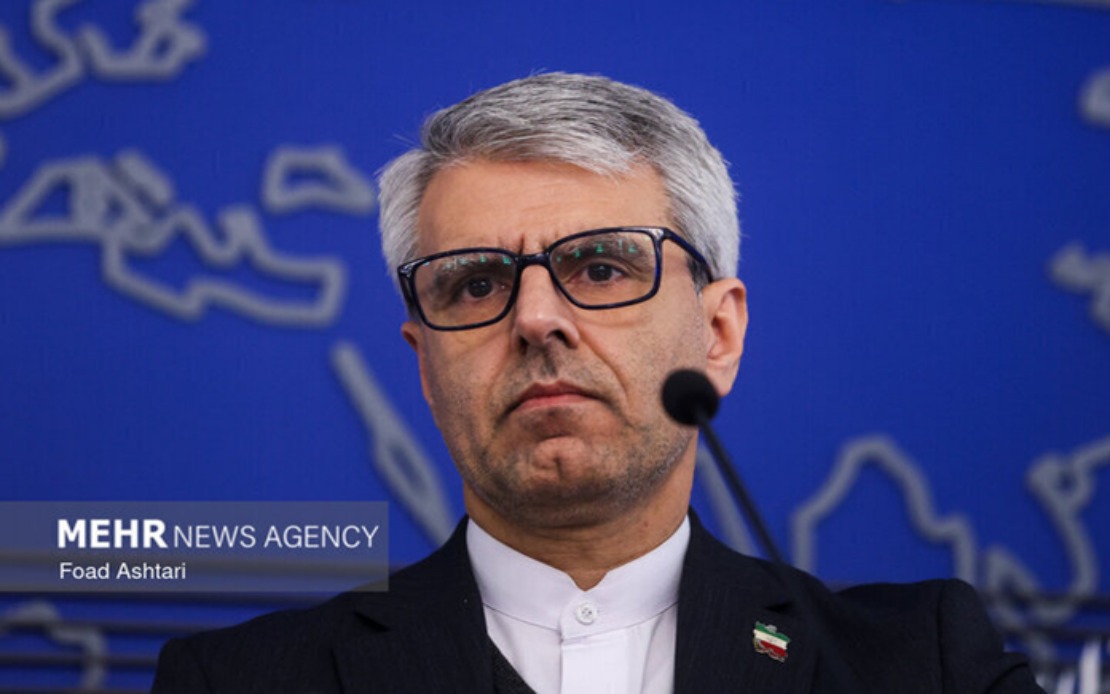
Iran and Oman have agreed to sustain their dialogue on safeguarding navigation through the Strait of Hormuz, signalling a diplomatic effort to manage one of the world's most critical maritime corridors amid escalating geopolitical tensions. The commitment emerged following a visit by Iranian Foreign Minister Abbas Araghchi to Oman on Saturday, with Iranian Foreign Ministry spokesman Esmaeil Baghaei confirming that both nations would maintain consultations spanning political, legal, and technical dimensions to establish a shared framework for maritime safety.
The agreement carries significant weight given the recent turbulence surrounding the strategic waterway. Earlier, Iran's Islamic Revolutionary Guard Corps had declared its intention to close the Strait of Hormuz in response to what it characterised as persistent United States interference in the region, declaring that no vessels would be permitted transit. Such rhetoric has prompted deep concern among global powers and trading nations, as the strait serves as a chokepoint through which approximately one-third of the world's seaborne oil and liquefied natural gas passes annually.
Oman's role in these consultations reflects its longstanding position as a regional mediator and its geographic proximity to the strait. The sultanate has traditionally maintained relatively neutral relations across the Gulf, positioning itself as a bridge between Tehran and Western powers. This diplomatic engagement with Iran demonstrates Oman's commitment to preventing actions that could destabilise one of the world's most economically vital maritime zones and disrupt international commerce.
Baghaei's statement underscored that the management framework for the Strait of Hormuz should emerge from bilateral consultations between Iran and Oman, incorporating lessons from recent escalations and accounting for military actions by the United States and Israel directed at Iranian targets. This formulation suggests Iran seeks to anchor any future arrangements in direct negotiations with neighbouring states rather than through multilateral or Western-led mechanisms.
The inclusion of Qatar in these consultations highlights the broader diplomatic architecture taking shape in the Gulf region. As a state that has historically maintained channels of communication with both Iran and the United States, Qatar's participation signals an effort to keep diplomatic pathways open and explore potential compromises that could de-escalate the situation. Qatar's intermediary role reflects the complexity of regional dynamics and the recognition that sustainable solutions require buy-in from multiple stakeholders with varying interests and influence.
For Malaysia and other Southeast Asian economies, developments in the Strait of Hormuz carry immediate implications. The region's dependence on Gulf energy supplies makes any disruption to the strait a matter of acute concern. Malaysian shipping and petrochemical industries rely heavily on unimpeded access to these markets and resources. Any prolonged closure or heightened tensions would impose significant costs on regional economies already navigating global trade uncertainties.
The timing of these consultations follows months of simmering tensions and tit-for-tat military incidents in the Gulf. Iran has previously threatened to block the strait in response to what it views as provocative actions by the United States and its regional allies. These threats, while often rhetorical, reflect genuine strategic concerns and technological capabilities that cannot be dismissed. The fact that Iran and Oman are now engaging in structured dialogue suggests recognition on both sides that military escalation serves no party's interests.
The diplomatic engagement also reflects Iran's effort to consolidate regional support for its position without entirely burning bridges with Western interlocutors. By working through Oman and maintaining Qatar's involvement, Tehran seeks to present itself as a responsible actor open to negotiations while simultaneously maintaining its firm stance on what it perceives as external aggression. This calibrated approach aims to complicate any potential military responses while preserving space for negotiated settlements.
Oman's willingness to host these conversations and facilitate dialogue between Iran and other regional and international actors underscores the sultanate's strategic interests in maintaining stability. A closure of the Strait of Hormuz would harm Oman's own economy and compromise its position as a trusted neutral party in Gulf affairs. By actively engaging in these consultations, Oman signals its commitment to preventing such scenarios.
The agreement to continue multi-level consultations represents a cautious step toward de-escalation rather than a comprehensive resolution of underlying disputes. The framework encompassing political, legal, and technical discussions suggests efforts to address different dimensions of the challenge simultaneously. Technical discussions might cover surveillance systems and safety protocols, legal consultations could explore maritime law frameworks, while political talks address broader strategic concerns and security guarantees.
For international observers and regional economies, these developments offer a sliver of reassurance that diplomatic channels remain open and that key players recognise the catastrophic consequences of allowing tensions to spill into open conflict. The willingness of Iran to engage in sustained dialogue, even while maintaining hardline rhetoric, suggests calculating leadership conscious of economic costs and international isolation. Similarly, Oman's active mediation reflects Gulf leadership attuned to the mutual interests in stability that transcend sectarian and geopolitical divisions.

