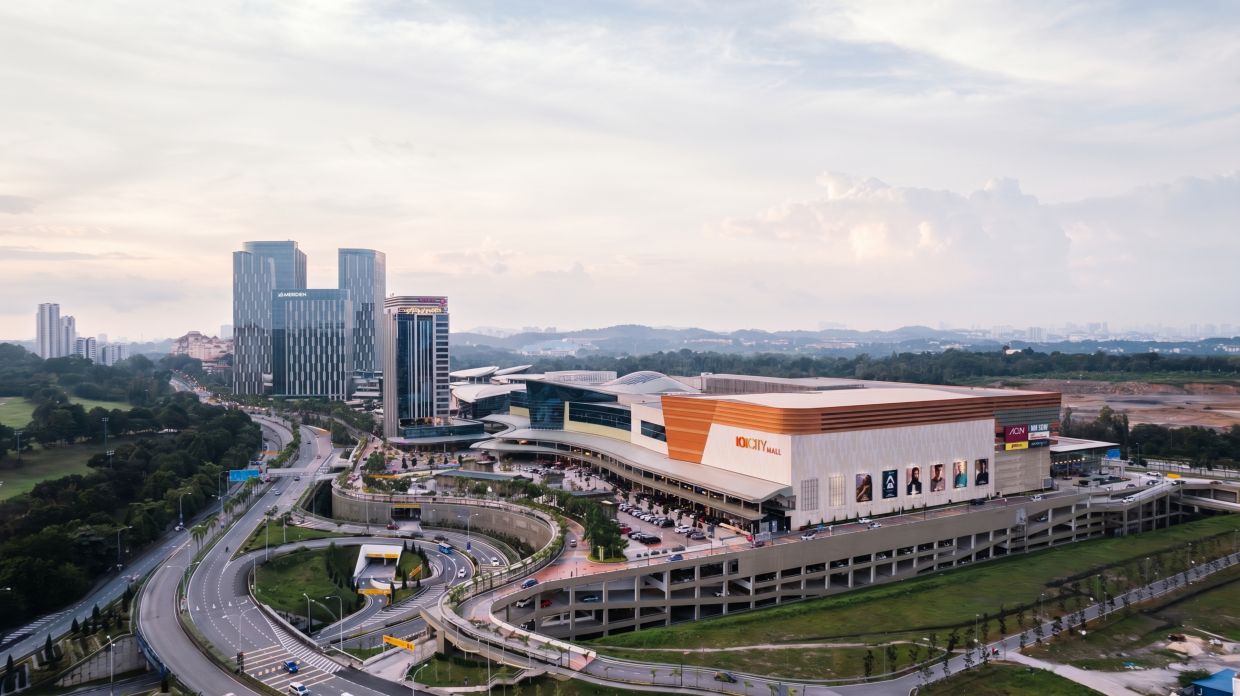
IOI Properties Group has cleared a major regulatory hurdle with the Securities Commission's approval for a real estate investment trust that will debut with initial capital of 5.5 billion units and underlying assets valued at RM7.58 billion. The company's filing with Bursa Malaysia signals the imminent arrival of one of Malaysia's most significant property securitisation initiatives, consolidating a portfolio of blue-chip commercial and hospitality assets into a structure designed to unlock value for shareholders while creating a new investment vehicle for both institutional and retail players.
The REIT will bundle together an impressive collection of marquee developments that define Malaysia's modern commercial landscape. IOI City Mall's two phases and IOI City Towers, anchoring the Putrajaya precinct, form the retail and office backbone of the offering. Alongside these sits PFCC Towers, contributing further office space to the portfolio. The hospitality component represents a particularly attractive element for investors, spanning six premium-branded properties: Putrajaya Marriott, Le Méridien Putrajaya, Moxy Putrajaya, Four Points by Sheraton Puchong, W Kuala Lumpur, and Courtyard by Marriott Penang. This diversification across locations and asset classes substantially reduces concentration risk while positioning the REIT to benefit from multiple income streams across distinct sub-markets.
Financing the acquisition of these assets required a carefully structured approach that balances equity and debt. IOI Properties will issue 5.5 billion consideration units priced at 90 sen each, generating RM4.95 billion in equity capital. The remaining funding requirement of RM2.65 billion will come through Islamic sukuk financing, a choice that reflects both the company's sophistication in capital markets and Malaysia's developed Islamic finance ecosystem. This combination allows the group to preserve its balance sheet flexibility while establishing the REIT with a prudent leverage profile from inception.
The initial public offering itself demonstrates considerable complexity in its structuring, reflecting the Securities Commission's emphasis on ensuring broad participation while protecting Bumiputera interests. The retail tranche comprises 715.6 million units allocated across multiple categories. Within retail offerings sits a restricted offer for sale exclusively to existing IOI Properties Group shareholders, a mechanism that rewards loyalty and maintains some connection between the parent company and its investor base. Beyond shareholder allocations, portions will flow to eligible persons under regulatory frameworks, with a public segment of 55 million units specifically reserved for Bumiputera investors, ensuring that Malaysia's indigenous business community gains meaningful access to this premium asset pool.
The institutional component of the offering is equally substantial, with up to 1.48 billion units available for placement among sophisticated investors. These units target both Bumiputera-approved institutional investors and conventional institutional players, striking another balance between inclusivity and market efficiency. For institutional investors, the REIT represents an opportunity to gain exposure to stabilised, income-generating properties managed by an experienced operator without requiring direct property ownership or management responsibilities. The segmentation of institutional allocations acknowledges Malaysia's policy commitment to broadening Bumiputera participation in capital markets while recognising that professional investors form an essential constituency for liquidity and pricing discovery.
The Securities Commission's conditional approval introduces governance safeguards that shape how the REIT will operate post-listing. The mandate that Bumiputera equity participation reach at least 12.5% institutionalises the government's development objectives within the REIT structure itself, setting a floor below which Bumiputera ownership cannot fall. This requirement, while adding administrative complexity, reflects broader Malaysian policy encouraging indigenous participation across all investment classes. The commission's insistence on operational audits after the REIT begins trading establishes an accountability framework ensuring that asset management meets quality standards and that fund performance remains transparent to unitholders. These conditions represent the regulator's approach to balancing investor protection with the legitimate business interests of the operator.
For IOI Properties Group, the REIT listing represents a watershed moment in its corporate evolution. The group has accumulated these trophy assets over years of disciplined acquisition and development, and the securitisation mechanism allows it to crystallise value while retaining management control and potentially long-term ownership stakes. The move parallels international best practice where mature property operators recycle capital from development activities into yield-focused vehicles, improving overall return on equity. The RM7.58 billion valuation placed on the contributed assets signals the confidence the group and regulators place in the quality and income-generation potential of these properties.
For Malaysia's investor community, the REIT creates an important new avenue for property exposure. Rather than pursuing expensive direct ownership or navigating the complexity of mixed-use development investments, Malaysian investors can now acquire units in a professionally managed, diversified property vehicle with exposure to some of the country's most recognisable properties. The inclusion of retail, office, and hospitality assets positions the fund to benefit from Malaysia's ongoing urbanisation, tourism recovery, and commercial real estate evolution. The Bumiputera-specific allocations ensure that this opportunity is not concentrated among already-privileged investor groups but reaches the business community the government seeks to develop.
The broader implications extend beyond IOI Properties alone. A successful REIT listing of this scale and quality will likely accelerate similar initiatives from other major property holders, potentially creating a more robust ecosystem of property investment vehicles across Southeast Asia's largest economy. The detailed attention to Bumiputera participation and governance conditions shown by the Securities Commission in approving this transaction may establish a template for future REIT approvals, signalling to investors and operators alike the regulatory environment's expectations around inclusivity and accountability.
Looking ahead, the success of this offering will depend on effective investor communication, realistic expectations regarding yields and capital appreciation, and continued operational excellence across the portfolio assets. The properties bundled into this REIT are not speculative developments but established, revenue-generating assets, which should support relatively stable unit valuations and distributions. As Malaysia seeks to develop deeper, more liquid capital markets and provide citizens with diversified investment opportunities, this REIT represents exactly the kind of institutional-quality offering that builds long-term investor confidence and participation in wealth creation through property investment.

