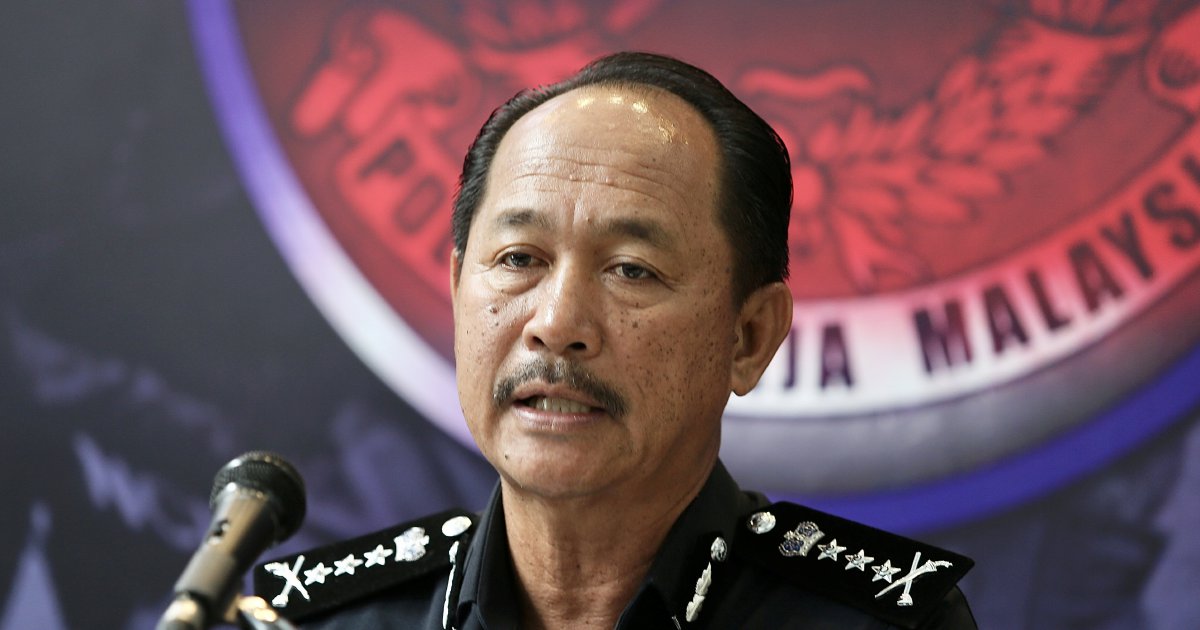
Police authorities in Sabah have initiated a formal investigation into the fatal incident that claimed the lives of three uniformed officers in Kampung Weston, Beaufort. The development marks a significant operational challenge for law enforcement in the state, as investigators work to establish the precise sequence of events and underlying causes that led to the deaths of the three policemen.
The incident, which occurred in Kampung Weston, has triggered immediate action from law enforcement leadership, with an investigation paper officially opened to guide the systematic examination of available evidence and circumstances. Such measures represent standard protocol in cases involving officer fatalities, ensuring that all relevant details are thoroughly documented and analysed according to established investigative procedures. The opening of a formal investigation paper signals the gravity with which authorities are treating the matter and underscores their commitment to transparency in the investigation process.
Autopsies have been ordered as a critical component of the inquiry, allowing forensic pathologists to conduct detailed medical examinations of the deceased officers. These post-mortem procedures will provide essential medical and scientific data that may shed light on the exact cause or causes of death, whether through injury, medical incident, or other factors. The autopsy findings will likely prove instrumental in guiding the broader investigation and determining what investigative avenues warrant further pursuit.
The location of the incident, Kampung Weston in Beaufort, lies within a district that has occasionally been in the spotlight regarding security matters and police operations. Beaufort, situated in the southern region of Sabah, represents an important operational area for law enforcement personnel, and the loss of three officers represents a significant impact on local policing capacity and morale throughout the state's law enforcement community.
The deaths of serving police officers invariably attract considerable concern among both the force and the wider Malaysian public. Such incidents prompt immediate examination of operational procedures, safety protocols, and the circumstances under which officers came to be in the location where the incident unfolded. Investigators will likely scrutinize the operational context, the nature of the duties the officers were undertaking, and whether any preventive measures might have altered the outcome.
Sabah's police hierarchy has prioritized obtaining swift and comprehensive answers regarding the fatalities. The state has a particular operational environment characterised by diverse geography, ranging from urban centres to remote communities, which occasionally presents distinct challenges for law enforcement deployment and coordination. The incident in Kampung Weston will likely prompt a broader review of safety practices and operational deployment procedures across the state.
The investigation will encompass interviews with relevant personnel, examination of operational logs and communications, and analysis of the scene where the incident occurred. Investigators will need to establish a clear timeline of events and determine whether the deaths resulted from a singular incident or multiple separate occurrences. The scope of the inquiry will expand or narrow based on initial findings from the autopsies and preliminary evidence gathered.
For Malaysian law enforcement as a whole, officer fatalities underscore the occupational hazards inherent in police work, particularly in operational scenarios that may present unforeseen risks. The incident serves as a reminder of the dangers faced by uniformed personnel in their daily duties, and the investigation's outcomes may inform policy adjustments or procedural refinements across broader policing frameworks in Malaysia.
The Sabah police force's reputation and public confidence may be influenced by how transparently and thoroughly the investigation proceeds. Maintaining clear communication with the public, while ensuring investigative integrity, will be essential as authorities work through the details. The commitment to conducting autopsies and opening a formal investigation paper demonstrates institutional responsibility and adherence to established protocols for handling such tragic circumstances.
Family members and colleagues of the deceased officers will understandably await the investigation's findings, seeking understanding of the circumstances that led to their loss. The police force itself will be processing the operational and emotional implications of losing three of its members simultaneously, while simultaneously ensuring that ongoing security and law enforcement operations in Sabah continue without significant disruption.
The investigation's conclusion and any resulting recommendations could have implications extending beyond Sabah, potentially influencing police operational procedures and safety protocols throughout Malaysia and the broader Southeast Asian region. Lessons drawn from such incidents frequently inform improvements in training, equipment, communication systems, and deployment strategies across multiple law enforcement agencies.

