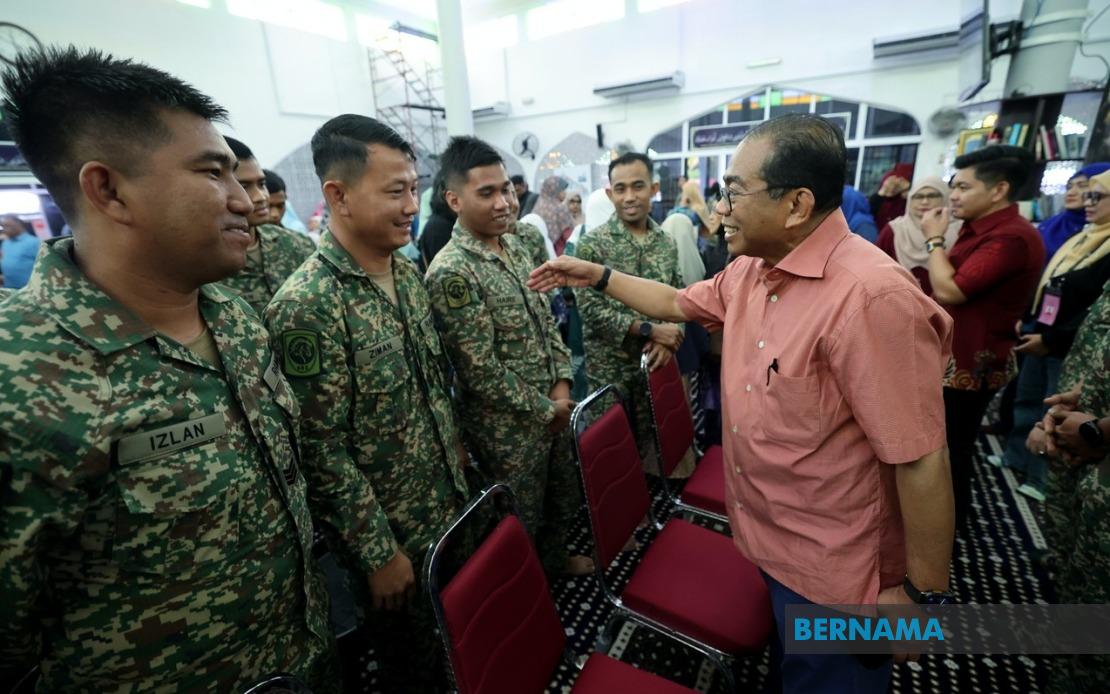
Defence Minister Datuk Seri Mohamed Khaled Nordin has indicated that findings from an investigation into a fatal grenade explosion at Hobart Camp in Gurun will reach the Ministry of Defence by the middle of this month. The minister made the announcement during his attendance at a programme in Kota Tinggi on Friday, assuring that he would provide further updates once the report arrives at his office.
The incident in question occurred on June 16, when a grenade detonated during a training exercise at the facility, resulting in the deaths of two Malaysian Army personnel. Corporal Norazmi Abu Bakar, attached to the Sixth Battalion of the Royal Malay Regiment, and Private Siti Khadijah Sungip from the First Squadron of the Royal Engineers Regiment, sustained catastrophic injuries in the blast at approximately 10:57 am. Both soldiers were transported to Sultan Abdul Halim Hospital in Sungai Petani but were pronounced dead en route to the medical facility.
The fatalities mark a tragic moment for the Malaysian military and have sparked renewed scrutiny of safety protocols at one of the country's principal training installations. The Hobart Camp facility, which has long served as a vital hub for Army personnel development and combat readiness preparation, has now become the focal point of a detailed examination into what went wrong during the routine exercise. Defence officials have stressed the need for comprehensive understanding of the circumstances before making any systemic changes.
Mohammad Khaled indicated that the Malaysian Army has already begun a broader assessment of its training methodologies to ensure such incidents do not recur. This review extends beyond the initial June 16 explosion and takes into account a second accident at the same camp that occurred merely two weeks later. The multiplicity of incidents within such a short timeframe at a single facility has understandably raised concerns among military leadership about whether deeper institutional problems may exist.
On June 29, just thirteen days after the grenade explosion, another accident unfolded during a combat enhancement training exercise at Hobart Camp. On that occasion, a firearm unexpectedly discharged at 6:15 pm, striking two personnel with shrapnel. Sergeant Mohamad Firdaus Che Shaharudin and Corporal Felix Franchis, both from the Fourth Battalion of the Royal Ranger Regiment, sustained leg injuries from the incident. Though the second accident did not result in fatalities, it reinforced concerns that the camp may be experiencing systemic safety lapses.
The Defence Minister emphasised that a thorough evaluation is necessary to identify any underlying deficiencies or structural weaknesses in how training is conducted at the facility. Rather than rushing to implement immediate changes, he indicated that the ministry would await the formal investigation findings before determining what corrective actions are warranted. This measured approach reflects the complexity of military training environments, where risk is inherent but must be managed responsibly.
The investigation process involves multiple stakeholders within the defence establishment, with the report now in its final stages of compilation. Officials have been coordinating across different military branches and administrative levels to ensure the inquiry is comprehensive and impartial. The anticipated submission by mid-July suggests that investigators have already gathered substantial evidence and testimonies from those involved or present during the June 16 incident.
For Malaysia, such incidents carry broader implications beyond the immediate tragic loss of life. The Hobart Camp serves not only as a training ground for regular Army personnel but also as a facility where critical skills for national defence are honed. Any systemic issues that compromise safety could potentially affect the readiness and capability of the armed forces more broadly. The incident also raises questions about equipment maintenance, supervision ratios, and adherence to established safety protocols during live-fire and explosive-based training exercises.
The two successive accidents within a fortnight have prompted military brass to examine whether training intensity, personnel fatigue, or resource constraints might be contributing factors. The investigation will likely explore whether proper safety briefings were conducted, whether equipment was properly inspected, and whether supervisory oversight was adequate during the training exercises. These findings could influence how the Malaysian Army structures its training calendar and allocates resources to safety oversight.
For personnel and their families within the armed forces, the incidents have highlighted the inherent dangers of military training even during routine exercises. The deaths of Corporal Norazmi Abu Bakar and Private Siti Khadijah Sungip underscore the real human cost of defence preparedness and have prompted conversations within military circles about balancing operational readiness with maximum protection for service members. The second incident, though non-fatal, serves as a reminder of how quickly accidents can occur in high-risk training environments.
The Defence Ministry's commitment to releasing findings by mid-July suggests an effort to address public and internal concerns with appropriate urgency while maintaining rigorous investigative standards. The ministry's subsequent review of training approaches across the Army will be closely watched both by defence analysts and by concerned military families. Any recommendations emerging from this investigation could set precedents for how similar training facilities across Southeast Asia approach safety protocols.

