The modern Malaysian office worker faces a deceptive threat to skin health that extends far beyond beach holidays and tropical sunshine. Whether you are responding to emails beside a sunlit window in Kuala Lumpur's gleaming towers or hunched over a laptop in an air-conditioned meeting room, your skin accumulates daily damage that manifests years later as fine lines, wrinkles and stubborn dark patches. The misconception that staying indoors provides natural protection has led countless professionals—particularly in Southeast Asia's rapidly urbanising workforce—to neglect daily suncare routines, accelerating the visible signs of premature ageing without realising the cumulative cost.
The science underlying this phenomenon reveals why our intuitions about sun exposure can be dangerously misleading. Approximately 80% of visible skin ageing stems not from occasional beach outings but from incidental daily exposure to ultraviolet radiation and environmental pollution. This accumulation happens gradually, almost invisibly, during ordinary activities that feel completely benign: a morning commute, a lunch break in the shopping mall, or simply working beside a window. What makes this particularly relevant for Malaysian readers is the region's proximity to the equator, which means year-round intense UV radiation regardless of season or cloud cover. A cloudy afternoon in Penang delivers nearly the same UV exposure as a clear day in temperate climates, yet many people instinctively assume overcast weather means they can skip sun protection.
Even more concerning for office-bound professionals is the emerging research around high-energy visible light, commonly known as blue light. Electronic screens—from laptops to smartphones—emit significant quantities of this wavelength, and studies estimate that approximately 25% of oxidative cellular damage within skin cells actually results from prolonged exposure to HEV blue light rather than traditional UV radiation. This finding has profound implications for Malaysia's growing tech sector workforce, where employees routinely spend eight to ten hours daily in front of digital devices. The continuous glow from screens, combined with ambient indoor lighting, creates a chronic exposure scenario that traditional thinking about suncare has entirely overlooked. Indoor workers, who believed themselves protected by walls and air conditioning, are in fact sustaining ongoing photodamage from sources they never considered threatening.
Addressing this modern reality requires a fundamental shift in how Malaysians approach skincare philosophy. Rather than viewing sunscreen as a holiday essential or a cosmetic inconvenience, dermatologists increasingly advocate for daily application regardless of work location or weather conditions. This perspective aligns with the recognition that our skin does not distinguish between a weekend beach day and an ordinary Wednesday at the office; cellular damage accumulates identically from both scenarios. In fact, epidemiological data shows that approximately 80% of lifetime sun exposure occurs during routine daily activities rather than deliberate outdoor recreation, which means the compounding effect of weekday protection matters far more than most people realise. This reframing is particularly important for Malaysian women and men in professional roles who have historically viewed sunscreen as optional for indoor days.
The practical barriers to consistent daily sun protection have historically centred on product formulation and sensory experience. Traditional high-SPF sunscreens often left faces feeling sticky, heavy or coated with a ghostly white residue—precisely the cosmetic compromises that discouraged busy professionals from maintaining consistent daily routines. This friction point proved particularly problematic in Malaysia's hot, humid climate, where the prospect of layering a thick, greasy product beneath makeup or work attire felt genuinely unpleasant. Consequently, many Malaysians developed an unconscious pattern of applying sunscreen only during outdoor activities or beach trips, leaving weekday indoor skin entirely unprotected despite steady exposure to both ambient UV rays filtering through windows and continuous blue light from computer screens.
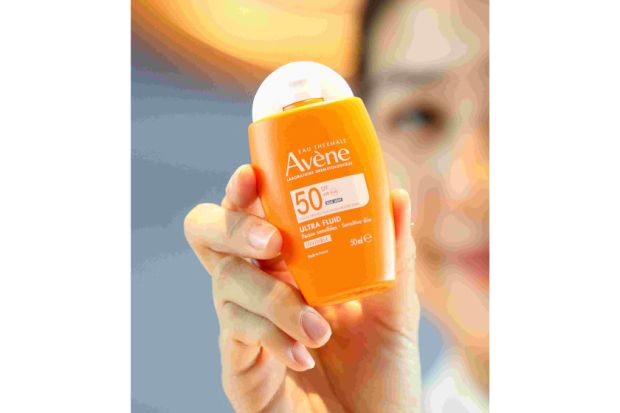
Recent developments in sunscreen technology have begun eliminating these traditional trade-offs through advanced formulation science. The new Ultra Fluid Range from Eau Thermale Avene represents a contemporary approach to daily protection, featuring an ultra-lightweight texture that achieves full absorption in approximately one second without leaving any perceptible residue. The product is engineered to be roughly twice as light as conventional sunscreen formulations, allowing it to integrate seamlessly into existing skincare and makeup routines without the uncomfortable heaviness or visibility that previously deterred consistent application. For Malaysian professionals concerned about maintaining a polished appearance throughout tropical workdays, this innovation removes a significant psychological barrier to establishing daily protection habits.
At the formulation's core sits the TriAsorB sun filter, a patented broad-spectrum technology designed to defend skin against both traditional UVA and UVB radiation while extending protection specifically to high-energy visible blue light. This comprehensive approach acknowledges the multiple pathways through which modern lifestyles generate photoaging, rather than relying on single-mechanism UV protection that ignores blue light exposure. The inclusion of blue light defence is particularly relevant for Southeast Asia's increasingly digitised workforce, where screen time constitutes an inescapable element of professional life. Beyond the filter technology, the formulation maintains a rigorously clean chemical profile, excluding silicones, alcohol and controversial synthetic chemical filters that can irritate sensitive or compromised skin barriers. This careful formulation appeals specifically to the growing segment of Malaysian consumers seeking both efficacy and ingredient transparency in their skincare investments.
The introduction of multiple product variants within the Ultra Fluid Range reflects recognition that no single formulation suits all skin types and daily routines equally. By offering four distinct options tailored to different skincare needs and concerns, the brand acknowledges the diversity of Malaysia's demographic profile and the varying challenges faced by different skin conditions. Someone with oily, acne-prone skin faces different concerns than someone with dry or sensitive skin, yet both require equally robust daily sun protection. The availability of options reduces the likelihood that consumers will abandon sun protection entirely because a single product felt unsuitable, instead encouraging them to identify a variant that integrates smoothly into their individual routines.
The broader significance of this product category expansion extends beyond cosmetic preference into genuine public health territory. Malaysia's equatorial location and rapid urbanisation create a perfect storm for accelerated skin ageing: intense year-round UV exposure combined with increasing time spent in climate-controlled indoor environments where people unconsciously believe themselves protected. The combination of screen time, indoor office lighting and occasional outdoor activity generates complex photodamage patterns that neither traditional sunscreen nor blue light awareness alone can adequately address. By developing products that effectively defend against multiple damage pathways while removing the friction points that discouraged consistent application, the market is finally aligning product characteristics with the actual daily exposure patterns experienced by modern Malaysian professionals.
Institutionalising daily sunscreen application represents a significant behavioural shift, particularly in a region where sun protection has traditionally been relegated to holiday planning rather than integrated into routine self-care. The psychological framing matters enormously: protection ceases to feel like a special-occasion requirement and instead becomes as automatic as brushing teeth. Dermatologists emphasise that this paradigm shift generates measurable long-term benefits, preventing not merely cosmetic concerns like wrinkles and pigmentation but also reducing skin cancer risk and maintaining skin barrier integrity as people age. For Malaysian readers navigating careers that increasingly blur boundaries between office and screen-based work, establishing consistent daily protection habits now determines skin quality decades in the future, making the seemingly modest innovation of lightweight, cosmetically elegant sunscreen formulations a genuinely transformative development in accessible skincare.
The commercial availability of products specifically engineered for daily indoor use without cosmetic compromise represents maturation within the global suncare market, with particular relevance for Southeast Asian consumers whose tropical environment and urbanised lifestyles create both motivation and necessity for comprehensive daily protection. Rather than viewing sunscreen as a seasonal accessory or outdoor activity requirement, dermatological evidence increasingly positions it as a fundamental daily habit equivalent to cleansing and moisturising, integrated seamlessly into existing routines through products engineered specifically for modern lifestyles. For Malaysian professionals concerned about maintaining healthy, youthful-appearing skin throughout their careers, recognising that photoaging accumulates steadily during ordinary indoor workdays—not just during beach vacations—represents the critical mindset shift that finally makes consistent protection feel rational rather than excessive.

