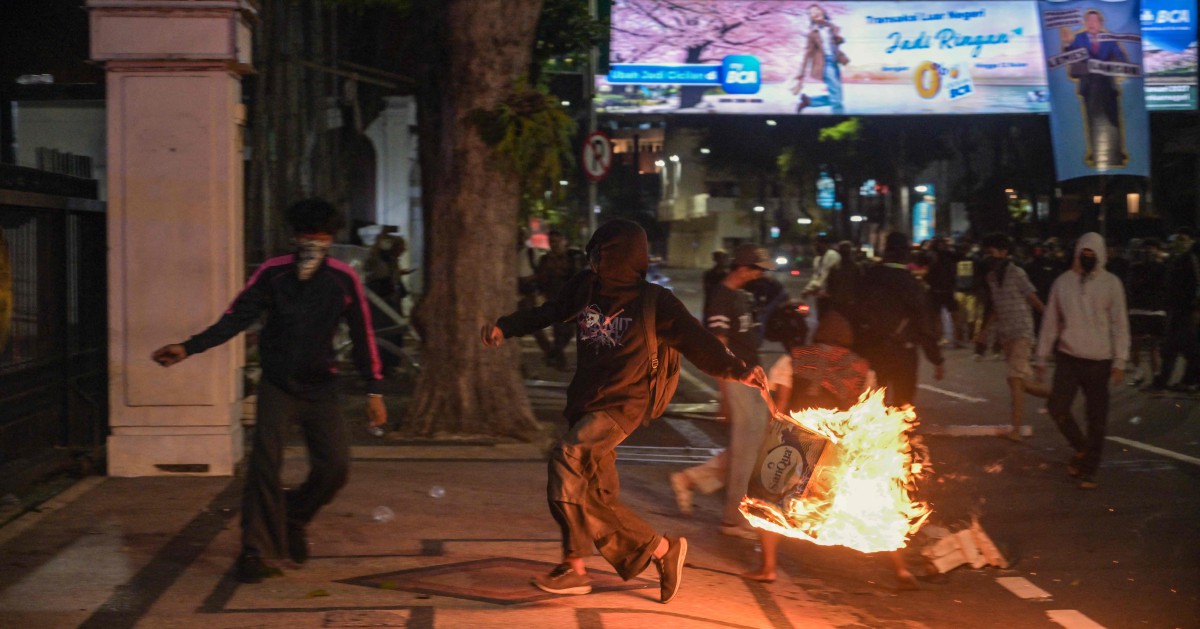
Authorities in Indonesia's second-largest city, Surabaya, have taken dozens of demonstrators into custody following a significant anti-government rally, marking an intensification of tensions over President Prabowo Subianto's governance approach. The mass arrests, reported by human rights organisations tracking the incident on Saturday, underscore mounting friction between the administration and sections of the Indonesian public dissatisfied with the new government's direction.
The demonstration represented a notable show of public discontent in Surabaya, a sprawling urban centre in East Java that has historically served as a political barometer for the broader region. As Indonesia's second-largest metropolitan area and a major economic hub, the city's civic activism carries symbolic weight beyond its immediate locality. The scale of the protest and the subsequent police response signal deepening polarisation over how the Prabowo administration is implementing its policy agenda during its initial months in office.
Details surrounding the detention of protesters remain fluid, with human rights groups continuing to document the circumstances of individual cases. The precise charge categories and detention procedures applied to those arrested will likely become a focal point for scrutiny by domestic and international observers monitoring Indonesia's democratic health. Such actions inevitably invite comparisons to Indonesia's chequered history of managing political dissent and raise questions about the boundaries officials are setting for public expression.
President Prabowo Subianto's transition to power represented a significant political realignment in Southeast Asia's largest democracy. His administration has pursued policies spanning economic reform, infrastructure development, and defence modernisation. However, these initiatives have generated substantive debate among Indonesians concerned about their social impacts, economic accessibility, and implications for employment and welfare provision. The Surabaya gathering evidently reflected such apprehensions.
For Malaysian observers and regional policymakers, Indonesian developments merit close attention. As ASEAN's anchor economy and a nation of 270 million people, Indonesia's internal stability and political trajectory influence the entire region's trajectory. Democratic backsliding in Jakarta could reshape regional power dynamics and create spillover effects across shared borders and maritime spaces. Malaysia's own experiences with managing protest and balancing security with freedoms provide a relevant comparative context.
Human rights groups operating across Indonesia have intensified monitoring since the new administration took office. These organisations play a crucial accountability function in a nation where judicial independence and transparency vary significantly across jurisdictions. Their documentation of arrest procedures, detention conditions, and legal processing becomes particularly important when authorities move swiftly against large gatherings. International humanitarian standards for lawful assembly and proportionate policing will inevitably apply to any subsequent international review.
The Surabaya incident also reflects broader tensions within Indonesian society regarding the pace and nature of policy implementation under the new leadership. Stakeholder groups including labour unions, civil society organisations, student bodies, and community associations have distinct perspectives on government direction. When simultaneous grievances coalesce around a single protest event, the resulting demonstrations can appear more formidable to authorities than isolated complaints, potentially triggering more forceful security responses.
Police justifications for detention typically reference public order concerns, traffic disruption, or alleged illegal conduct by protesters. These rationales require independent verification to determine whether detentions adhered to constitutional protections and international norms regarding freedom of assembly. The difference between legitimate security management and over-reach often hinges on whether force and detention were proportionate, targeted, and subject to judicial oversight.
The political implications extend beyond immediate public order management. Mass detentions of protesters can either suppress dissent temporarily whilst fostering deeper grievances, or signal to government critics that their concerns will be dismissed through force rather than dialogue. How President Prabowo's administration handles the legal cases resulting from the Surabaya arrests will communicate volumes about its receptiveness to legitimate criticism and commitment to constitutional governance.
Regional diplomatic circles will monitor these developments carefully. ASEAN's stated commitment to democracy and human rights, whilst often rhetorically qualified, creates expectations that member states will maintain basic standards of pluralism and civil liberties. Indonesia's handling of political dissent influences how other governments approach similar situations and shapes the regional conversation about governance standards.
For Indonesian civil society and opposition groups, the Surabaya response underscores the importance of coordination, legal preparation, and documentation strategies. Understanding how authorities define protest boundaries and what tactics trigger police intervention becomes essential for future activism. International solidarity networks and legal support mechanisms that assist detained protesters will likely activate as cases progress through Indonesian courts.
The coming weeks will reveal whether these detentions represent isolated incidents or part of a broader pattern that would signify fundamental changes in Indonesia's approach to managing political dissent. Such signals carry implications far beyond Surabaya's boundaries, affecting how investors, civil society organisations, and neighbouring governments assess the stability and openness of Indonesia's political environment under its new administration.

