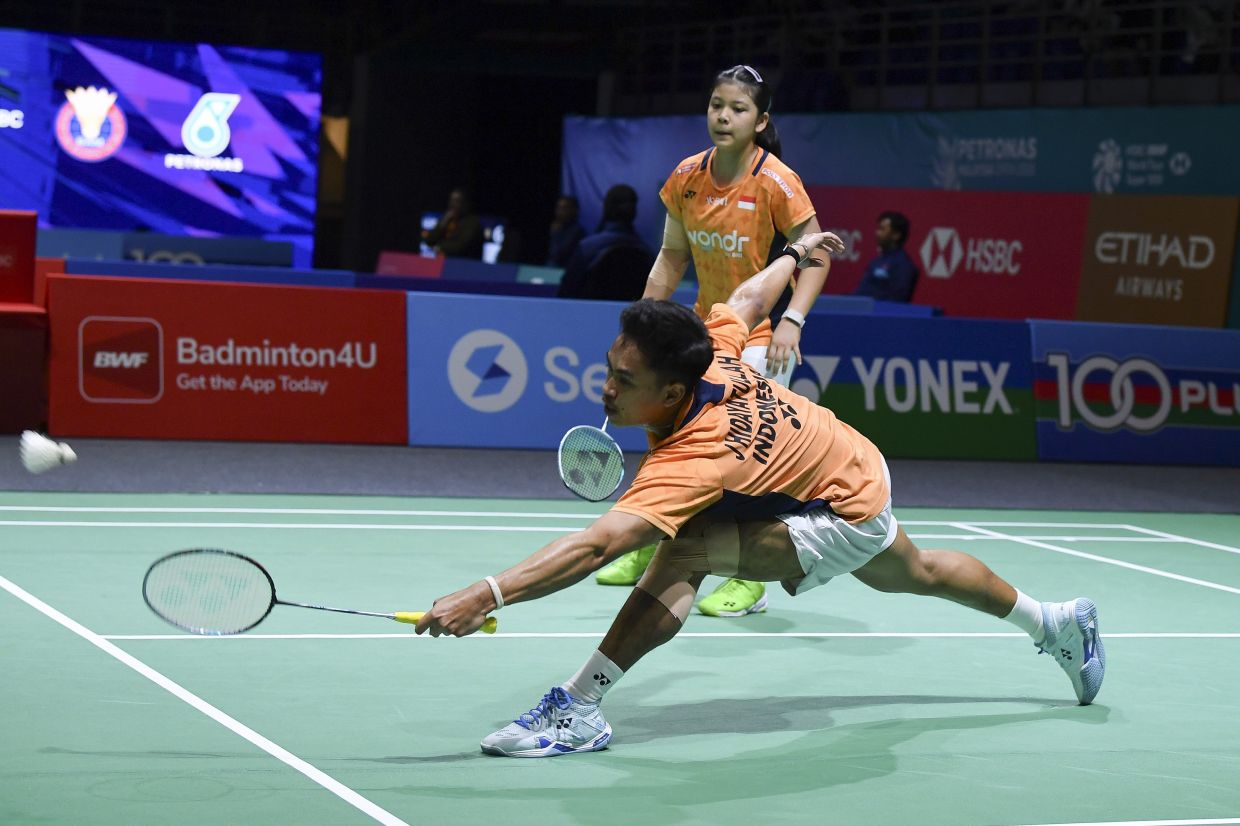
The badminton world faces fresh integrity concerns as Indonesia withdraws two mixed doubles pairs from international competition, casting a shadow over one of Southeast Asia's most accomplished sporting nations. The withdrawal of Jafar Hidayatullah-Felisha Pasaribu, ranked 13th globally in their discipline, alongside Adnan Maulana-Indah Cahya Sari Jamil from the World Championships has sparked widespread speculation about the underlying reasons, though officials have remained circumspect about the precise circumstances.
The Indonesian Badminton Association (PBSI) framed the decision as a routine squad adjustment, with secretary-general Ricky Soebagdja issuing a statement emphasizing administrative compliance and proper procedures. However, the timing of the withdrawals—Adnan-Indah's departure on July 13 followed by Jafar-Felisha's on July 29—combined with simultaneous revelations of an ongoing investigation, has created an unmistakable connection that few observers have overlooked. The vague language surrounding the moves suggests institutional sensitivity around the matter, reflecting the reputational damage such allegations inflict on national sporting bodies.
Underlying these tactical squad changes is a more serious development that has captured the attention of international sports governance authorities. The Badminton World Federation (BWF) is currently pursuing independent judicial proceedings into alleged integrity breaches—a euphemism widely understood in sporting circles to encompass match-fixing, spot-fixing, and related forms of manipulation. The investigation involves several Indonesian players, though the federation has not publicly identified all those under scrutiny. This institutional restraint is deliberate, protecting the due process rights of athletes during preliminary stages while avoiding prejudicial publicity that could compromise the eventual hearing.
The PBSI's public position carefully balances competing institutional pressures. The association stated it respects and fully supports the BWF's investigative mechanisms while maintaining the independence of proceedings. This language serves multiple functions: it demonstrates cooperation with international sports authorities, preserves the association's credibility with world governing bodies, and provides cover for the withdrawals without explicitly acknowledging misconduct. By framing the decision as procedural rather than disciplinary, the PBSI maintains operational flexibility should the investigation ultimately clear any of the withdrawn players.
For Malaysian and broader Southeast Asian sports observers, these developments carry particular significance. The region has faced repeated match-fixing scandals across multiple sports, with badminton being particularly vulnerable given the individual-dependent nature of matches and the substantial betting markets surrounding major tournaments. Indonesia's prominence in badminton—historically one of Asia's dominant forces—means that integrity lapses carry outsized reputational consequences. When elite Indonesian pairs face suspicion, it reverberates through regional rankings, tournament credibility, and public confidence in competition fairness across Southeast Asia.
The implications for international badminton are equally consequential. The BWF's willingness to conduct independent proceedings and hold even top-ranked nations accountable demonstrates the federation's commitment to competitive integrity, a principle that has become increasingly central to sport governance globally. The fact that Indonesia, a traditional powerhouse with substantial badminton infrastructure and talent development systems, faces these scrutinies underscores that no nation is exempt from integrity challenges. This message carries weight for other Asian federations managing their own governance frameworks.
From a competitive standpoint, Indonesia will maintain its World Championships presence through alternative mixed doubles pairings. Amri Syahnawi-Nita Violina Marwah will lead Indonesia's effort in the mixed doubles category, while Rehan Kusharjanto-Gloria Widjaja have been elevated from reserve status to fill the second spot. This continuity ensures Indonesia remains represented at the tournament while allowing the association flexibility in managing its squad during an unsettled period. The promotion of reserves demonstrates how national federations must adapt when established partnerships suddenly become unavailable.
The investigation timeline remains unclear, with the PBSI explicitly requesting that all parties refrain from speculation until the BWF Independent Hearing Panel issues formal determinations. This moratorium on public commentary, while professionally appropriate, inevitably fuels uncertainty. In contemporary sports culture, the absence of information often generates more speculation than transparent communication might, particularly when athletes' careers and reputations hang in the balance. The extended investigation period, during which players remain in limbo, creates operational challenges for national federations planning squad rotations and competition preparation.
The broader context of badminton integrity cannot be divorced from global developments in sports governance. Match-fixing has affected multiple sports across Asia, with some investigations revealing sophisticated betting syndicates exploiting competitive formats and regulatory gaps. Badminton's particular vulnerability stems from its individual-dependent structure, where small tactical adjustments or performance fluctuations in specific sets can dramatically alter betting outcomes. The sport's substantial following in Southeast Asia, combined with established gambling markets, creates financial incentives that occasionally overwhelm institutional safeguards.
For athletes facing investigation, the process itself presents profound challenges regardless of eventual outcomes. Withdrawal from major international tournaments disrupts career trajectories, competitive ranking accumulation, and psychological momentum. Even cleared athletes often face persistent doubts within the sporting community, a burden that institutional determinations cannot entirely erase. This reality underscores why integrity maintenance remains paramount—the costs of even unproven allegations extend far beyond individual careers to damage entire sports ecosystems.
Moving forward, the BWF's handling of this investigation will signal the federation's seriousness in enforcing integrity standards. Transparent proceedings that respect due process while maintaining swift resolution provide confidence that competition fairness receives priority. For Indonesian badminton, the investigation represents both a challenge and an opportunity to demonstrate institutional commitment to clean sport. How the PBSI navigates the next phases—whether embracing full transparency once determinations emerge or attempting to minimize reputational damage—will influence regional perspectives on integrity governance.
The withdrawal of these established pairs creates both gaps and opportunities within Indonesian badminton's competitive structure. Lower-ranked combinations receive international exposure, younger players gain developmental opportunities, and the federation gains time to address integrity concerns systematically. Yet the underlying investigation casts uncertainty across Indonesian badminton's global standing until the BWF reaches formal conclusions. Regional competitors, meanwhile, monitor developments closely, recognizing that integrity challenges in one nation's federation inevitably affect confidence across the broader Asian badminton community that Southeast Asian readers depend upon for fair competition.

