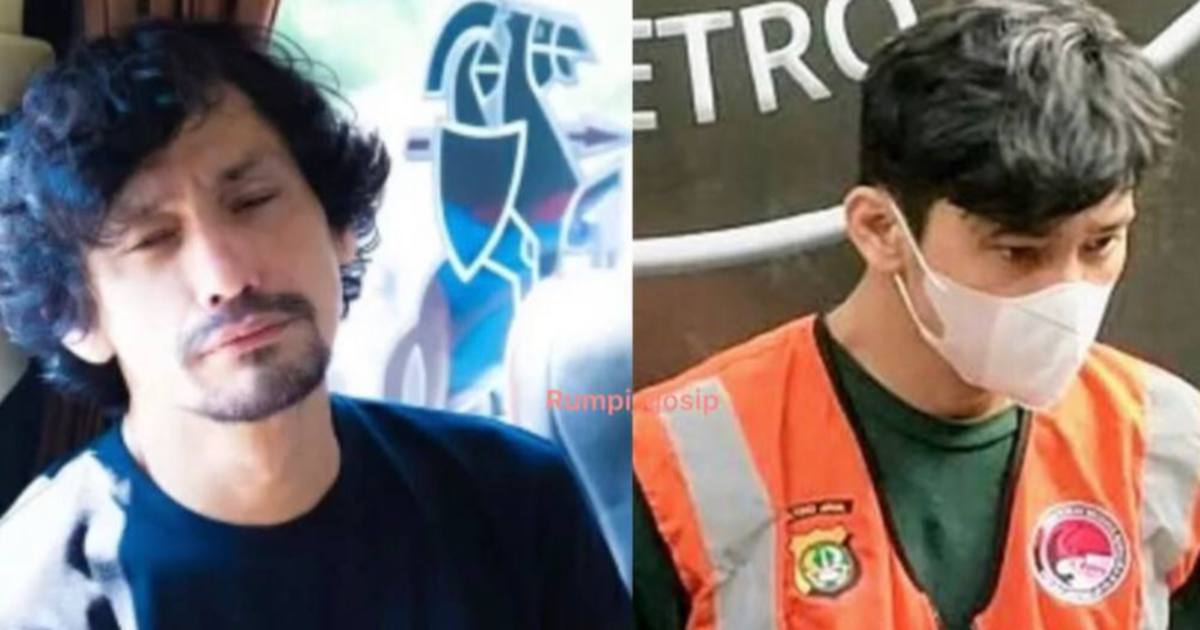
Indonesian actor Revaldo Fifaldi has been taken into custody once again after police conducted a raid on an apartment in South Jakarta, marking his fourth arrest related to drug possession and abuse. The detention, which took place following the apartment search, underscores a troubling pattern of repeated run-ins with the law that has overshadowed the career of the entertainment industry figure.
The nature of such recurring arrests raises serious questions about rehabilitation and intervention mechanisms for individuals caught in cycles of substance abuse. Revaldo's repeated detentions despite previous legal consequences suggest a persistent struggle with addiction that continues to evade resolution through conventional law enforcement channels. In Indonesia, where drug offences carry severe penalties including lengthy prison sentences, the recurrence of his arrests indicates that previous arrests and likely rehabilitation attempts have proven ineffective.
The South Jakarta location of the raid places the incident in one of Indonesia's most densely monitored police jurisdictions. The capital's police force has intensified drug enforcement operations in recent years, particularly targeting entertainment industry figures whose public profiles can amplify awareness about narcotics. Such high-profile arrests serve a dual purpose within law enforcement strategy: they demonstrate commitment to drug enforcement whilst simultaneously sending cautionary messages to other public figures about the consequences of substance abuse.
Revaldo's case reflects broader challenges within Indonesia's entertainment sector regarding substance abuse and its management. Unlike some Western countries where celebrities have received public support during rehabilitation, Indonesian cultural and legal frameworks traditionally maintain stricter stances on drug offences. This creates a particularly unforgiving environment for entertainment personalities struggling with addiction, where each arrest risks further damaging career prospects and social standing.
The actor's repeated arrests raise implications for the Indonesian criminal justice system's approach to rehabilitation versus punishment. While incarceration remains the primary response to drug offences, evidence from his case suggests that punitive measures alone have not deterred reoffence. The pattern invites examination of whether alternative interventions, such as mandatory treatment programmes integrated within the judicial process, might prove more effective in breaking cycles of addiction and recidivism.
From a regional perspective, Indonesia's drug enforcement efforts remain among the harshest in Southeast Asia. The country's legislation reflects zero-tolerance policies that have resulted in some of the world's longest sentences for drug possession. High-profile cases like Revaldo's receive significant media attention across the region, potentially influencing neighbouring countries' approaches to similar issues whilst also serving as cautionary tales for regional entertainment industries.
The entertainment industry itself faces questions regarding how it should respond to repeated offences by industry members. Unlike sporting organisations or professional bodies in other sectors, entertainment industries across Southeast Asia have limited formal mechanisms for managing members with substance abuse issues. The absence of structured support systems may inadvertently enable recurrence by failing to provide professional intervention before criminal charges materialise.
Revaldo's case also highlights the vulnerability of entertainment personalities to media scrutiny and public judgment. Each arrest generates headlines and social media commentary that can complicate rehabilitation efforts by intensifying public shame and potentially limiting future employment opportunities. This creates paradoxical circumstances where the legal system's role in deterrence through public exposure may simultaneously undermine personal recovery by eliminating practical incentives for rehabilitation.
The South Jakarta raid connects to broader law enforcement campaigns against narcotics that have intensified throughout major Indonesian cities. Police agencies periodically announce coordinated operations targeting drug distribution networks and users, with celebrity cases receiving prominent coverage to demonstrate enforcement effectiveness. These operations reflect growing public concern about drug availability in major urban centres, particularly in entertainment districts where nightlife and substance use frequently intersect.
For Malaysian audiences, Revaldo's situation serves as a relevant cautionary case given similarities between Malaysian and Indonesian entertainment industries. Both regions share cultural factors that influence attitudes toward substance abuse and criminal justice responses. The case underscores challenges that extend beyond individual circumstances to encompass systemic issues around addiction treatment, rehabilitation effectiveness, and the entertainment industry's role in supporting vulnerable members.
The actor's repeated detentions ultimately reflect a complex intersection of personal addiction issues, legal enforcement responses, and industry dynamics. While authorities have fulfilled their enforcement mandate through repeated arrests, the fundamental question of whether such measures address underlying substance abuse disorders remains unresolved. As Revaldo faces potential prosecution and sentencing following this latest arrest, his case will likely continue generating discussion about more effective approaches to managing drug-related offences within entertainment sectors across Southeast Asia.

