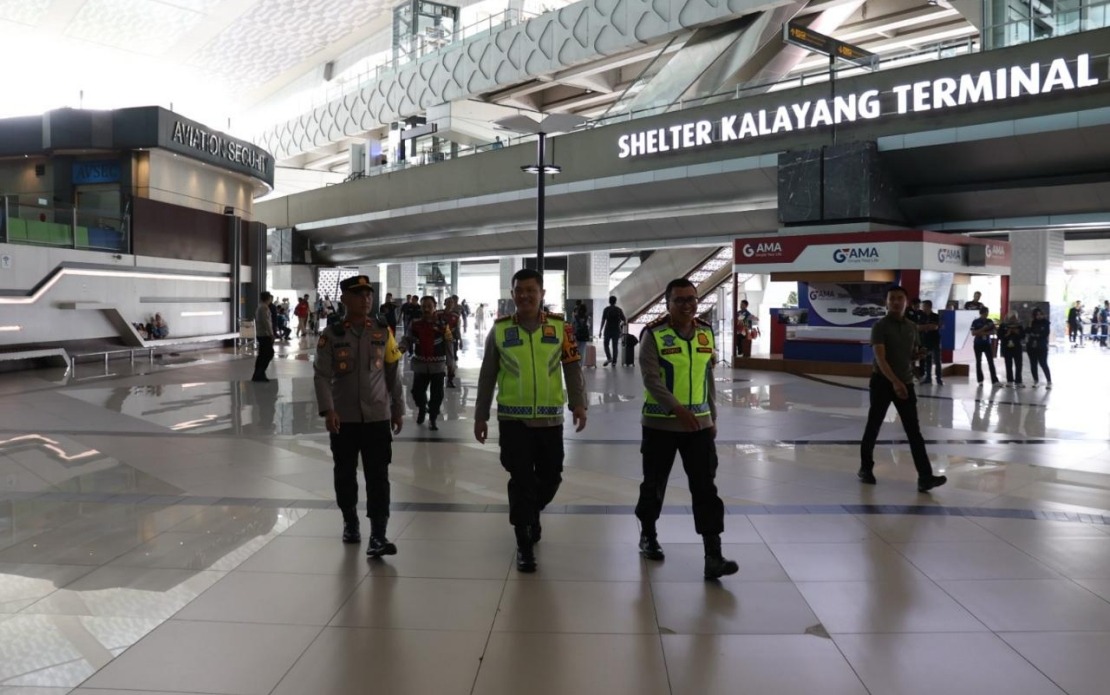
Indonesia's customs authorities have moved to strengthen security measures at Soekarno-Hatta International Airport following the arrest of a Malaysian pilot accused of attempting to smuggle a substantial quantity of ecstasy into the country. The decision represents a significant tightening of procedures at one of Southeast Asia's busiest aviation hubs and reflects growing concerns about the vulnerability of crew access systems to drug trafficking operations.
The suspected pilot, aged 39, was apprehended on July 29 after allegedly attempting to bring approximately 25 kilogrammes of the illicit substance through the airport. According to Indonesian authorities, the narcotics had an estimated street value of around Rp60 billion, equivalent to approximately RM13.51 million. The scale of the suspected smuggling operation has raised alarm bells among regional law enforcement agencies and aviation security experts concerned about the exploitation of crew privileges.
Hengky Tomuan Parlindungan Aritonang, who heads the Soekarno-Hatta Main Customs and Excise Office, unveiled the enhanced screening framework on Saturday. While the airport maintains a dedicated crew lane—a standard feature at major international terminals designed to expedite processing of flight personnel—this facility will now be accompanied by unpredictable and more rigorous inspections. Both pilots and cabin crew members from international and domestic carriers will face increased scrutiny, marking a notable shift in how the airport balances operational efficiency with security imperatives.
The revised procedures represent a pragmatic response to the incident, focusing on baggage examination rather than introducing invasive drug testing protocols for crew members. This approach attempts to maintain professionalism and relationships with airlines while substantially elevating detection capabilities. The distinction matters considerably within aviation circles, where crew cooperation remains essential for smooth airport operations, and blanket testing could generate significant resistance from industry stakeholders.
Investigators uncovered troubling details about the suspect's background and methods. Preliminary findings indicate the individual had previously engaged in narcotics smuggling operations targeting Indonesia, suggesting an established pattern of criminal behaviour rather than an isolated incident. This history raises uncomfortable questions about the adequacy of pre-employment screening and ongoing monitoring systems for international aviation personnel operating across Southeast Asian airports.
Toxicological testing revealed that the suspect tested positive for multiple substances, including MDMA—the primary active ingredient in ecstasy—as well as methamphetamine and cocaine. This finding raises additional concerns about the individual's fitness to operate aircraft and passenger safety, issues that extend beyond customs enforcement into civil aviation regulation domains. The presence of multiple drug metabolites suggests either ongoing substance abuse or recent consumption, both scenarios incompatible with aviation responsibilities.
The suspect exploited a significant vulnerability in the crew baggage handling process by concealing drugs beneath clothing within luggage bearing official crew identification tags. This method highlights how operational convenience—the streamlined processing of crew belongings—can be weaponised by determined smugglers familiar with standard procedures. The technique required knowledge of airport operations and crew protocols, suggesting either insider assistance or prior reconnaissance by the trafficking organisation.
Financial investigations have established that the suspect was offered RM50,000, approximately Rp220 million, as compensation for successfully delivering the shipment. This relatively modest payment for such a high-value cargo suggests either the suspect's desperation or the syndicate's confidence in execution. Authorities continue investigating upstream elements of the operation, particularly identifying the alleged mastermind orchestrating the smuggling network and determining whether additional crew members or airport staff may have been compromised.
The incident carries significant implications for regional aviation security and international drug control cooperation. Malaysia and Indonesia maintain extensive aviation links, with hundreds of flights traversing their shared airspace daily. A compromised Malaysian pilot operating on this route network creates potential vulnerabilities for Indonesian authorities, but also highlights risks facing Malaysian aviation authorities. The case demonstrates how transnational criminal organisations methodically identify and exploit systemic weaknesses in border security infrastructure.
From a Southeast Asian perspective, this episode illustrates the ongoing cat-and-mouse dynamic between law enforcement and trafficking syndicates adapting to security measures. As traditional border crossings face enhanced scrutiny, criminal networks increasingly target aviation crews and airport infrastructure as alternative smuggling conduits. The region's expanding middle-class drug consumption, particularly of synthetic narcotics like MDMA, continues fuelling demand for smuggling operations willing to assume substantial risks.
The security review at Soekarno-Hatta reflects broader regional trends toward more comprehensive vetting of aviation personnel. While crew lanes and expedited processing remain operationally necessary, the incident validates arguments for intelligence-led profiling and random inspection protocols. Indonesian authorities must now balance efficiency demands from airlines—who expect rapid crew turnarounds—against public safety and drug control objectives.
Regional aviation authorities and customs services will likely monitor how Indonesia's enhanced measures evolve and whether other major Southeast Asian hubs implement comparable protocols. Intelligence sharing between Malaysian and Indonesian authorities becomes particularly important given the suspect's nationality and potential links to organised crime networks operating across both countries. The case also underscores the need for harmonised security standards across the region to prevent criminals from exploiting inconsistent procedures at different airports.

