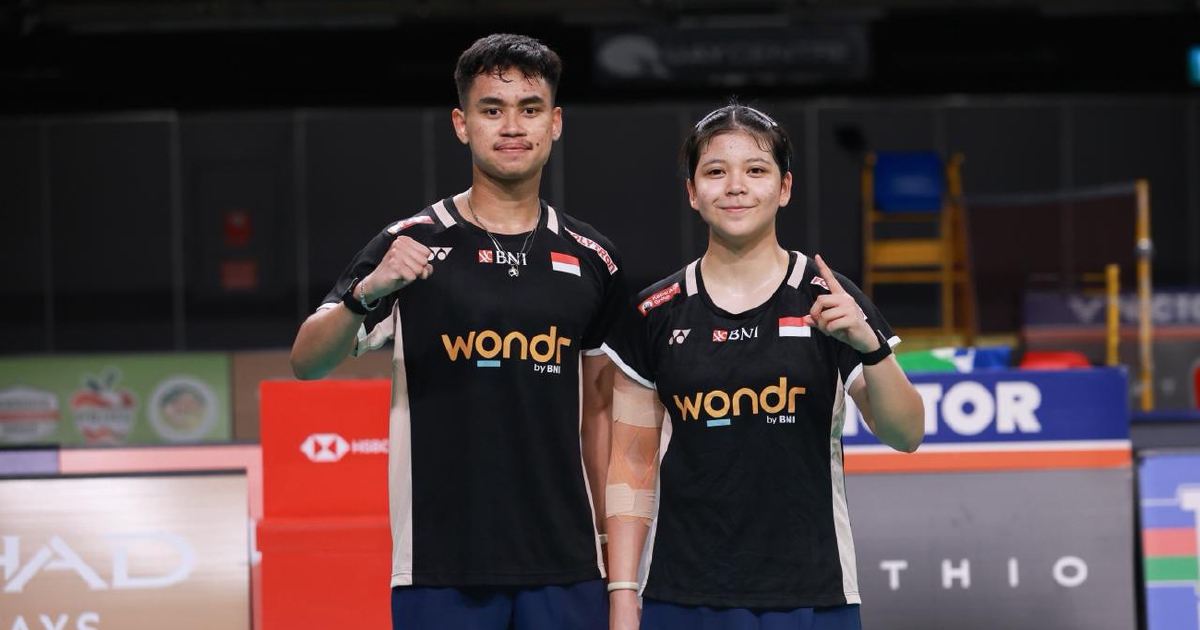
The Indonesia Badminton Association (PBSI) has made the difficult decision to pull two mixed doubles pairings from the World Championships scheduled for August 17–23 in New Delhi, acting in response to an ongoing match-fixing investigation being conducted by the Badminton World Federation (BWF). This withdrawal represents a significant moment for Indonesian badminton, a sport in which the nation has traditionally excelled and maintained a strong competitive presence on the world stage.
The move underscores the gravity with which both the PBSI and the international badminton governing body are treating allegations of competitive integrity violations. Match-fixing in professional sports has become an increasingly serious concern for international sports organisations, with the BWF implementing stricter oversight mechanisms in recent years to protect the credibility of tournaments and maintain public confidence in the sport. The investigation suggests that concerns may extend beyond isolated incidents, prompting the association to take preemptive action.
For Malaysian badminton enthusiasts and professionals, this development carries particular relevance. Malaysia has long been a major rival and neighbour to Indonesia in the badminton arena, with both nations competing fiercely for regional and international honours. The withdrawal of Indonesian competitors, while potentially affecting the competitive balance of the tournament, also raises broader questions about the integrity safeguards in place across Southeast Asian badminton programmes. Regional federations are likely watching closely to understand what specific conduct triggered the investigation and what preventative measures they themselves should implement.
The World Championships in New Delhi represent one of badminton's premier events, attracting elite players from across the globe and offering significant ranking points and prestige. For the Indonesian pairs involved, the inability to compete at this level represents a considerable setback to their competitive calendars and career trajectories. The timing is particularly sensitive, coming during a period when players are typically preparing for major tournaments that shape their standing in world rankings and qualification pathways for other significant competitions.
The PBSI's decision to voluntarily withdraw the players demonstrates a commitment to cooperating with the BWF's investigative process and suggests an institutional willingness to prioritise sporting integrity over short-term competitive advantage. However, the association faces a delicate balancing act between supporting players facing allegations and demonstrating to the international community that Indonesian badminton maintains the highest ethical standards. The specific nature of the match-fixing allegations—whether involving intentional losses, point-shaving, or other manipulative practices—has not been publicly detailed, leaving room for speculation about the severity of the conduct under examination.
Such investigations typically take months or even years to conclude, particularly when they involve gathering evidence across multiple tournaments and jurisdictions. During this period, the affected players remain in a state of uncertainty regarding their sporting futures. Past cases in professional tennis, cricket, and other sports have demonstrated that match-fixing allegations can result in lengthy bans, substantial fines, and permanent damage to players' reputations, even if ultimately they are exonerated. The psychological toll on athletes and their families during such investigations can be considerable.
From a competitive standpoint, the absence of these Indonesian pairings could open opportunities for other nations to gain prominence in mixed doubles competition. Teams from China, Japan, Thailand, and other badminton nations will face different competitive dynamics than they would have encountered had the full Indonesian contingent participated. This redistribution of competitive advantage may reshape tournament outcomes and affect qualification prospects for subsequent international events.
The BWF has been increasingly vigilant in recent years regarding match-fixing and other integrity violations, having prosecuted cases involving players from multiple nations. The federation's commitment to thorough investigation, regardless of a player's reputation or national prominence, sends a clear message that no competitor is above scrutiny. This approach, while sometimes controversial in individual cases, has helped elevate confidence in professional badminton as a sport governed by transparent ethical standards.
Indonesia's badminton programme has produced numerous world champions and Olympic medalists, and the nation's reputation in the sport remains strong despite this particular episode. However, the incident highlights an uncomfortable reality that match-fixing and competition manipulation can infiltrate even well-established and traditionally respected sporting programmes. The challenge for the PBSI will be to use this situation as a catalyst for strengthening its internal governance structures, athlete education programmes, and reporting mechanisms to prevent similar issues from arising in future.
For regional badminton communities, including Malaysia's own federations and player development programmes, the Indonesian case serves as an instructive reminder of the need for continuous vigilance and robust ethical frameworks. Maintaining the integrity of badminton across Southeast Asia requires commitment not only from individual players and associations but also from coaches, tournament organisers, and fans who must remain alert to suspicious patterns of play or inappropriate approaches to athletes.
The outcome of the BWF investigation will likely be closely monitored across the region, with the findings potentially influencing how other Southeast Asian nations structure their own integrity protocols. Whether the investigation uncovers widespread systemic problems or identifies isolated incidents will significantly shape the narrative around Indonesian badminton for years to come. In the meantime, the World Championships will proceed without these two Indonesian pairs, a conspicuous absence that will serve as a visible reminder of the sport's ongoing efforts to cleanse itself of integrity violations.

