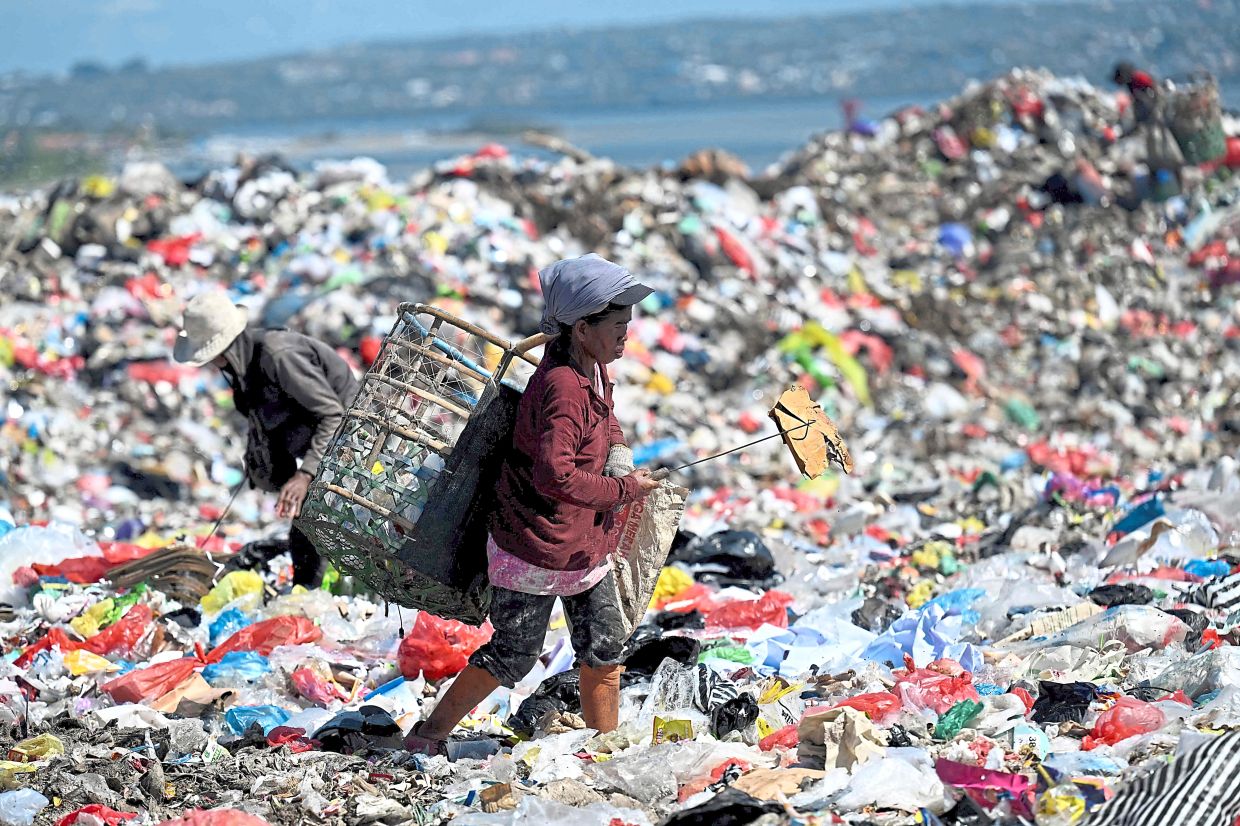
Indonesia has officially commenced construction of its maiden waste-to-energy facility in Bali, a significant step in President Prabowo Subianto's strategy to tackle the nation's escalating waste management crisis. The groundbreaking ceremony took place on Wednesday, July 8, in Pedungan Village within South Denpasar, signalling the beginning of a broader national initiative to harness municipal waste as a renewable energy source. The project represents a departure from Indonesia's historical dependence on traditional landfills, which have become increasingly overwhelmed by the country's burgeoning waste output.
The facility is being developed through a partnership between Danantara Investment Management and Daya Energi Bersih Nusantara, with Rosan Roeslani, chief executive officer of Danantara Indonesia, overseeing the initiative. Speaking at the inauguration, Roeslani emphasised that the government views waste management as a collective responsibility requiring urgent action to prevent environmental degradation that could affect future generations. This framing reflects the administration's recognition that Indonesia's waste problem has reached critical levels and demands comprehensive solutions rather than incremental fixes. The project's positioning as a national priority underscores the mounting pressure Indonesia faces to modernise its municipal infrastructure.
The Bali plant will employ moving grate incinerator technology, a proven method deployed extensively in waste-to-energy facilities across developed nations. This technology is specifically engineered to meet the stringent European Industrial Emissions Directive standards, ensuring that the facility maintains high environmental performance while generating electricity from waste materials. The choice of established technology rather than experimental approaches suggests Indonesia is prioritising reliability and environmental compliance over innovation for its flagship facility. This conservative technical selection may serve to build confidence among stakeholders and establish a replicable model for subsequent projects across the archipelago.
Environmental benefits form a cornerstone of the project's justification. According to Danantara, the facility is projected to cut emissions by up to 80 per cent per tonne of waste compared with conventional open dumping in landfills. This substantial reduction would contribute meaningfully to Indonesia's emissions trajectory, particularly given the country's status as one of Southeast Asia's largest waste generators. The comparison directly addresses a critical environmental disadvantage of landfills, which generate methane and leachate while occupying increasingly scarce land resources. By converting waste into energy, the facility simultaneously addresses waste disposal and electricity generation challenges that plague many Indonesian regions.
The economic dimension of the project extends beyond energy generation to job creation. Danantara estimates that the facility will generate up to 1,200 green jobs during both construction and operational phases, providing employment opportunities in a sector aligned with environmental sustainability. These positions would span skilled technical roles, maintenance positions, and administrative functions, potentially contributing to skills development in Bali's workforce. For a tourism-dependent economy like Bali, reducing visible waste while creating employment represents a dual benefit that addresses both environmental aesthetics and economic concerns.
Commercial viability received a crucial boost when state-owned utility PLN and the project company executed a Power Purchase Agreement during the groundbreaking ceremony. This long-term electricity purchase commitment provides the facility with revenue certainty essential for attracting investment and securing project financing. PLN's involvement signals government backing for the initiative and demonstrates coordination between the private sector and state utilities in Indonesia's energy transition strategy. Such agreements reduce investment risk and make the project more attractive to both domestic and international capital providers.
Indonesia's waste challenge is both quantitatively and qualitatively severe. The nation generates more than 140,000 tonnes of waste daily, an enormous volume driven by rapid urbanisation, population growth, and increasing consumption patterns across Southeast Asia's largest economy. This scale of daily waste generation has overwhelmed conventional disposal infrastructure, creating public health hazards and environmental contamination in many municipalities. Landfills, the traditional waste destination, are reaching capacity constraints while generating their own environmental externalities. The waste-to-energy approach directly addresses this capacity problem by treating waste as a resource input rather than merely a disposal challenge.
The Bali facility should be understood within Indonesia's broader energy context. The country remains dependent on fossil fuels while facing commitments to reduce carbon emissions and expand renewable energy capacity. Waste-to-energy bridges these objectives by generating electricity from an unavoidable waste stream using technology that treats environmental concerns seriously. The facility can contribute meaningfully to regional electricity supply while simultaneously managing a pressing waste challenge. For energy-constrained regions like parts of Bali, which experience seasonal electricity demand fluctuations driven by tourism cycles, waste-to-energy provides a relatively stable electricity source.
The project's success will likely influence Indonesia's willingness to expand waste-to-energy capacity beyond Bali. If the facility operates reliably while meeting environmental standards and generating projected revenues, other municipalities may pursue similar initiatives. Conversely, operational difficulties or environmental issues could dampen enthusiasm for the approach across the archipelago. The facility therefore functions as both a practical waste management solution for Bali and a pilot programme informing national policy direction.
For Southeast Asian neighbours, Indonesia's initiative offers both lessons and competitive considerations. Malaysia, Thailand, and the Philippines face comparable waste management pressures, making Indonesia's experience instructive for regional policymakers. Successful deployment of waste-to-energy technology in Indonesia could accelerate adoption across Southeast Asia, transforming waste from a purely environmental burden into an energy resource. This transformation would represent a fundamental shift in how the region approaches municipal waste, aligning waste management with climate and energy objectives simultaneously.
The investment in waste-to-energy reflects broader recognition across Asia that circular economy approaches and waste valorisation are increasingly essential for sustainable development. Indonesia's inaugural facility demonstrates that even developing economies can implement sophisticated waste management infrastructure when political will and international financing align. The project positioning suggests that waste-to-energy may become a standard component of Indonesian municipal services, particularly as urbanisation intensifies and waste volumes continue climbing in coming decades.

