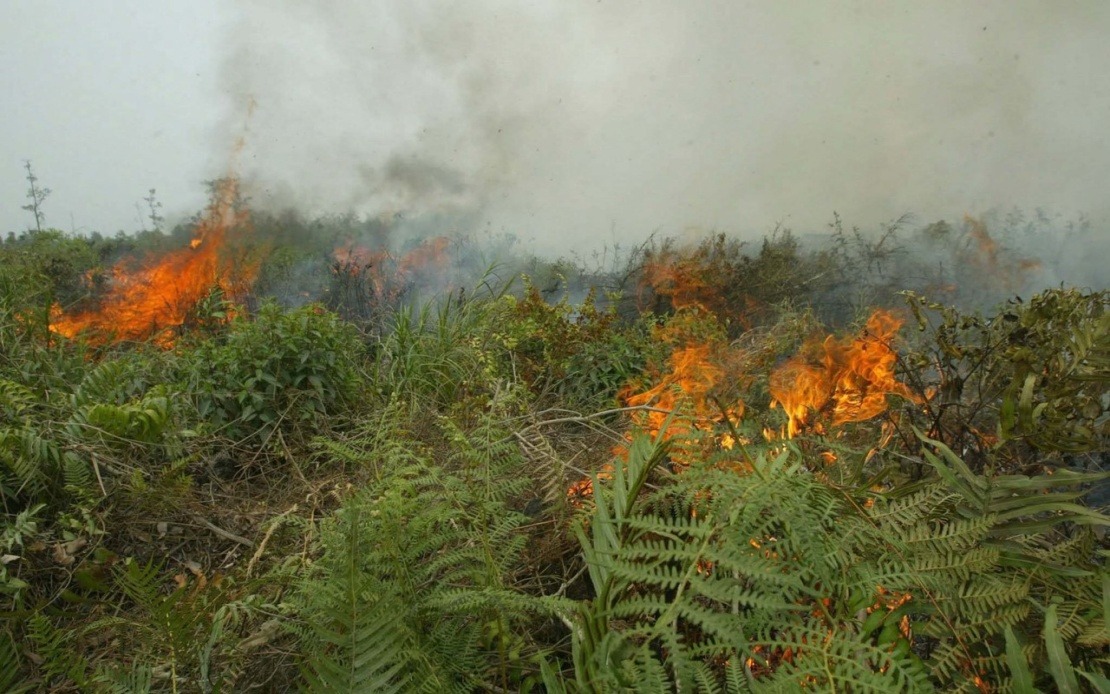
Indonesia is confronting an intensifying forest fire crisis across its eastern territories, with particularly alarming developments in West Kalimantan where satellite-detected hotspots nearly doubled within a single day to reach 7,377 by late August. The rapid deterioration in fire activity signals a critical phase in the annual fire season that threatens not only Indonesia's environmental stability but also the health and air quality across a substantial portion of Southeast Asia.
According to officials from Indonesia's National Disaster Mitigation Agency, the jump in West Kalimantan represented an increase of 3,553 hotspots, accompanied by a corresponding rise in active fire spots from 16 to 104. Visibility in affected zones dropped sharply to below one kilometre, creating hazardous conditions for transportation and outdoor activities. The agency's data collection systems, which rely on satellite monitoring and ground verification, have become essential tools for tracking the spatial progression of fires across Indonesia's vast peatland and forest regions.
While West Kalimantan experienced the most dramatic surge, the fire situation across the broader Kalimantan region remains precarious. Central Kalimantan, though showing a modest decline in overall hotspots to 5,244, recorded an uptick in confirmed fire spots, suggesting that fires are becoming more concentrated and intense even where their total count decreased. South Kalimantan similarly demonstrated this pattern, with hotspot numbers declining to 504 yet active fire counts climbing to 55, indicating that remaining fires are burning with greater vigour.
Sumatra is also experiencing significant fire activity, though with more mixed patterns. South Sumatra reported a sharp increase with 209 additional hotspots bringing the total to 1,013, while Riau and Jambi provinces showed declining trends. This geographic variation reflects the complex interplay of seasonal weather patterns, land management practices, and agricultural cycles across Indonesia's diverse fire-prone regions. For Malaysian readers, these developments carry direct implications, as transboundary haze from Indonesian fires has historically affected air quality in neighbouring countries, particularly during peak fire seasons.
The human toll of this environmental crisis is becoming increasingly apparent. Nearly 5.5 million people across Sumatra and Kalimantan face direct exposure to hazardous air conditions and smoke-related health risks. Official records show approximately 13,500 cases of acute respiratory infections, medically classified as ISPA, were documented cumulatively across July and August, with over 4,000 individuals still requiring treatment by late August. This year's health burden appears substantially heavier than the previous year, placing significant strain on regional healthcare infrastructure already managing competing demands.
Responsibility for fire incidents is being sharply defined by Indonesia's regulatory framework. The Environment Ministry has identified 42 companies operating within concession areas where fires have been detected, signalling a shift toward corporate accountability regardless of whether fires were intentionally set or resulted from negligence. Nineteen of these companies are currently undergoing field verification, with the remainder scheduled for inspection in subsequent phases. The enforcement agency emphasises that strict liability principles apply within concession zones, meaning companies cannot escape accountability even if fires originate from external sources. Both administrative and civil sanctions represent potential consequences for non-compliance.
Enforcement officials have outlined a sophisticated methodology for identifying responsible entities, involving the overlay of satellite hotspot data with official concession mapping. This technological approach reduces ambiguity about which parties hold jurisdiction over particular fire-affected areas and strengthens the evidentiary basis for legal action. For companies operating in Indonesia, this represents a substantial financial and reputational risk, potentially prompting more rigorous internal fire prevention protocols and increased investment in monitoring systems.
Community-based fire prevention remains central to Indonesia's strategy for reducing fire incidents. Forty-five Fire Care Community groups, encompassing over 1,400 personnel, have been deployed across six particularly vulnerable provinces spanning Sumatra and Kalimantan, with plans to establish 35 additional groups before year's end. These locally-embedded teams provide crucial early warning capacity and rapid-response capabilities that centralised government agencies cannot achieve alone. The emphasis on community engagement reflects recognition that sustainable fire management requires distributed networks of trained responders rather than reliance on distant bureaucratic structures.
Corporate preparedness requirements represent another significant element of Indonesia's preventive framework. Last year, the government issued notices to 2,226 companies demanding demonstration of fire response readiness, including personnel training, equipment stockpiles, and operational protocols. Approximately 80 per cent have subsequently reported compliance, though nearly one-fifth remain unresponsive, creating potential enforcement gaps. This mixed compliance rate suggests that regulatory mechanisms, whilst increasingly stringent, still face implementation challenges across Indonesia's vast industrial landscape.
Regional diplomatic efforts recognise that fire and haze problems transcend national boundaries. Indonesia has engaged with neighbouring countries through ASEAN mechanisms following a high-level meeting in Bali attended by environmental ministers from Indonesia, Malaysia, and Singapore. These coordinated approaches reflect the cross-border nature of transboundary haze, which affects multiple nations regardless of fire origins. For Southeast Asian nations including Malaysia, collaborative frameworks offer potential pathways for influencing Indonesia's domestic fire management policies whilst supporting capacity-building in fire prevention and response technologies.
The current fire season underscores persistent vulnerabilities in Indonesia's fire governance architecture. Despite legislative frameworks, corporate accountability mechanisms, and community mobilisation efforts, hotspots continue expanding rapidly, suggesting that underlying drivers—including peatland drainage, agricultural expansion, and seasonal weather variability—remain inadequately addressed. Observers note that comprehensive solutions require interventions operating at multiple levels simultaneously: international cooperation on transboundary issues, national policy coherence across competing land-use priorities, provincial-level implementation capacity, and community engagement in fire prevention practices.
Looking forward, the trajectory of this fire season will substantially influence regional air quality, public health outcomes, and the strategic credibility of Indonesia's fire management commitments to ASEAN partners. Malaysian policymakers and businesses monitoring developments should anticipate potential air quality impacts and consider contingency arrangements accordingly. The coming weeks will prove critical in determining whether current containment efforts can reverse the accelerating hotspot trend or whether conditions will further deteriorate before seasonal weather patterns shift.

